Inner CV Joint Boot Replacement
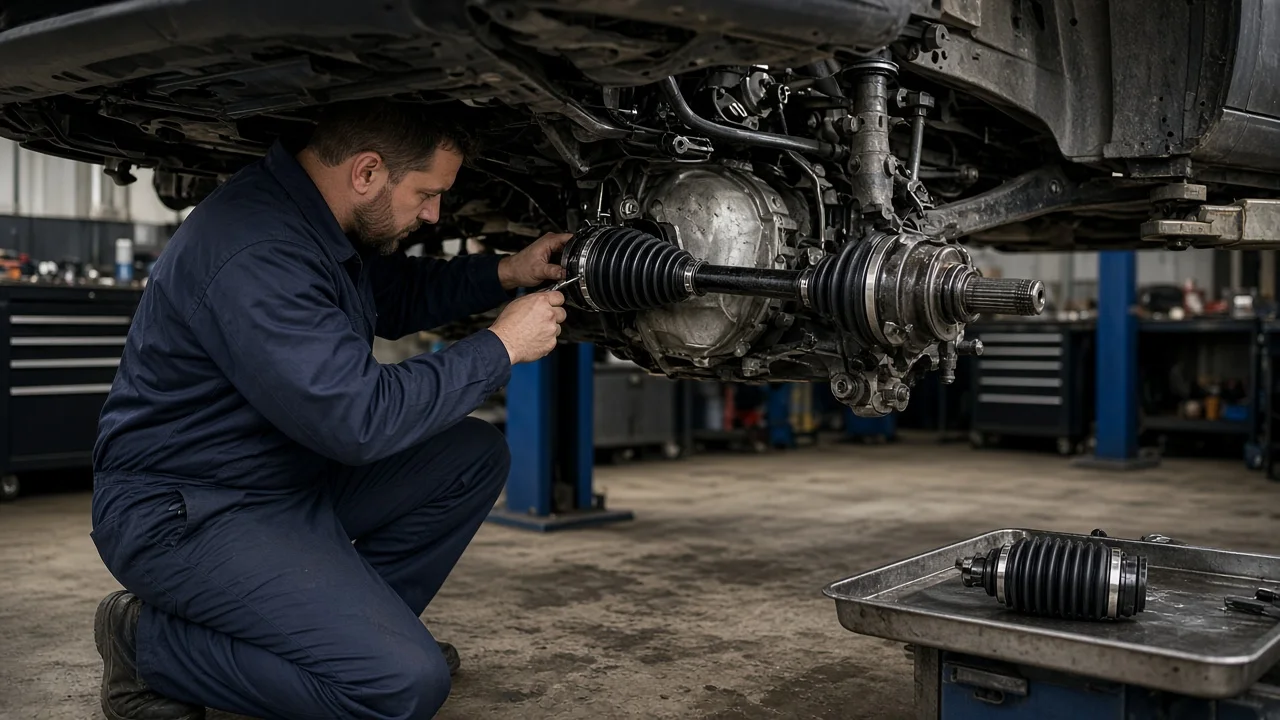
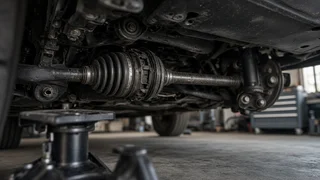
An inner CV joint boot is the flexible rubber or thermoplastic cover that seals the inboard constant velocity joint on a drive axle. When this protective boot splits, water and road grit enter while the special grease escapes, rapidly shortening joint life. Replacement means removing the axle components needed to access the boot, cleaning the joint, repacking it with fresh grease, and installing a new boot and retaining clips. Prompt attention prevents a relatively inexpensive boot repair from becoming a complete joint or axle replacement.
Essential answer
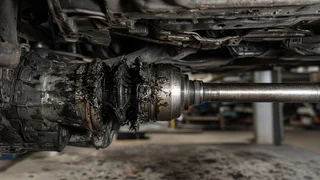
The essential answer is that a torn inner CV joint boot should be replaced rather than ignored, even if the joint still feels smooth. The boot keeps the joint's grease contained and shields the bearing surfaces from dirt and moisture. Once the cover fails, the lubricant can be flung outward by centrifugal force, and contamination works into the rollers, cage, and housing. A boot that appears only wet with grease may already be losing the very lubrication the joint needs.
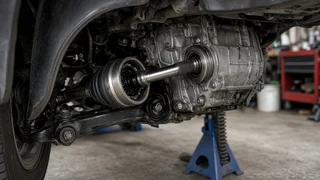
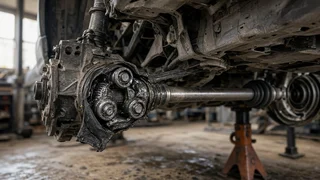
The scope of the job depends on whether the axle shaft is removed from the vehicle or the inboard joint is separated in place. Some designs allow the inner joint housing to be detached, the old boot discarded, and a new boot slid over the shaft after cleaning the spline fit and joint internals. In other cases the entire axle assembly must come out. The drivetrain loading on the inboard joint often involves plunge movement as the suspension travels, so smooth housing surfaces and clean articulation are part of a proper repair.