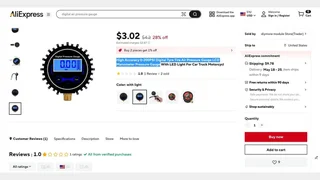
Inline Tire Pressure Gauge

An inline tire pressure gauge puts the readout directly in the airflow path between the compressor chuck and the valve stem, letting you watch pressure while air moves into the tire. Unlike a separate pencil or digital gauge that checks pressure after filling, this style is meant to reduce the back-and-forth of fill, measure, vent, and repeat. Buyers usually evaluate it as a convenience tool for garage compressors, portable inflators, or service work where fast setup matters more than laboratory precision.
The direct answer
An inline tire pressure gauge is a useful purchase when you want continuous pressure feedback during inflation and are willing to accept that the displayed value reflects the dynamic air line rather than a settled, isolated tire. The practical condition that changes the answer is your expected use. If you mainly top off a couple of tires at home and already own a reliable hand gauge, an inline unit is a convenience upgrade. If you need to hit a specific cold inflation number without repeated checking, a quality separate digital or dial gauge still deserves a place in your kit.
The value comes from reducing overshoot, especially on low-profile or lightly loaded tires where a few extra psi are easy to add quickly. Because the gauge sits between the air source and the chuck, it reacts to pressure in the hose and valve path during flow. That means the reading can dip or rise slightly as the trigger is squeezed or released. For purchase research, look closely at the scale range, the size of the graduations, and whether the connection matches your existing air chuck or inflator rather than treating all inline gauges as interchangeable.