Inline electric water pump for a car
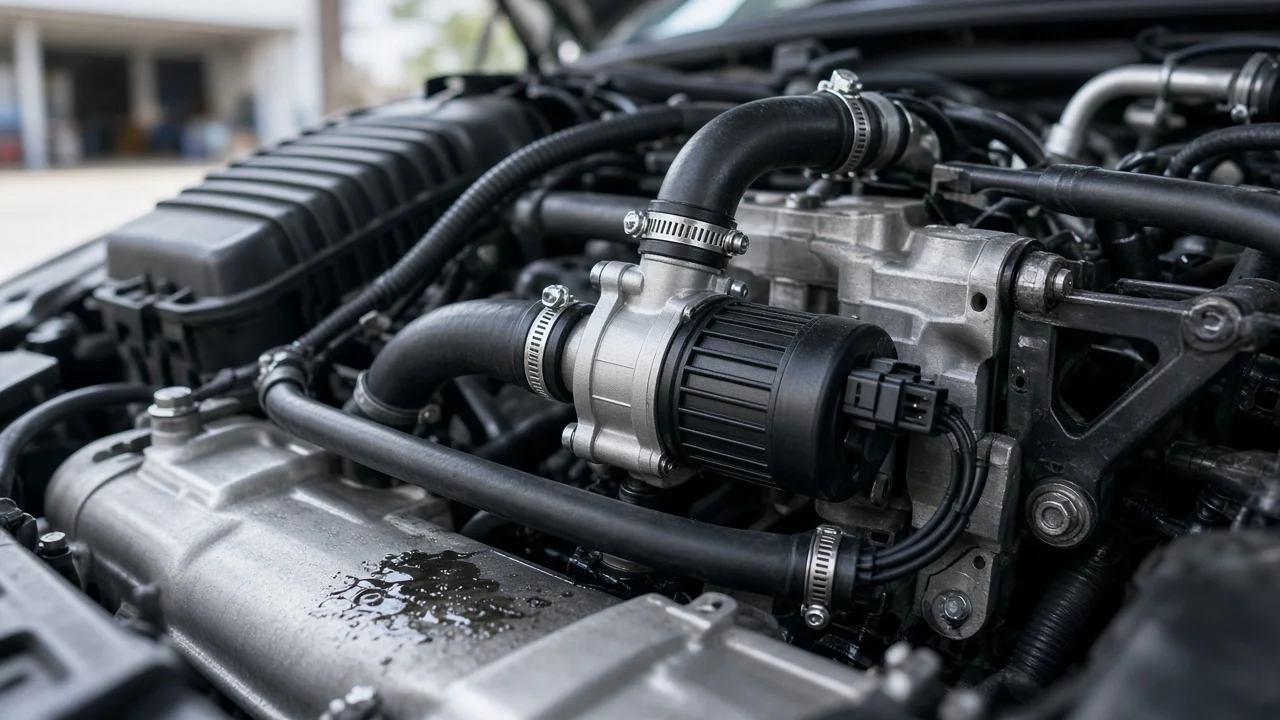
Choosing an inline electric water pump for a car means matching the pump’s flow behavior, hose connection size, and power draw to how the cooling or auxiliary water circuit is actually used. Unlike a mechanical pump that follows engine speed, an electric unit can circulate coolant or water supply on demand, which is useful for turbocharger after-run cooling, heat exchanger loops, and EV thermal management. Before buying, compare the voltage, flow rate at expected system pressure, and inlet/outlet diameter with the vehicle’s plumbing so the installed pump delivers useful circulation without creating restriction or electrical load the harness cannot support.
The direct answer
An inline electric water pump can work well when the intended job is steady auxiliary circulation rather than replacing a high-volume engine-driven pump. The right unit should match the car’s electrical voltage, fit the existing hose size, and provide enough flow rate at the resistance produced by the heat exchanger, radiator core, or tank capacity being served. A pump that moves a large volume with no restriction may still fall short once connected to restrictive plumbing, so buyers should evaluate the flow curve instead of a single free-flow number.
Because these pumps are placed directly in a hose run, the hose connection size and clamp type are the most immediate fitment details. A 12-volt pump is typical for passenger vehicles, but some thermal loops use 24-volt systems or PWM control to vary speed, reduce noise, and trim current draw. Confirm whether the pump is rated for continuous circulation or only intermittent use, and check any filter specification or sanitation requirement if the water circuit carries cabin heat or a auxiliary water supply rather than engine coolant.