Importing a Car from the USA to Australia: How the Process Works
The Short Answer
You can import a car from the United States into Australia only if it qualifies under one of the federal import pathways and you have obtained import approval before the vehicle is shipped. Not every American vehicle qualifies. Eligibility depends mainly on the vehicle's age, its model and specification, and whether you have personally owned and used it overseas. Federal approval also does not guarantee you can register and drive the car. Registration is a separate step handled by the state or territory where the vehicle will be used.
In practice, three questions decide whether a US-to-Australia import is realistic. Is the specific vehicle eligible? Can it meet Australian requirements, including any change from left-hand drive to right-hand drive? Can it clear border, biosecurity and registration checks at a cost that makes sense? The sections below explain each question in general terms. Rules and fees change, so confirm current requirements with the relevant Australian government agencies before committing money.
The Legal Framework
Road vehicle imports into Australia are regulated by the Road Vehicle Standards Act 2018 (RVSA). It replaced the earlier Motor Vehicle Standards Act and is administered by the federal department responsible for infrastructure and transport. Under this framework, a road vehicle generally needs an import approval before it is shipped to Australia. Applications are lodged through the department's online system, known as ROVER.
Importing without the required approval can lead to the vehicle being refused entry, held at the border or ordered to be exported again. Shipping first and applying later is therefore a significant risk.
The Main Import Pathways
Most private imports from the USA fall into one of the following broad routes. Each has its own conditions, and the department publishes the detailed criteria.
Pathway | General basis | Typical relevance to US vehicles; Older vehicles | A concession for vehicles manufactured at least 25 years before the import date, applied on a rolling basis | A common route for classic and older American cars; Personal import | A concession for people who have personally owned and used the vehicle overseas for a minimum period, currently 12 months, before export | Relevant to people relocating to Australia with their own car; Register of Approved Vehicles (RAV) | Specific makes, models and variants entered on the register, usually through a Registered Automotive Workshop that modifies and verifies the vehicle to Australian requirements | The usual route for newer specialist or enthusiast vehicles not sold new in Australia; Other concessional options | Narrower categories with their own criteria | Only applies where the vehicle and purpose clearly fit
The age threshold and the ownership period shown above reflect general policy at the time of writing. They should be checked against current departmental guidance, because the conditions attached to each pathway are detailed and can change.
A Registered Automotive Workshop (RAW) is a business approved under the RVSA to modify vehicles and verify that they meet the applicable Australian standards before the vehicles are placed on the Register of Approved Vehicles. Whether a particular US model can use this route depends on whether that exact variant is eligible. A similar-looking model, or the same model from a different year, may not be.
Left-Hand Drive and Compliance
Vehicles sold new in the USA are built for left-hand drive (LHD). Australia drives on the left and uses right-hand-drive (RHD) vehicles. For many import pathways and in many states, an LHD vehicle must be converted to RHD before it can be registered for regular road use. Some older or specialist vehicles may be registered in LHD form, but the conditions vary by state and territory.
An RHD conversion is engineering work, not a simple swap of parts. It typically affects the steering, the pedal box, the dashboard and related systems, and it may require engineering certification. Lighting, emissions equipment, child-restraint anchorages and other items may also need to be modified to meet Australian requirements. This guide has no supplied figures for conversion or compliance costs. Get written quotes from qualified workshops for the specific vehicle before buying or shipping it.
Border Clearance, Duty and Taxes
When the vehicle arrives, it must be cleared through the Australian Border Force. Depending on the vehicle and the circumstances, import charges can include customs duty, Goods and Services Tax (GST) and Luxury Car Tax (LCT), which applies to vehicles above a set value threshold. Processing charges may also apply.
The Australia–United States Free Trade Agreement can affect the duty payable on goods that meet its rules of origin. Whether a particular vehicle qualifies depends on those rules, not simply on where it was bought. Some imports may also be eligible for exemptions or concessions, such as certain personal effects for people relocating. This guide has no evidence on current rates or thresholds, so confirm them directly with the Australian Border Force or a licensed customs broker.
Biosecurity and Asbestos Checks
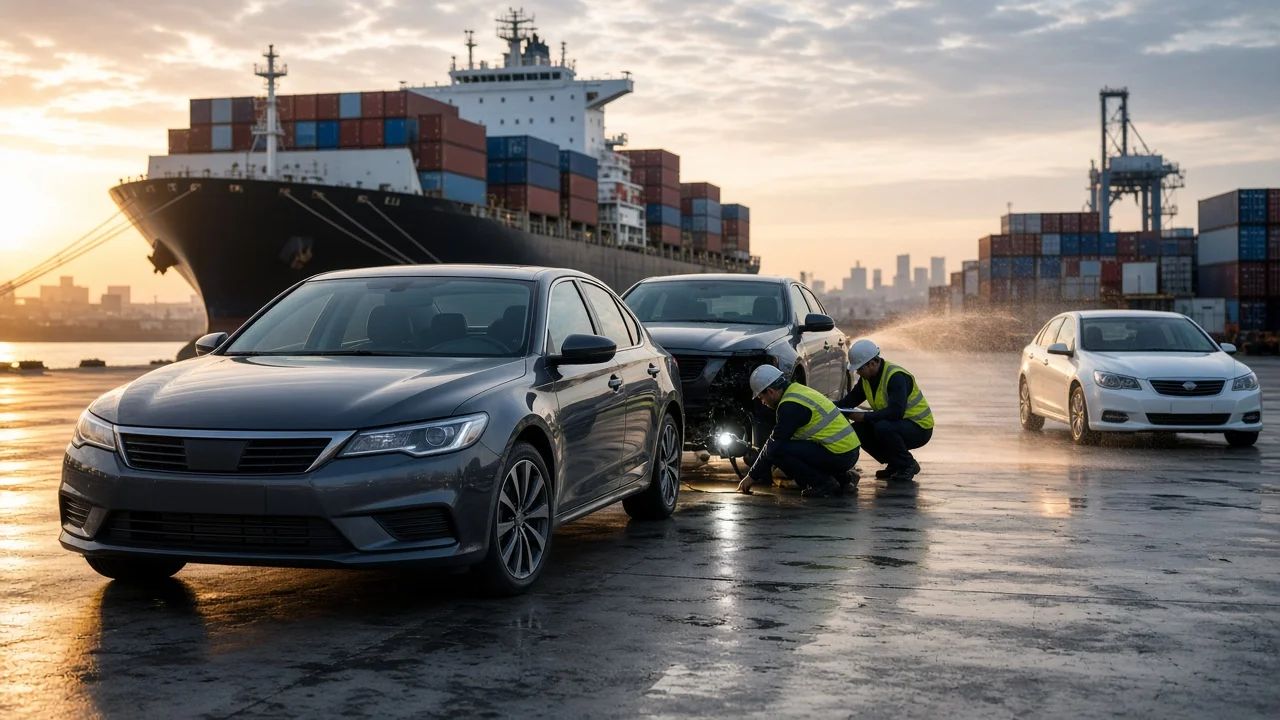
Australia applies strict biosecurity controls to imported vehicles. A car must arrive free of soil, plant material, seeds, insects and other contamination, including in wheel arches, under the body, in the engine bay and in the interior. Vehicles found to be contaminated may be cleaned at the importer's cost, or treated, re-exported or otherwise dealt with. Seasonal measures also apply to certain goods shipped from countries including the USA, targeting pests such as the brown marmorated stink bug. During the relevant season these measures can require treatment before or after arrival.
Australia also prohibits the import of goods containing asbestos. Older vehicles can contain asbestos in parts such as brake components, clutches and gaskets. Importers of older vehicles in particular should be ready to show that a vehicle is asbestos-free, which may require inspection, testing or replacement of parts before shipping.
Registration Is a Separate Step
Federal import approval allows the vehicle into the country under specified conditions. It does not register the car. Each state and territory sets its own registration requirements, which can include roadworthiness or safety inspections, engineering certification for modifications, and rules for LHD vehicles. Before you import, check the requirements in the state or territory where the car will be registered, since one jurisdiction may accept a vehicle that another will not.
Typical Order of Steps
1) Identify the exact vehicle, including make, model, variant, build date and drive configuration. 2) Determine which import pathway, if any, the vehicle qualifies for under current departmental guidance. 3) Check state or territory registration requirements, including any rules on LHD vehicles. 4) Obtain quotes for any compliance work, RHD conversion and engineering certification. 5) Apply for and receive import approval through ROVER before the vehicle is shipped. 6) Address asbestos risks and have the vehicle thoroughly cleaned before export. 7) Arrange shipping, and allow for any seasonal biosecurity treatment requirements. 8) Clear the vehicle through the Australian Border Force, paying any duty, GST, LCT and charges that apply. 9) Complete any required modifications, inspections and certification. 10) Register the vehicle with the relevant state or territory authority.
What This Guide Cannot Confirm
No specific prices, fee amounts, tax rates, value thresholds, processing times or contact details were available for this guide, and none have been included. Total cost and timing depend heavily on the vehicle, the pathway, the shipping method, the extent of compliance or conversion work, and the destination state or territory. For a firm answer on a particular vehicle, rely on current guidance from the federal transport department, the Australian Border Force, Australian biosecurity authorities and the relevant state or territory registration authority. Licensed customs brokers and approved workshops are also useful sources.