Importing a Car to Panama: What the Process Involves and How It Differs From a Temporary Visit
The Short Answer
You can bring a car into Panama, but the route depends on why you're bringing it. A permanent import means clearing the vehicle through Panamanian customs, paying any applicable import duties and taxes, and then registering and plating it locally. A temporary entry is for visitors who drive or ship a car in for a limited stay and take it out again. These two paths have different paperwork, costs and obligations, so decide which one applies to you before you do anything else.
This guide gives a general overview. No confirmed current figures were available for it, including duty rates, fees, processing times, age limits or office contacts. Those details change and should be checked with Panamanian authorities or a licensed customs broker before you commit to shipping.
Permanent Import vs. Temporary Entry
Aspect | Permanent import | Temporary entry; Who it suits | New residents, or anyone keeping the car in Panama long term | Tourists and short-term visitors; Customs treatment | Formal import clearance, with duties and taxes assessed | Temporary admission, with the vehicle expected to leave; Registration | Local registration and Panamanian plates required | Usually driven on foreign registration for the permitted period; Main obligation | Meet import, tax and registration requirements | Leave the country with the vehicle before the permit expires
If you stay past a temporary permit's terms, or try to sell a temporarily admitted car locally, you can expect penalties or a requirement to complete a full import. Confirm the permitted duration and any extension options when the car enters the country.
How the Process Generally Works
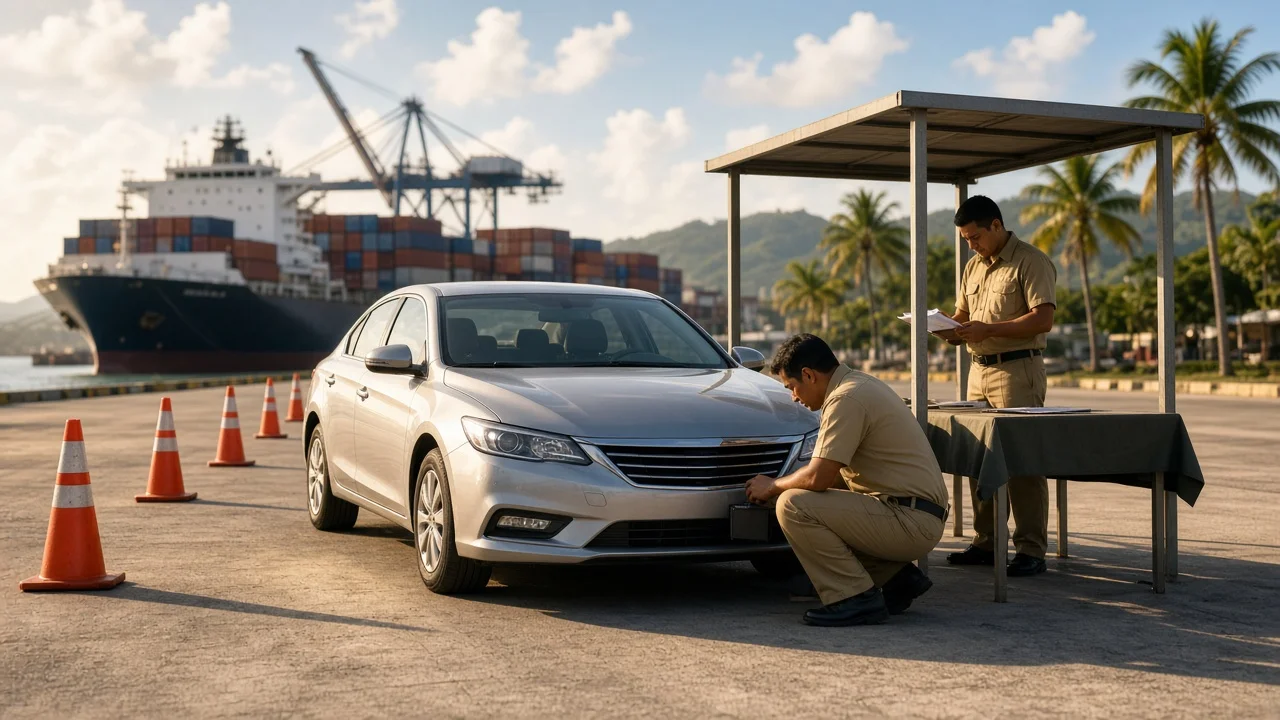
1) Export the car from its current country. For US-based cars, the vehicle and its title documents generally have to be presented for export clearance before shipping, and the shipping company or forwarder can explain the current procedure. 2) Ship the car. Panama has no road connection to South America through the Darién Gap, so cars from the south are shipped. Cars from North and Central America can arrive by sea or overland. 3) Clear Panamanian customs. The National Customs Authority (Autoridad Nacional de Aduanas) handles import declarations. Many importers hire a licensed customs broker to prepare and file the paperwork. 4) Pay duties and taxes. These are generally calculated on the vehicle's assessed value, and its type and characteristics can affect the result. 5) Inspect, register and plate the car. Once it's cleared, the vehicle goes through local registration and receives Panamanian plates. Ask your broker or the relevant local office which inspection and insurance steps apply.
Documents You Should Expect to Need
Original vehicle title showing clear ownership, with no unresolved liens; Proof of purchase, such as a bill of sale or commercial invoice, to support the declared value; Shipping documents, such as the bill of lading; Passport or other identification for the owner; Current registration from the country of origin; Any residency or immigration documents, if an exemption or special treatment may apply to your status
This list reflects documents commonly requested in vehicle imports generally. It is not a confirmed official Panamanian checklist, so verify the exact requirements, including whether translations or certified copies are needed, before shipping.
What Can Change the Answer
Several factors can affect cost and eligibility: the car's value, age and type; whether you are a resident, a visitor or a holder of a specific residency category; and whether the car has outstanding loans or ownership problems. Some residency programs have offered vehicle-related tax benefits in the past, but no current evidence was available for this guide. Ask directly whether any exemption applies to your situation instead of assuming it does.
Gaps to Confirm Before You Ship
Current import duty and tax rates, and how the vehicle's value is assessed; Any limits on vehicle age, condition or steering configuration; The allowed duration of a temporary entry and whether it can be extended; Registration, inspection and insurance requirements after clearance; Typical customs processing times and broker fees; Whether shipping and importing still makes more financial sense than buying a car locally
Practical next step: get a written quote from a licensed Panamanian customs broker for your specific vehicle. That will show you the likely duties, taxes and paperwork before you pay to ship the car.