Importing a Car into Russia: What You Need to Know
The short answer
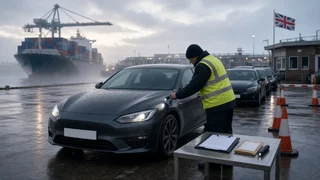
Importing a car into Russia is possible in principle, but for readers in the United States the first obstacle is usually not Russian customs. It is the export side. Since 2022, the US government has imposed sanctions and export controls on Russia, and these have restricted the export of many vehicles there. Whether a given car can legally leave the US for Russia depends on the vehicle, its value, the parties involved and the rules in force on the shipping date. Those rules have changed more than once.
If the export is permitted, the Russian side involves customs clearance and payment, proof that the vehicle meets Eurasian Economic Union safety rules, an electronic vehicle passport and registration with the traffic police. Each stage has its own documents and costs. Each can make a particular car impractical or impossible to import.
Scope and the qualifications that change the answer
Where the car is coming from: US and EU export restrictions apply to vehicles leaving those jurisdictions, so the origin country can decide whether an import is lawful at all. Who is importing and why: Russian customs treats vehicles imported for personal use differently from commercial imports, and the duty calculation differs between the two. Permanent or temporary entry: a visitor bringing a foreign-registered car in temporarily goes through a different customs regime than someone importing a car to register it in Russia. The vehicle itself: engine size, power, age, powertrain type and emissions compliance all affect duties, fees and whether the car can be certified.
Step 1: Confirm the car can legally be exported
For a US-based owner or seller, export controls administered by the Department of Commerce and sanctions administered by the Treasury Department are the starting point. Restrictions introduced after 2022 cover categories of goods that include passenger vehicles. Some measures are tied to vehicle value, and penalties for violations can be severe. The EU has imposed comparable restrictions on vehicle exports to Russia.
Routing a car through a third country does not by itself make a restricted export lawful. Transshipment intended to evade controls is itself a compliance concern. Sanctions also affect banking, so paying for shipping, customs brokerage or the vehicle itself can be difficult even where the export is permitted.
Because thresholds and covered categories have been revised over time, check the current rules with the relevant US agencies or a trade-compliance attorney before committing money.
Step 2: Russian customs clearance and payments
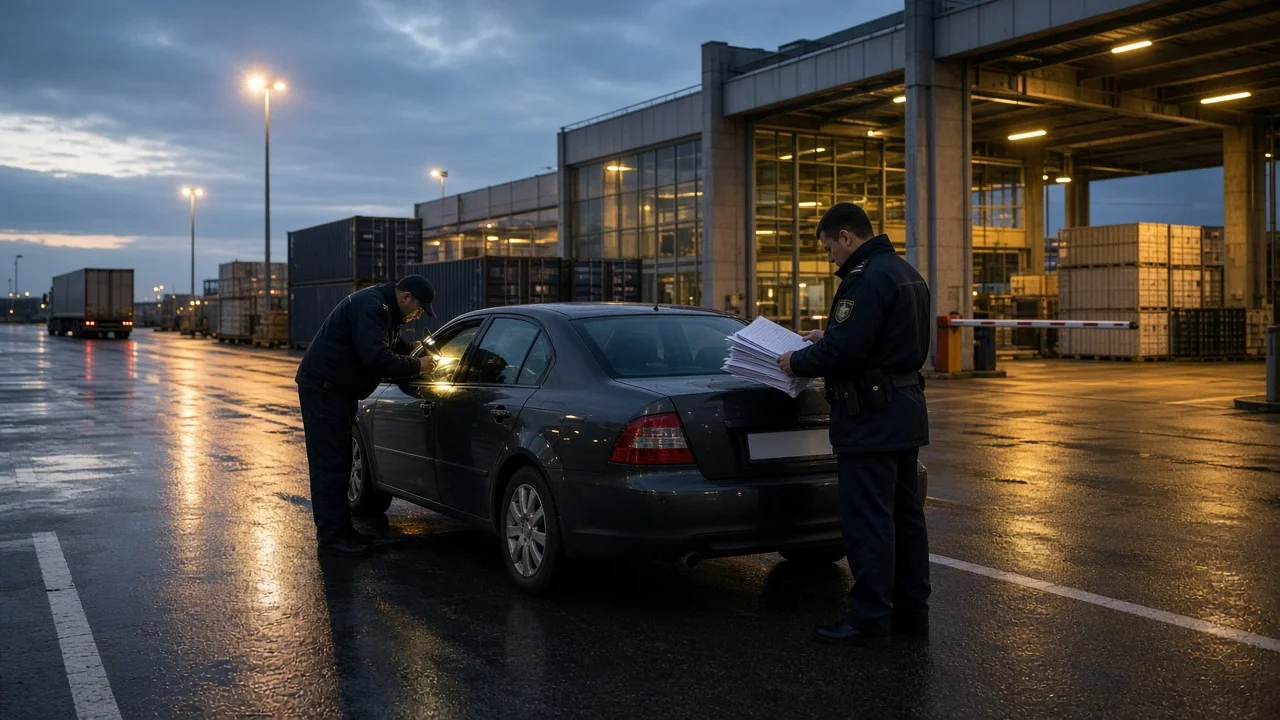
Vehicles entering Russia for permanent use must be declared to the Federal Customs Service. Depending on the importer and the vehicle, the payments can include:
Customs duty, calculated differently for personal and commercial imports, with engine displacement, vehicle age and value among the relevant factors. Excise tax, generally linked to engine power for commercial imports. Value-added tax on commercial imports. The recycling fee, a charge levied on imported vehicles that has been raised in recent years and can be a large share of the total cost.
Russia is a member of the Eurasian Economic Union, a customs union that also includes Belarus, Kazakhstan, Armenia and Kyrgyzstan. Union-level rules shape customs treatment and vehicle certification, and cars are sometimes brought in through other member states. That route has its own rules and has drawn regulatory attention, so it should not be assumed to be simpler or cheaper.
Step 3: Safety conformity certification
A vehicle must comply with the Eurasian Economic Union technical regulation on the safety of wheeled vehicles. For a car imported individually rather than as a certified series model, this is typically shown with a vehicle design safety certificate, issued after an accredited laboratory inspects the car.
Emissions class is part of this assessment. A car built for the US market may need documentation or changes to show compliance, and some vehicles may not qualify. Treat certification as a real risk to check before buying or shipping, not a formality.
Step 4: Electronic vehicle passport and registration
Russia has moved from paper vehicle passports to an electronic vehicle passport system. Once customs clearance and certification are complete, an electronic passport is issued for the imported car. The owner then registers the vehicle with the State Traffic Safety Inspectorate to get Russian plates and the right to drive it on public roads. Registration normally requires the customs documents, the conformity certificate, the electronic passport and proof of ownership.
Temporary entry for visitors
A visitor driving a foreign-registered car into Russia, rather than importing it permanently, generally uses temporary import procedures at the border. These have time limits and conditions on who may use the car. The same export restrictions can still matter depending on where the trip begins, and border crossings and insurance arrangements have been affected by recent geopolitical changes.
Information gaps to resolve
This overview has no confirmed current figures behind it. It does not state duty rates, recycling fee amounts, export value thresholds, processing times or costs, because no verified data was available and these values change. Before acting, confirm the following with official sources or licensed professionals:
The current US export control and sanctions status for your specific vehicle and transaction. Current Russian customs duty, excise, VAT and recycling fee rates for your vehicle's engine, power, age and import category. Whether your vehicle can obtain a design safety certificate, including emissions compliance. How payments for shipping, brokerage and customs can be made lawfully under current banking restrictions.
Bottom line
For readers in the US, importing a car into Russia is first a question of export legality and only then a question of Russian customs and registration. If the export is permitted, plan for customs payments that include a significant recycling fee, an individual safety certification and electronic passport registration. Because the legal landscape on both sides has shifted repeatedly, get current, written advice from a trade-compliance specialist and a customs broker before purchasing or shipping a vehicle.