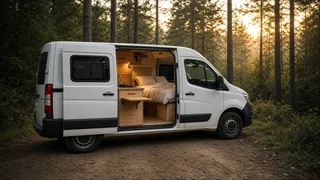
Ikea camper van conversion
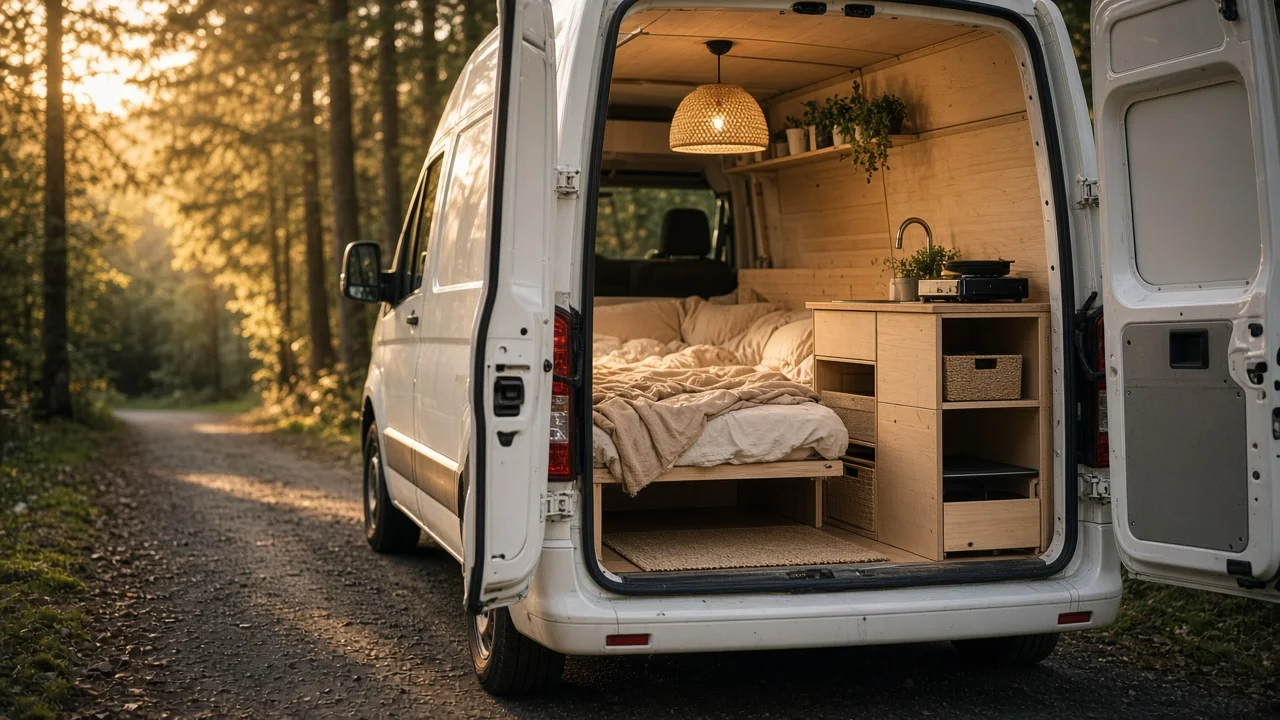
Converting a van into a livable camper can feel overwhelming, so it is tempting to look for an inexpensive shortcut like an Ikea camper van conversion. This is not a factory kit or an official product line. Instead, it describes a DIY approach where inexpensive household furnishings, storage, and hardware from the Swedish retailer are adapted to a cargo area. The appeal is practical: light weight, modular sizing, and low initial cost. But a moving vehicle subjects parts to vibration, weight transfer, and moisture in ways a bedroom or kitchen cabinet never experiences, which changes how suitable some pieces are.
Essential answer
An Ikea camper van conversion is a self-built interior project rather than a turnkey package. Because no complete kit exists under that name, searching for a specific box or part number creates false expectations. The realistic method is to use selected components—such as narrow cabinet frames, mattress foam, or compact countertops—inside a van body. The resulting layout must respect cargo access, seating layout, and the available wheelbase, since a long-wheelbase model accepts deeper cabinetry while a shorter van leaves less room.
Success depends on treating retail furniture as raw material, not as an approved RV system. Any cabinet must be reinforced at joints and secured to the metal floor or wall with appropriate anchors. Weight distribution matters because a high, rearward load can raise steering effort and increase body roll. For owners in markets such as Australia or the United States, local market specification and powertrain options do not change the basic concept, but heat, humidity, and rough road surfaces make ventilation and durable fastening more important than appearance.