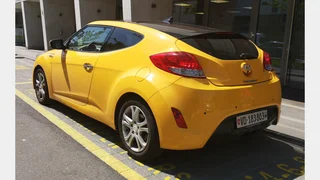
Hyundai Veloster compact hatchback generations
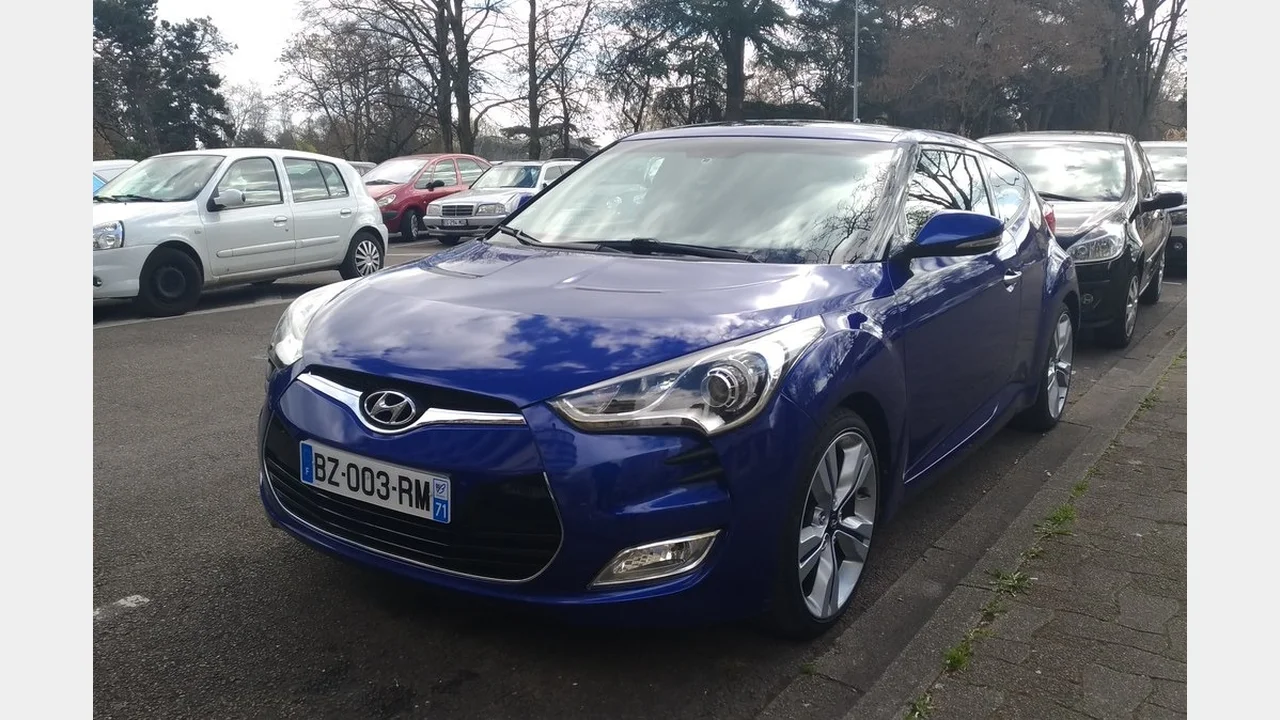
A Hyundai Veloster is best understood as an asymmetric compact hatchback: two doors on the passenger side, one longer door on the driver side, and a rear liftgate that opens to a versatile cargo area. For readers comparing it through outlets such as Car and Driver, the Veloster's unusual body style matters because it changes everyday passenger space, cargo access, and how the vehicle fits different ownership needs. The model has evolved across generations, so a review from one period may describe a very different vehicle configuration than the current or earlier version.
Essential answer
The core answer is that the Veloster is a compact hatchback designed around a distinctive three-door layout. The single driver-side door reduces visual clutter and gives the car a coupe-like appearance from that side, while the two passenger-side doors make rear-seat entry more practical than in a conventional two-door coupe. This split configuration is not merely cosmetic; it affects how passengers climb in, how much room the rear seats receive, and how the structure balances stiffness and weight in a compact footprint.
Because the Veloster has been offered in multiple generations, the meaning of the term depends on which version is being discussed. Early models established the shape and an economical character, while later generations refined ride quality, interior materials, and available powertrains. The consistent element is the hatchback body with its unusual door count. Anyone researching a specific model year should confirm which generation it belongs to, because dimensions, feature availability, and driving behavior shifted even though the basic body style remained recognizable.