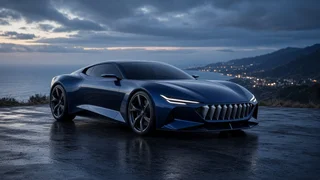
Hyundai sports and performance cars
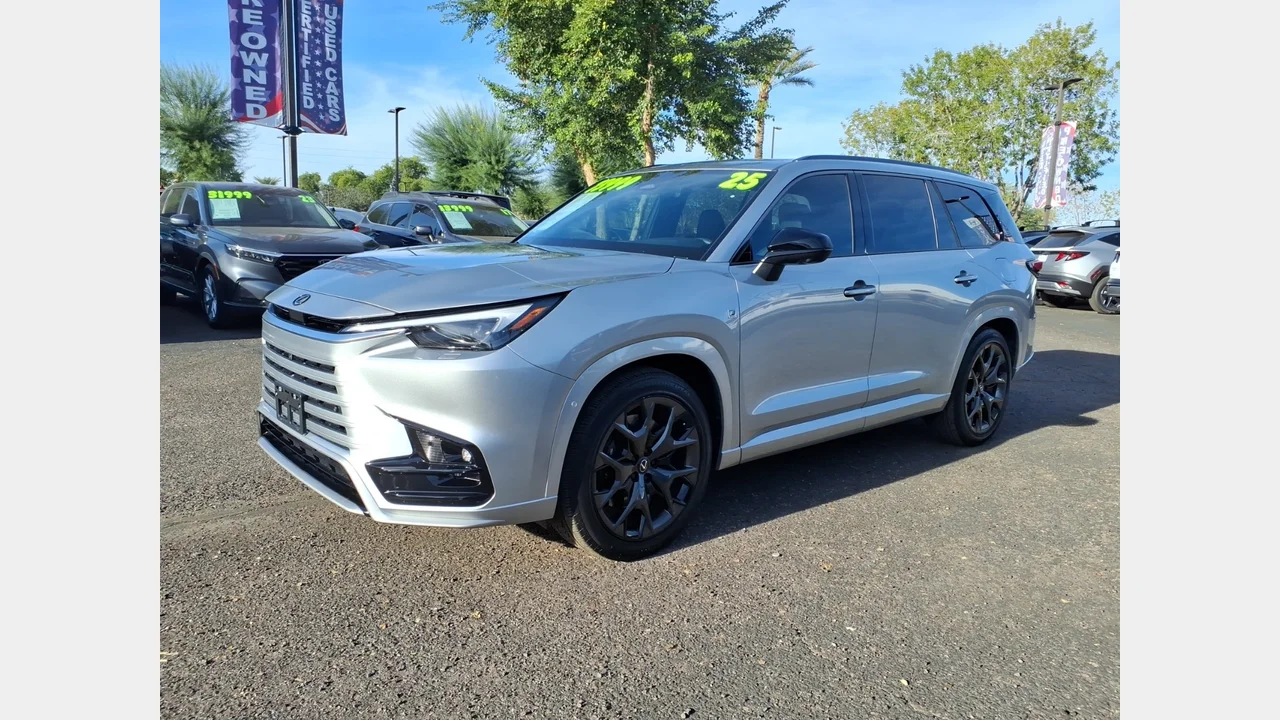
A Hyundai sports car no longer means a single compromised coupe with modest power. The brand now applies its performance label to hatchbacks, sedans, and electric models that use turbocharging, tuned chassis components, and dedicated driving modes. Shoppers looking for a fast or performance-oriented Hyundai should compare platform, powertrain, and trim rather than assuming every sport-badged model behaves the same. Model generation and market specification change equipment, so the useful answer depends on which body style and powertrain variant you are actually evaluating.
Essential answer
The essential answer is that Hyundai’s sports and performance cars span several model lines, not one nameplate. The range historically centers on compact and midsize platforms where higher-output engines, firmer suspension tuning, upgraded brakes, and sport-focused trim packages separate a performance model from a standard commuter car. A fast Hyundai is usually identified by a turbocharged powertrain, a specific performance trim level, and chassis hardware such as larger wheels, stiffer dampers, or a limited-slip differential. The exact equipment varies by model year and market specification.
Because the term Hyundai sports car covers different body styles, the right interpretation depends on whether you are considering an older coupe, a current hot hatch, a sport sedan, or an electric performance model. Model generation matters here. Early front-drive coupes offered accessible styling but modest straight-line speed, while later N-brand models delivered substantially higher cornering ability and acceleration. A performance car may carry the same body shell as a family model yet differ fundamentally in steering calibration, traction control behavior, and component durability under hard use.