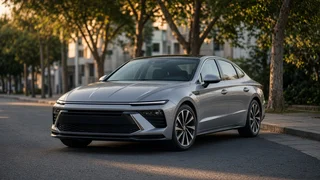
Hyundai Sonata Gold price
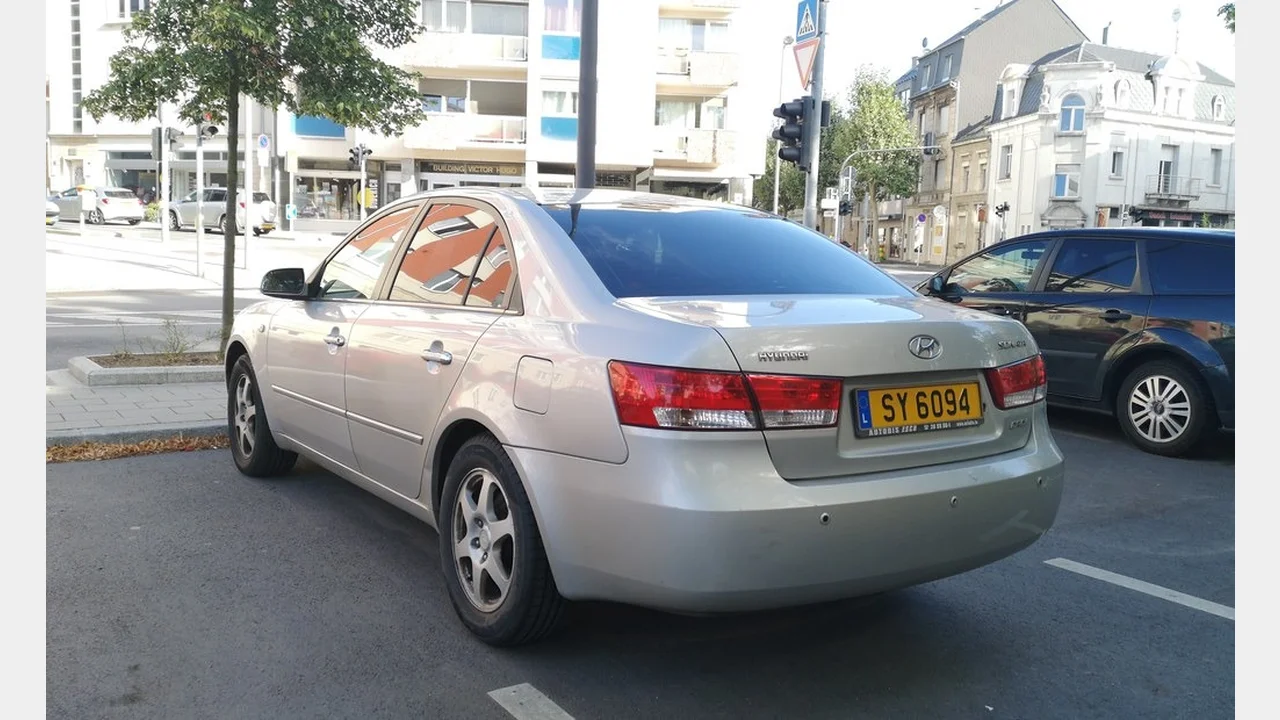
A Hyundai Sonata Gold price can shift quickly because the term often describes a paint color or appearance package rather than one fixed factory trim. Buyers comparing listings should treat the asking figure as a starting point, not the final cost. Model year, trim level, regional market, vehicle condition, and included charges all change the real market valuation. A clean older Sonata in gold may cost far less than a newer one, while dealer fees can erase an apparent bargain. The sections below explain how to evaluate that price in a practical, purchase-focused way.
The direct answer
There is no single, universal Hyundai Sonata Gold car price because the gold descriptor does not identify one consistent equipment level across every model year. Some listings use it for a beige or champagne exterior finish, while others describe an appearance or value package. The transaction range therefore depends on the generation, odometer reading, mechanical condition, and local demand. A private seller may list an older gold Sonata for a few thousand dollars, whereas a low-mileage certified example at a franchise dealer can command a noticeably higher figure.
The most useful immediate step is to compare the specific vehicle against similarly equipped Sonatas in the same regional market, ignoring color as the only variable. Trim level often matters more than the gold paint, because a base four-cylinder car and a loaded turbo or hybrid model can be thousands apart. Included charges such as documentation fees, reconditioning, or certification costs also alter the final amount. Treat any advertised price as a negotiable opening number until the total out-the-door cost is confirmed.