Hyundai pronunciation in English
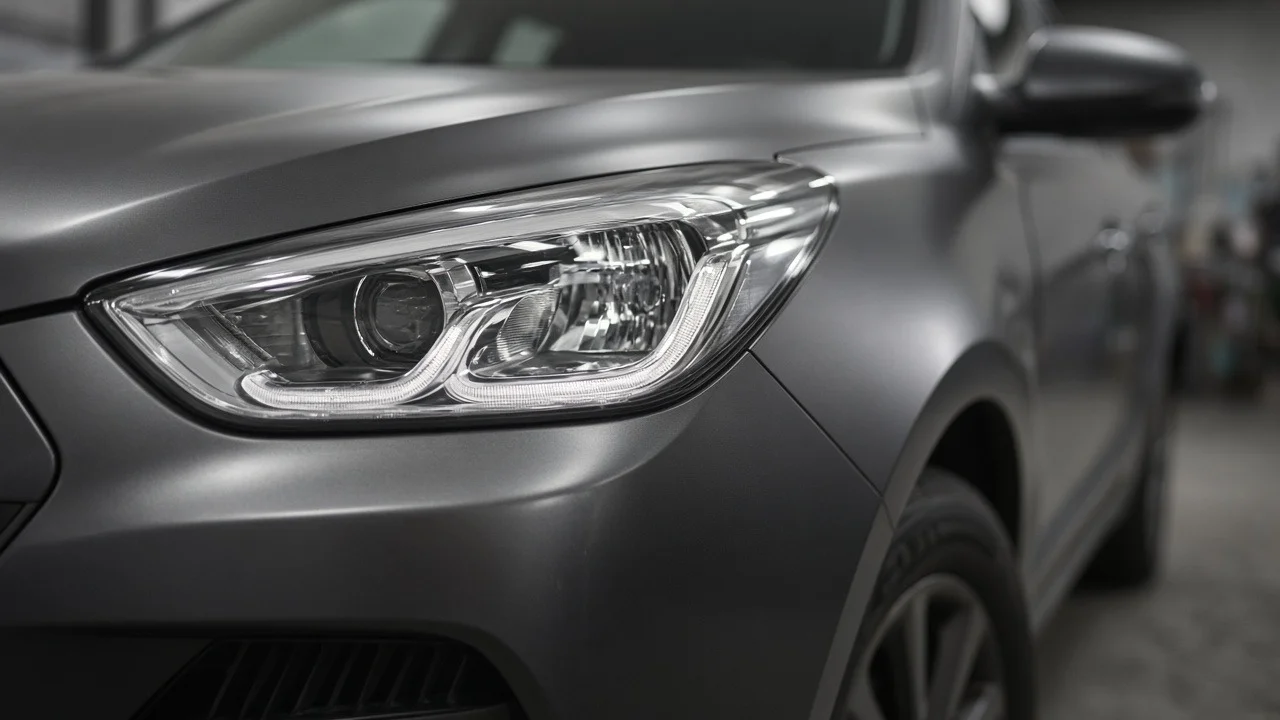
Many English speakers hesitate before saying the Korean automaker's name, unsure whether the first syllable rhymes with “sun,” “soon,” or “bun.” This uncertainty is understandable because the spelling combines letters differently from familiar English brands. The question matters to shoppers discussing a test drive, owners mentioning their vehicle, and anyone comparing model generations. A clear, natural pronunciation helps conversations sound confident without overemphasizing the foreign origin. The most widely accepted U.S. usage is “HUN-day,” with a soft initial sound and a light second syllable, though regional variations still occur among dealerships and owners.
Essential answer
The essential answer is that the company name is most commonly pronounced “HUN-day” in American English, matching the sound of the first syllable in “hundred” and ending like the word “day.” This pronunciation reflects the brand's own U.S. advertising and the speech of many dealership staff. The spelling can mislead readers into saying “HYUN-die” or “hee-UN-die,” but those versions are not the standard American form. Since the question usually comes from someone seeing the badge or an online listing, the practical advice is to shorten the first vowel and keep the rhythm comfortable rather than forcing a Korean accent.
The underlying issue is that English has no precise equivalent for the Korean vowel cluster in the first syllable. When the automaker entered the U.S. market, it chose a simplified anglicized approach suited to broadcast media and showroom conversation. A buyer researching a particular body style or powertrain configuration does not need to replicate the original Korean phonetics. Instead, “HUN-day” works consistently across model generations and trim levels without sounding artificial. If a speaker hears another version from a local owner, regional habit or personal preference may explain the difference, not a mechanical or technical terminology error.