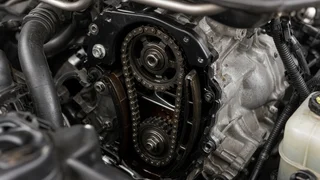
Hyundai Porter 2 timing chain
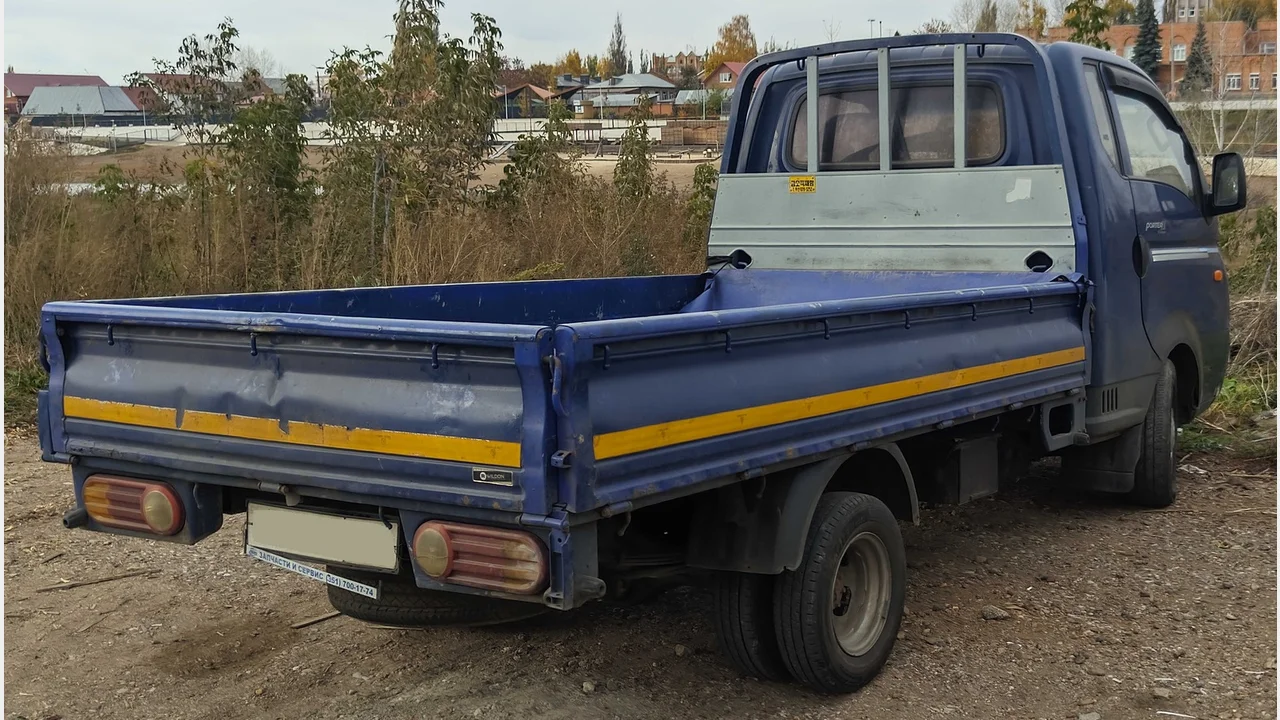
The Hyundai Porter 2 timing chain question usually comes up when an owner hears a cold-start rattle, inspects a high-mileage engine, or plans a repair on this light commercial vehicle. The inquiry typically matters because people want to distinguish normal operating noise from chain stretch, guide wear, or tensioner weakness. A timing chain is an internal synchronizing component, not a routine replacement item like a belt. Its condition depends on engine configuration, service history, symptom conditions, and diagnostic codes rather than a fixed odometer number alone.
Essential answer
The Hyundai Porter 2 uses an internal timing chain on gasoline and diesel engine versions to keep the camshaft and crankshaft rotation aligned. Unlike a rubber timing belt, the metal chain is designed for long service life but can develop excess slack when the chain stretches, the hydraulic or mechanical tensioner loses control, or the plastic guide faces wear. A timing chain does not automatically fail at a universal mileage; it fails when measurable slack, noise, or cam timing errors appear.
Interpretation should begin with the specific symptom conditions. A brief metallic rattle immediately after a cold start often points to delayed tensioner oil pressure before the chain becomes quiet. A continuous rattle at operating temperature, rough running, or a camshaft-to-crankshaft correlation diagnostic code indicates a more advanced condition. Because manufacturer-dependent codes and engine layouts vary, inspection and the service history remain more useful than assuming every rattle means the chain needs replacement. A stored fault code is evidence to interpret, not proof that the chain, guide, or tensioner has failed.