Hyundai i40 car
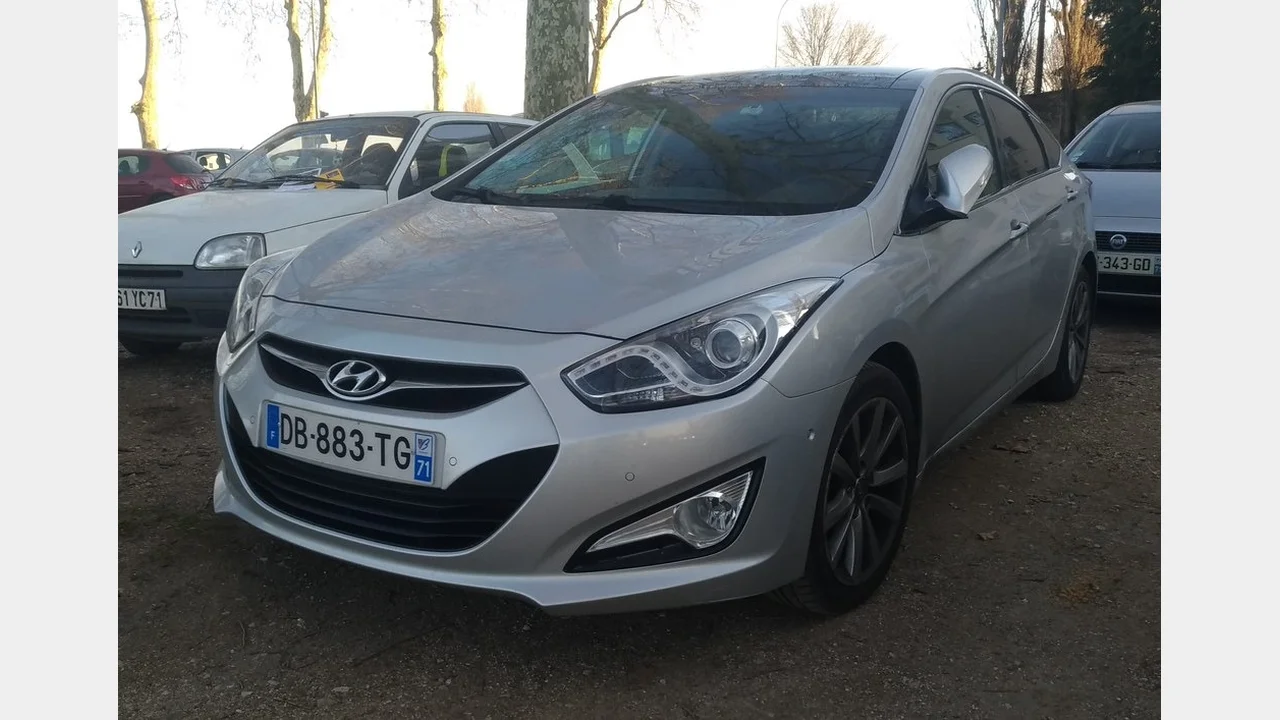
The Hyundai i40 car is a mid-size family model developed primarily for markets outside North America, where it was positioned between the smaller i30 and the larger Sonata. US shoppers researching this nameplate usually encounter it through import discussions, overseas listings, or owners who have moved from Europe, Australia, or other regions. Understanding the i40 means looking at its body styles, powertrain choices, model generation, and how market specification changed what equipment and engines were offered. Its identity depends heavily on model year and regional trim structure, so a general answer must keep those variables in view.
Essential answer
The essential answer is that the Hyundai i40 is a D-segment sedan and wagon that succeeded the Sonata in several European and Asia-Pacific markets. It shares a platform and many engineering features with the North American Sonata from the same era, but it was tuned, trimmed, and marketed as a distinct model for regions where buyers expected a more compact mid-size footprint and European-oriented ride and handling. The same name can refer to different trim levels and body styles depending on the market specification, so confirming the model generation matters before comparing specifications.
Because the i40 was not sold as a new car through Hyundai's US dealer network, American buyers generally meet it as a used import, a relocation vehicle, or a model researched for comparison with the Sonata and Elantra. The range included four-door sedan and five-door wagon variants, with gasoline and diesel powertrain configurations in different regions. For a US audience, the practical takeaway is that the i40 is a close relative of familiar Hyundai products, but model year, body style, and trim level shape its features, safety equipment, and driving character more than the simple nameplate suggests.