Hyundai hydrogen car
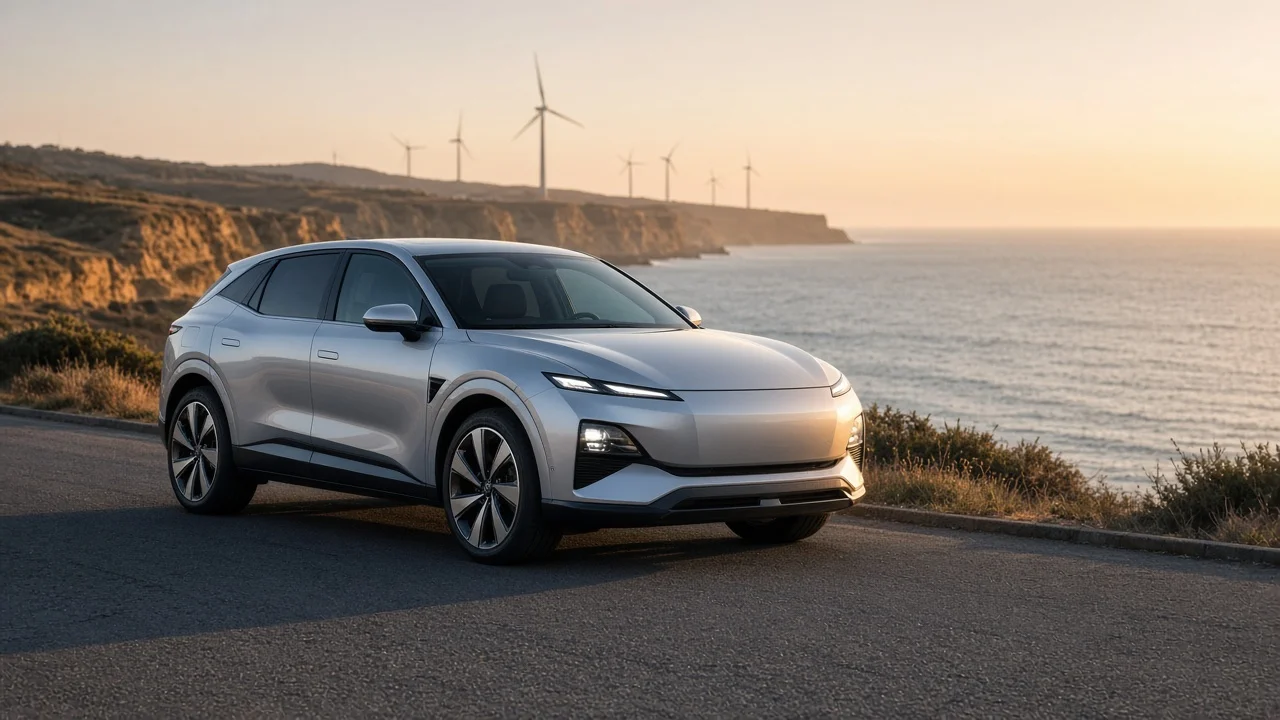
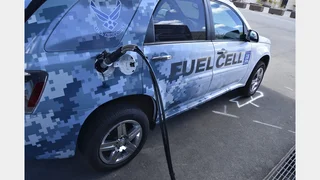
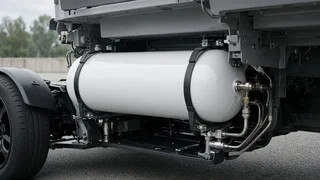
Hyundai's hydrogen car represents a different path to zero-tailpipe driving. Instead of charging a large battery from the grid, the vehicle carries compressed gas in reinforced onboard tanks and runs it through a fuel cell stack that makes electricity. The system then powers an electric motor while the only emission from the tailpipe is water vapor. This places the technology between battery-electric and conventional combustion vehicles: it offers electric drive response with the refueling rhythm closer to a gasoline car. Understanding compressed gas storage, ventilation, pressure relief, connection specifications, and applicable safety standards helps explain where the design fits in the US market and what ownership may involve.
Essential answer
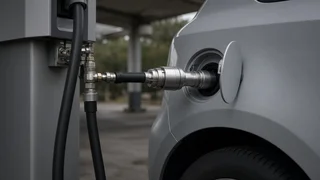
A Hyundai hydrogen car is an electric vehicle that uses a fuel cell to generate its own electricity from onboard hydrogen rather than relying primarily on a large externally charged battery. The hydrogen is held as a compressed gas, so the vehicle needs high-pressure tanks and carefully designed fueling hardware. In everyday use, the driver refills hydrogen at a dedicated dispenser, and the fuel cell converts it into power for the traction motor. The exact model lineup, ranges, and station availability change with market rollouts, but the basic concept is consistent: it is an electric drive vehicle with a hydrogen-supplied energy source.
Compared with a battery-electric car, the hydrogen model moves much of the energy storage burden into compressed gas tanks and the fuel cell stack. Refueling can resemble a gasoline stop more closely than a long DC fast-charge session, yet the fueling network is far smaller and regionally concentrated in the US. The vehicle's hydrogen plumbing operates at very high storage pressure, so components are built around strict connection specifications and pressure relief features. Buyers researching the topic should treat the term broadly, because Hyundai's fuel cell vehicles have appeared under different names and in limited sales regions rather than as one universal model.