Hyundai Elantra Timing Belt: Model Years, Replacement and Cost
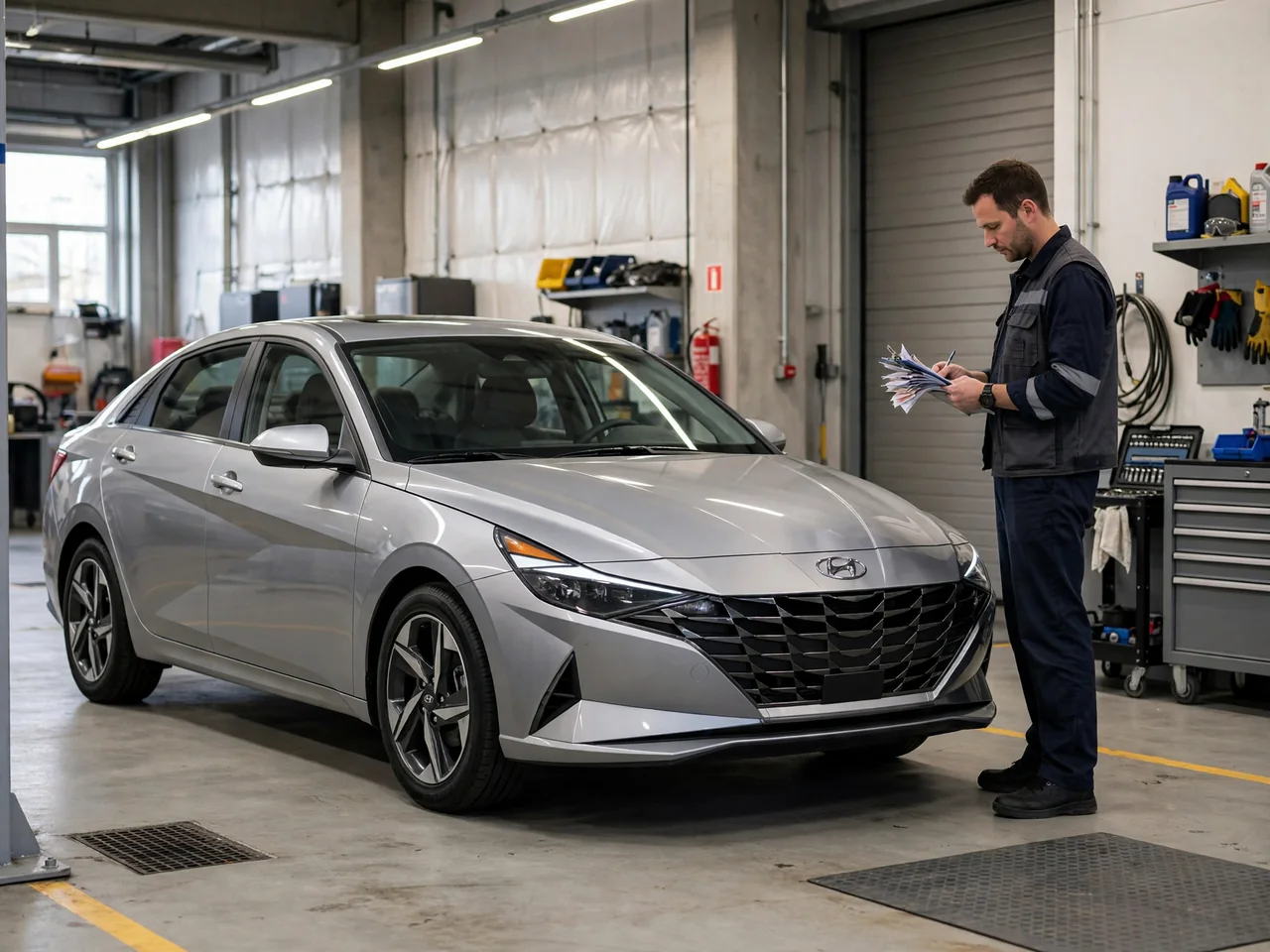
A Hyundai Elantra timing belt is not used on every generation. Some engines keep the camshafts synchronized with a belt, while others use a chain, so confirm the timing drive before planning service. This guide covers engine identification, the factory maintenance schedule, what replacement should include, cost factors, missing records, and when professional assessment is needed.
Confirm Which Elantra Model Years and Engines Use a Timing Belt
The timing belt on a Hyundai Elantra is application-specific, not a shared layout across every model year and engine. US-market Elantras have used more than one timing-drive design, so a belt-equipped engine in one year does not prove the next generation uses the same setup. Engine identification should start with the owner's manual, underhood labels, and build information rather than a general year range. A service provider can then confirm the timing drive from the VIN and the engine actually installed.
Owners looking for a timing belt for a Hyundai Elantra should not treat the serpentine belt at the front of the engine as proof. That accessory belt drives components such as the alternator and is visible with the hood open; the timing belt, when used, is typically behind covers and is not confirmed by a glance. If documentation and VIN research leave the application unresolved, treat the engine as unconfirmed rather than assuming belt service applies. Exceptions exist between engines offered in the same generation, so year alone is not enough.
Find the Replacement Schedule for Your Exact Elantra
Once the engine is confirmed as belt-driven, the replacement interval comes from that Elantra's factory maintenance schedule, not from a generic timing-belt rule. The owner's manual and dealer service information for the exact model year and engine list when timing belt service is due. Using a different Elantra's interval can either leave a worn belt in service too long or prompt unnecessary work. Ask the shop to cite the schedule that matches the VIN so the recommendation is tied to the vehicle, not a mixed-year assumption.
Many factory schedules list both a mileage limit and an elapsed-time limit. Timing belt replacement on a Hyundai Elantra is then due at whichever limit arrives first, because rubber can age even when the car is driven little. Follow a severe-service or special-condition provision only if that Elantra's schedule actually includes one for the way the vehicle is used. Quiet running and a normal-looking accessory belt do not show remaining life on the timing belt, which is not assessed by appearance from the engine bay.
What an Elantra Timing Belt Replacement Should Cover
Hyundai Elantra timing belt replacement restores the toothed belt that keeps valve timing aligned with piston motion. The job is engine-specific: cover layout, tensioning method, and timing marks differ, so shops should follow the procedure published for that engine rather than a generic belt-change approach. Owners should not attempt cover removal, tensioner release, or timing adjustment. The goal is scheduled replacement before the belt can skip or fail, not improvised inspection of a component that is designed to be serviced at a defined interval.
A useful estimate names the timing belt, belt tensioner, any idler pulley specified for that engine, and the labor included to replace them. Water pump work belongs in the same job only after confirming how that Elantra's water pump is arranged; some pumps are driven in the timing-belt circuit and are practical to service while covers are off, while others are not. Coolant leaks, oil contamination, or damaged related parts may add work, and those findings should be documented and approved before the extra items are performed.
What Determines Hyundai Elantra Timing Belt Replacement Cost
Hyundai Elantra timing belt replacement cost depends on the confirmed engine, how much access the job requires, local labor rates, and which parts are specified. A labor estimate for one Elantra engine does not transfer to another if covers, mounts, or pump layout differ. Parts selection also moves the total: a belt-only kit versus a kit that includes the tensioner and idlers will quote differently. Because those variables change by vehicle and shop, a published round number is not a substitute for an application-specific quote.
The cost of timing belt replacement on a Hyundai Elantra often includes the belt, tensioner, idler pulleys, any approved water pump work, coolant or other fluids, taxes, and shop fees. Distinguish that quoted scope from conditional repairs found after covers are off; extra seals, a leaking pump, or contaminated parts need inspection findings and owner approval. Request a written total, part numbers or kit identification, and warranty terms on parts and labor. That paperwork lets you compare the cost to replace a timing belt without relying on an unsupported current price.
Handle Missing Timing Belt Service Records
When maintenance records are incomplete, look for invoices that name the vehicle, the date, the mileage, and the work performed. A useful line should identify timing belt service, not only a vague "belts" entry that could mean the accessory drive. VIN or plate information on the invoice helps confirm the paperwork belongs to that Elantra. Without those details, a seller's verbal claim or a generic maintenance stamp does not establish that anyone did replace the timing belt on that car.
A shop can review whatever history exists, confirm the engine application, and compare age and mileage with the applicable schedule to recommend the next step. That recommendation may be replacement if the interval is unknown or overdue, not an assumption that the original belt is still within limits. An inspection with covers in place cannot reliably establish belt age or remaining life. Visual condition also should not be used to extend a documented replacement deadline once that interval has been reached.
Recognize Problems That Need Professional Assessment
Belt deterioration on a Hyundai Elantra can provide little warning. Cracking, missing teeth, and loss of tension often develop behind covers, so symptoms cannot replace scheduled timing belt replacement. Unusual engine-area noises, visible leaks while the car is parked, rough running, or starting trouble are reasons for professional assessment, but they do not diagnose the belt by themselves. Those signs can come from accessory drives, ignition, fuel, or other systems, and a shop should interpret them in context of the confirmed engine and records.
Owner checks should stay with dashboard warnings, available maintenance records, and leaks visible while the vehicle is safely parked. Leave timing covers, tensioners, and other moving parts untouched. If the engine shuts down suddenly or a severe mechanical noise appears, stop in a safe location and arrange professional assessment rather than repeated restart attempts, which can add damage if valve timing has been lost. A shop that must replace a timing belt after a suspected skip should document extra inspection before expanding the job.