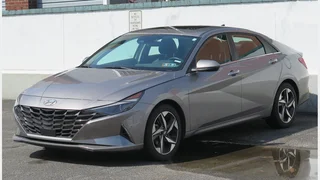
Hyundai Elantra car sales
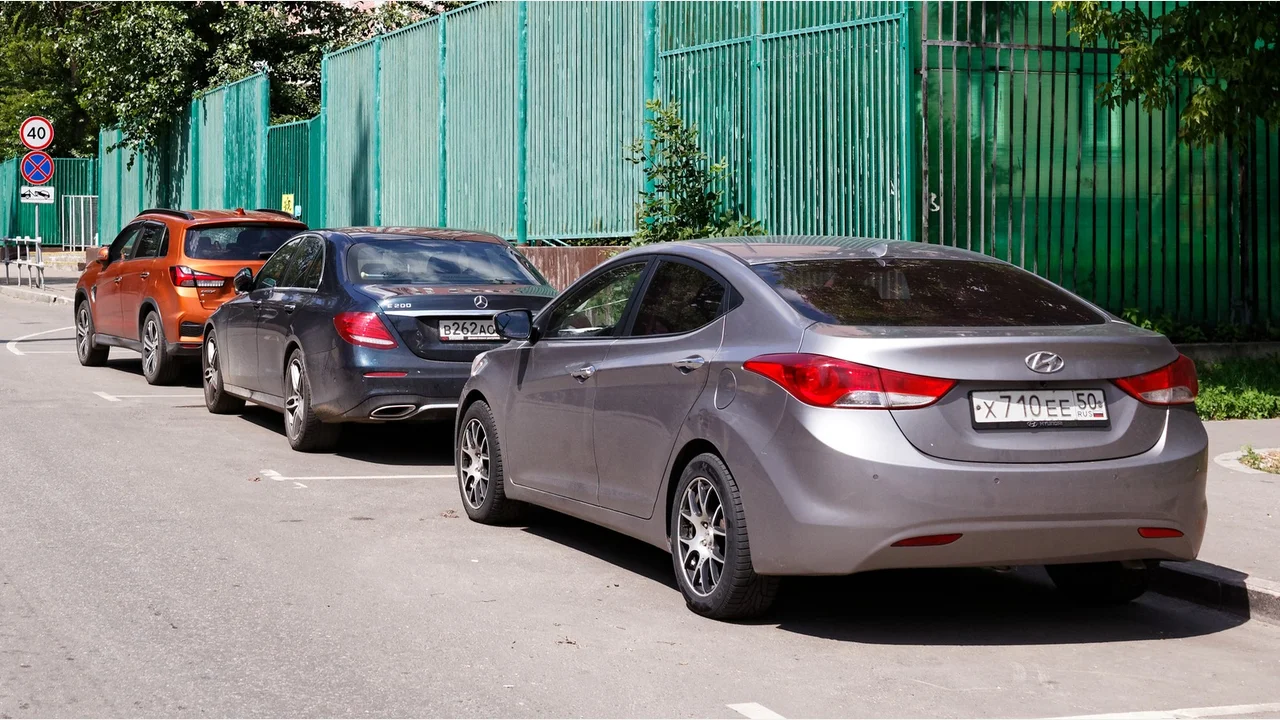
Researching Hyundai Elantra car sales means looking beyond a single advertised price to understand how this compact sedan moves through different regional markets. Shoppers often compare trim availability, production period changes, and dealer incentives when deciding whether an Elantra fits their budget. Brand ownership and market segment also shape resale interest, because a popular commuter car can behave differently in new and used inventories. The following overview explains what sales information typically reveals and which factors most often influence a purchase decision without relying on unconfirmed figures.
Essential answer
The question about car sales Hyundai Elantra usually reflects a buyer trying to gauge how the model is positioned, advertised, and discounted within the competitive compact segment. Sales information for this vehicle generally covers factory incentives, dealer inventory levels, and trim mix rather than one fixed transaction price. Because the manufacturer adjusts regional offers during different production periods, a listed sale amount in one ZIP code may not match a neighboring market. Understanding that variability helps shoppers recognize when a promotion is genuinely local.
A useful starting point is to separate national marketing support from dealer-specific discounts. The manufacturer may lower finance rates or lease payments on certain trims, while a retailer can independently reduce a unit that has aged on the lot. Sales figures also indicate which body styles and option packages are moving quickly, which affects negotiation room. For a used Elantra, prior rental or fleet history can lower asking prices even when mileage appears moderate. These layered incentives explain why two identical-looking vehicles can carry different final numbers.