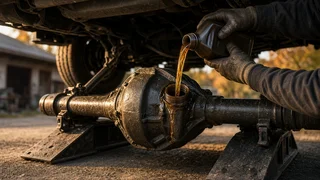
Hydro-Gear ZT-3400 transaxle oil type
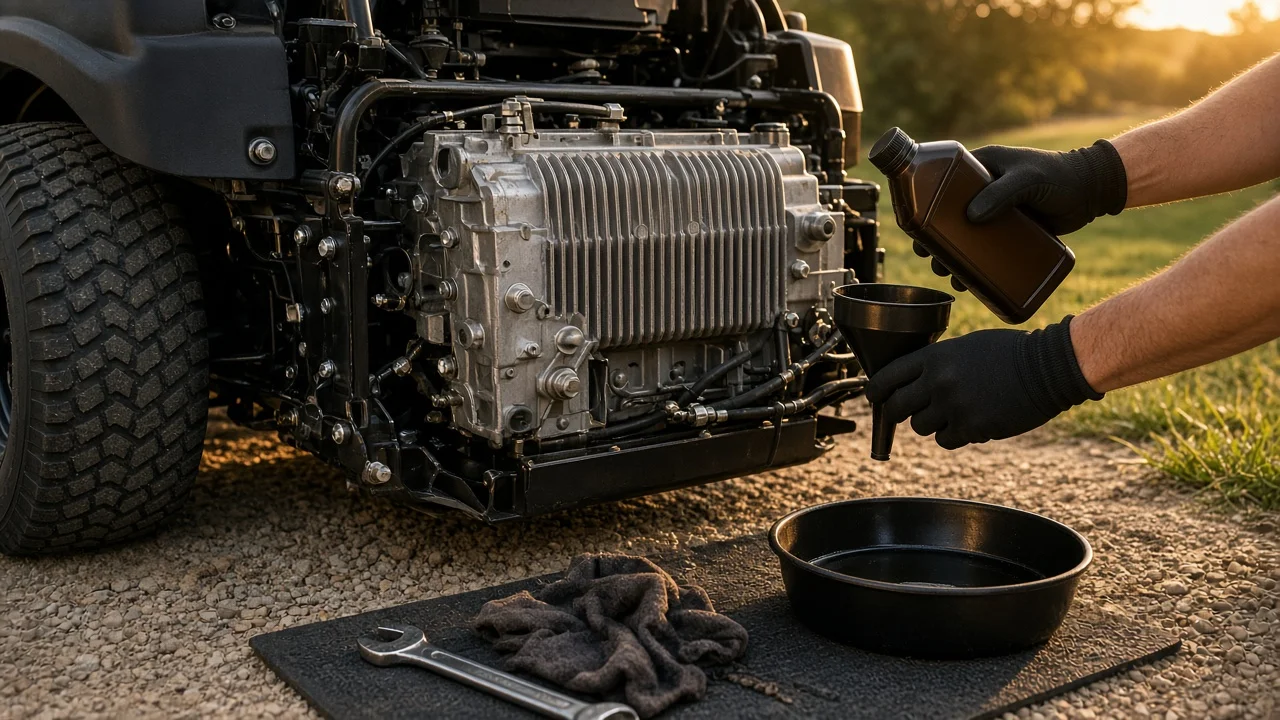
When a zero-turn mower begins to feel weak, noisy, or slow after warming up, the hydraulic drive fluid is often the first clue worth investigating. The Hydro-Gear ZT-3400 transaxle oil type matters because this integrated hydrostatic drive depends on the fluid for power transfer, cooling, and internal lubrication in one shared circuit. Choosing the correct lubricant specification supports smooth lever response and protects the pump and motor surfaces from unnecessary wear. The following explanation covers what this unit is, how its oil requirement differs from common axle or engine oils, and why the fill quantity and level check procedure deserve close attention before adding anything.
Essential answer
The Hydro-Gear ZT-3400 is a serviceable hydrostatic transaxle, and its oil requirement generally falls into a premium synthetic or conventional 20W-50 motor oil category intended for air-cooled engine service, but owner confirmation against the unit tag remains necessary because manufacturer-dependent specifications can vary. Hydro-Gear commonly directs users toward a good-quality detergent oil with an API service rating suitable for gasoline engines rather than a dedicated hydraulic fluid. That distinction immediately narrows the choices at the parts counter and helps avoid common mistakes such as automatic transmission fluid or thin hydraulic oil.
Equipment identification should come before the oil type decision. The ZT-3400 family includes variants that may carry different reservoir, filter, or fill-volume arrangements, so the stamped model and serial information on the transaxle housing is the practical starting point. Fill quantity is modest relative to the amount of heat the unit manages, which means even a small underfill or overfill can affect operation. A level check is therefore just as important as the lubricant specification, because the correct oil in the wrong amount still compromises cooling and control response.