Hydraulic Trailer Brake Controller
Choosing a hydraulic trailer brake controller changes how a tow vehicle communicates stopping force to a trailer with surge-style or hydraulic drum brakes. The device converts an electrical signal into controlled brake fluid pressure, which directly affects pedal feel, stopping distance, and trailer stability. Many buyers want to understand what the unit does before comparing mounting options, wiring requirements, and compatibility. The correct controller should match the trailer brake actuator and the tow vehicle brake system. This guide explains the core function, the main selection factors, and the practical checks that help a buyer avoid a mismatch without inventing specifications or prices.
The direct answer
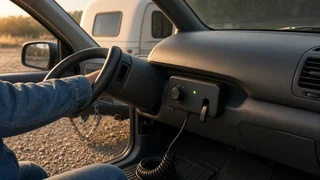
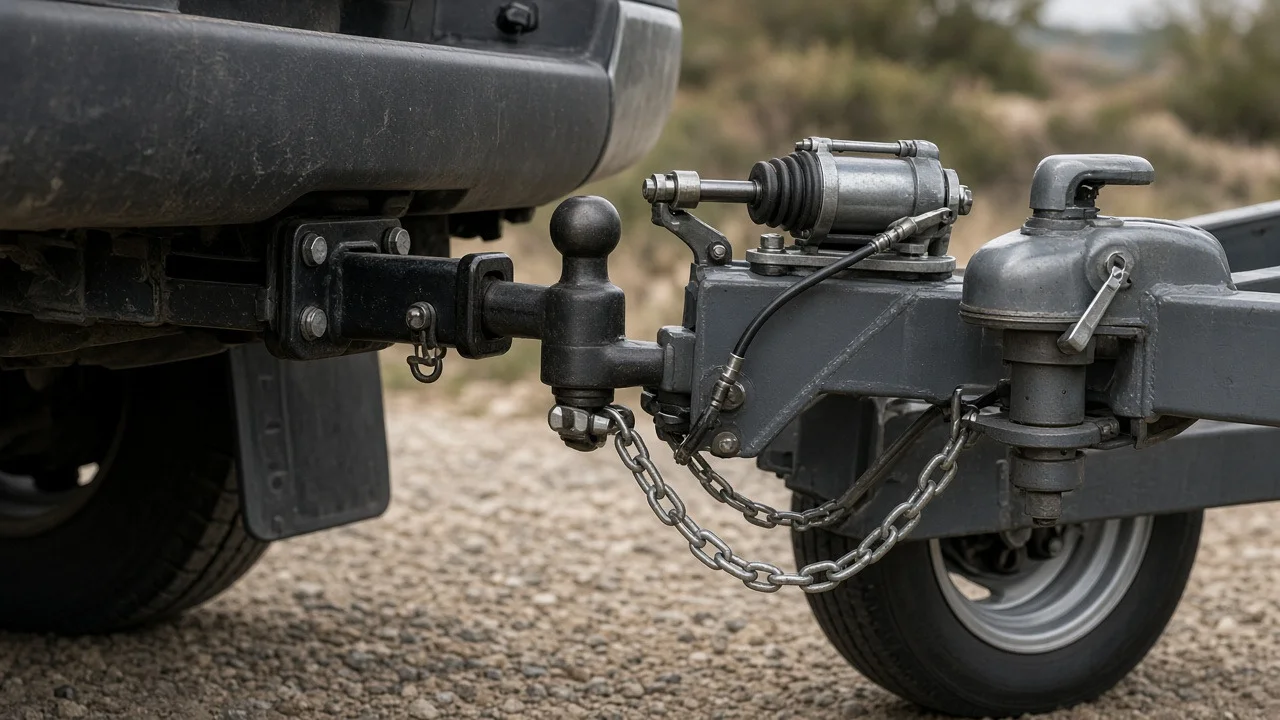
A hydraulic trailer brake controller is an in-cab module that sends a variable electrical command to a remotely mounted hydraulic actuator or pump. The actuator builds brake fluid pressure and applies the trailer drum or disc brakes in proportion to the tow vehicle braking demand. This setup is common where the trailer already has hydraulic brake components rather than an electric brake magnet assembly at each hub. The key choice is whether the controller can supply the actuator type on the trailer, such as a unit with a separate electric-over-hydraulic pump, and whether the controller output matches the actuator control voltage and brake fluid circuit design.
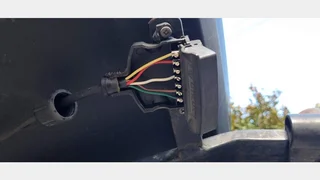
The immediate question is usually whether this controller will work with a given trailer. The answer depends on the trailer brake actuator, not only on the controller brand. A controller designed for electric trailer brakes will not produce hydraulic pressure, while a hydraulic controller may need a specific actuator interface. Confirm the trailer axle brake type, the number of brake lines, and whether the trailer uses a breakaway battery or dedicated power feed. If the trailer has an electric-over-hydraulic actuator already installed, the in-cab controller must be compatible with that actuator rather than commanding hydraulic pressure directly from the cab.