How to Weld Safety Chains on a Trailer
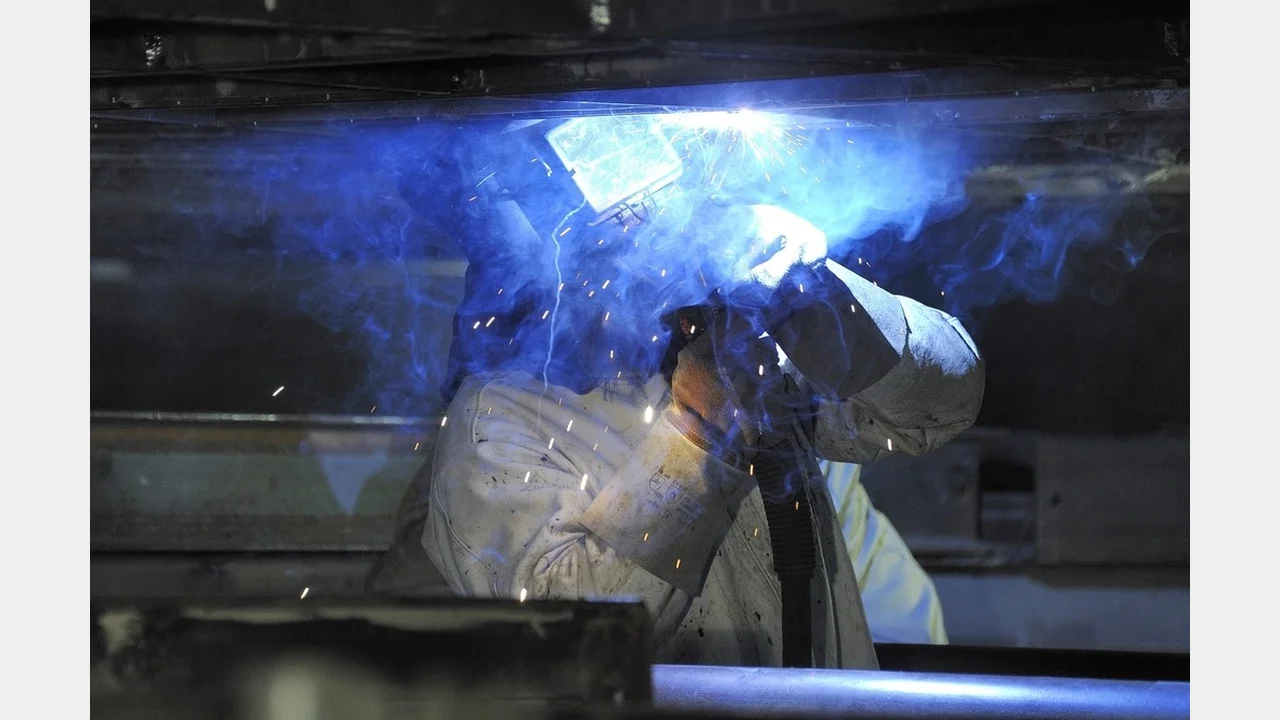
Welding safety chains onto a trailer is a structural repair that affects how the trailer behaves if the coupler separates from the hitch ball. The goal is to create attachment points that can absorb a sudden jerk without tearing the tongue or weakening the surrounding steel. Because the chain system complements the coupler rather than replacing it, the welded mounts must match the trailer's tongue configuration, material thickness, and the combined weight rating of the loaded trailer. The following guidance explains where the welds belong, how they interact with trailer loads, and what conditions make the job safe to attempt.
Direct answer
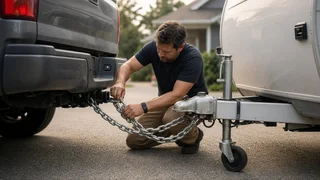
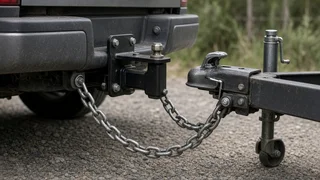
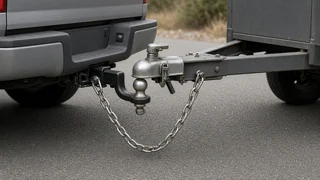
Safety chains should be welded to the trailer tongue or a substantial frame member, never to a thin bracket, the coupler latch, or a light sheetmetal skin. The welded anchor needs full perimeter contact against clean, unpainted steel that is thick enough to carry the trailer's gross vehicle weight rating, including the inertial spike caused by a breakaway event. Positioning matters: the chains should cross beneath the tongue and reach the tow vehicle's chain loops with enough slack for turns but not enough to drag on the road. A short, sturdy weldment gusset or plate is generally better than a long cantilevered tab because it reduces leverage on the weld during a pull.
Welding changes the trailer's existing steel, so the work is only a direct solution when the tongue has sound, rust-free material and the person doing the job can produce a penetrating weld in the required position. If the frame is lightly built, galvanized, or already cracked, welding may not be the correct repair. In those cases, a bolt-on chain attachment rated for the trailer's configuration can avoid heat damage and preserve the original plating. The decision should follow the trailer's construction and the planned payload, not simply the presence of a welder.
How to proceed
Begin by confirming the trailer's loaded weight against its axle rating, tongue weight, and gross vehicle weight rating. Park the trailer on level ground, chock the wheels, and disconnect it from the tow vehicle so the tongue is stable and free of tension. Remove paint, grease, and rust from the weld zone on both the chain anchor and the tongue until bright steel is exposed. Fit the anchor with clamps or a magnetic square, keeping the chain slot low enough to cross under the coupler without interfering with the jack, brake lines, or wiring. Check that the final chain angle will not bind at full steering lock of the tow vehicle.
Tack the anchor on opposite sides first, then inspect the alignment before completing the welds. Work in short passes to control distortion, and let the area cool between passes so the heat does not draw the tongue out of line. After cooling, wire-brush the weld and inspect for undercut, porosity, cracks, or incomplete fusion at the edges; a smooth bead alone does not prove penetration. Attach the chains and pull them taut by hand in different directions to verify that the weld does not flex the plate. If any doubt remains about material thickness, weld quality, or the trailer's combined weight rating, have a qualified welding or trailer service inspect the result before towing.