How to Tell If a Trailer Brake Controller Is Bad
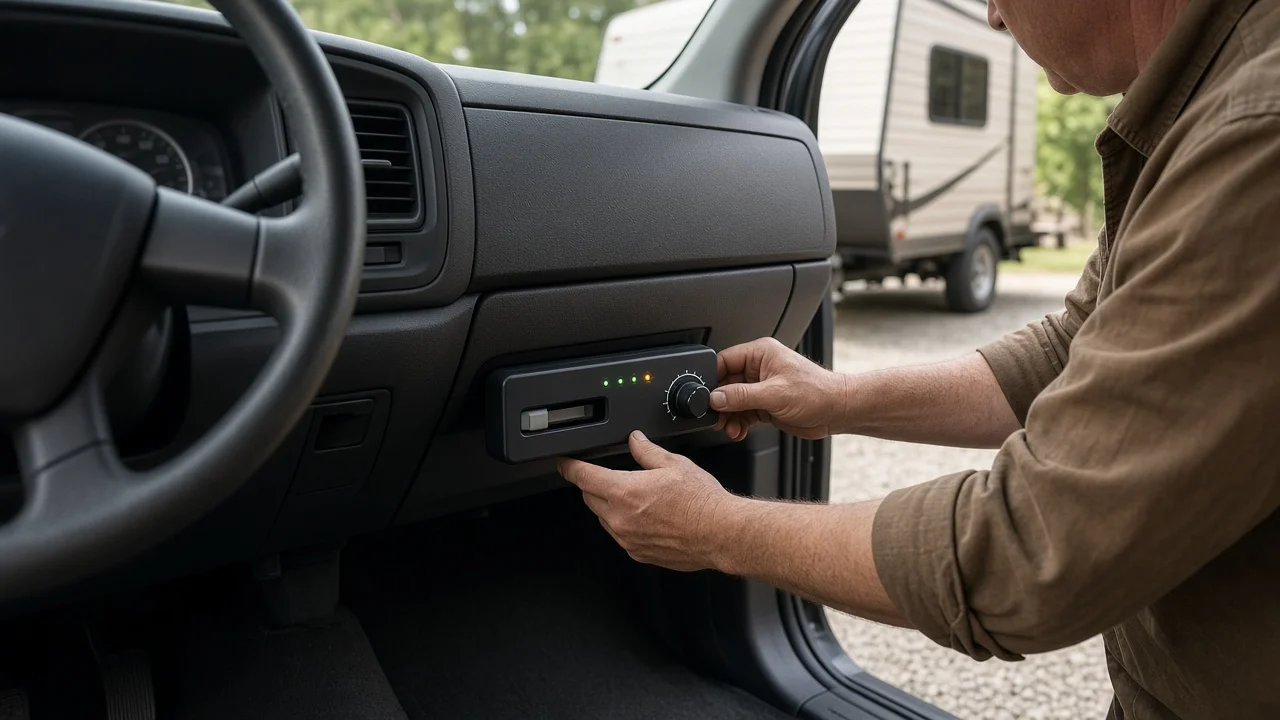
A failing trailer brake controller often feels like inconsistency: the trailer may lag, grab suddenly, or fail to respond when the tow vehicle slows. The controller translates brake pedal pressure into an electrical signal that activates the trailer brakes, so fault symptoms usually appear at the hand control, display, or during a rolling test. Because several wiring, adjustment, and component issues can mimic a bad controller, diagnosis should begin with readily observable signs and move toward controlled checks. Confirming the defective part before replacement avoids unnecessary cost and helps rule out problems in the trailer brake magnets, connectors, or vehicle-side circuit.
Direct answer
A trailer brake controller is considered bad when it no longer sends a usable braking signal, shows persistent error behavior, or cannot hold its settings after power is restored. The clearest indication is a total loss of trailer braking that cannot be traced to the trailer wiring, battery feed, ground, or brake magnets. Intermittent engagement, a display that remains blank with verified power and ground, or a manual override that produces no braking effort are also strong signs the controller itself has failed rather than the trailer foundation brakes.
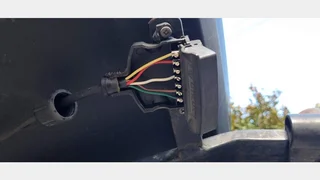
However, one symptom alone is rarely conclusive. A controller may shut down or reduce output because it detects a short in the blue brake output wire, a poor trailer ground, or an open circuit at a magnet. Before condemning the unit, check the condition of the 7-way connector, clean corrosion from the terminals, and confirm the vehicle socket has battery voltage and a solid ground. A fault code or warning is an interpretation aid, not proof that the controller has failed, because it can reflect an external circuit problem the controller is reporting.
How to proceed
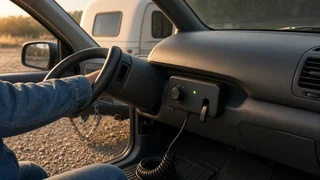
Start with a visual inspection while the vehicle and trailer are parked safely and the key is off. Look at the controller display or indicator for normal power-up behavior, and inspect both ends of the trailer connector for bent pins, green corrosion, or melted insulation. If the unit uses a gain setting, confirm the adjustment is not at zero and that the trailer type or brake mode has not changed accidentally. A step-by-step check of the vehicle socket with a circuit tester can verify that the brake signal terminal receives voltage when the brake pedal is pressed or the manual override is applied.
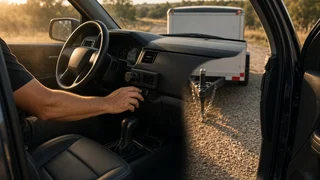
When the wiring checks are sound, perform a low-speed rolling test in an empty area with the trailer straight and no traffic behind. Apply the manual override gradually and feel whether the trailer brakes create a smooth retarding force. No response, accompanied by normal vehicle brake operation and power at the controller, points strongly to the controller. If the trailer brakes pulse, lock early, or drag after release, recheck the gain setting and trailer brake adjustment before replacing components. Work involving brake magnets, drums, rotors, calipers, friction material, wear limits, or brake fluid should follow vehicle and trailer manufacturer guidance or be left to qualified service when safety-critical disassembly is required.