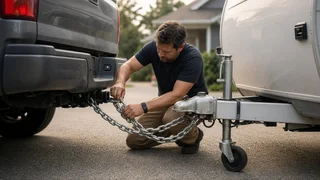
How to Shorten Trailer Safety Chains
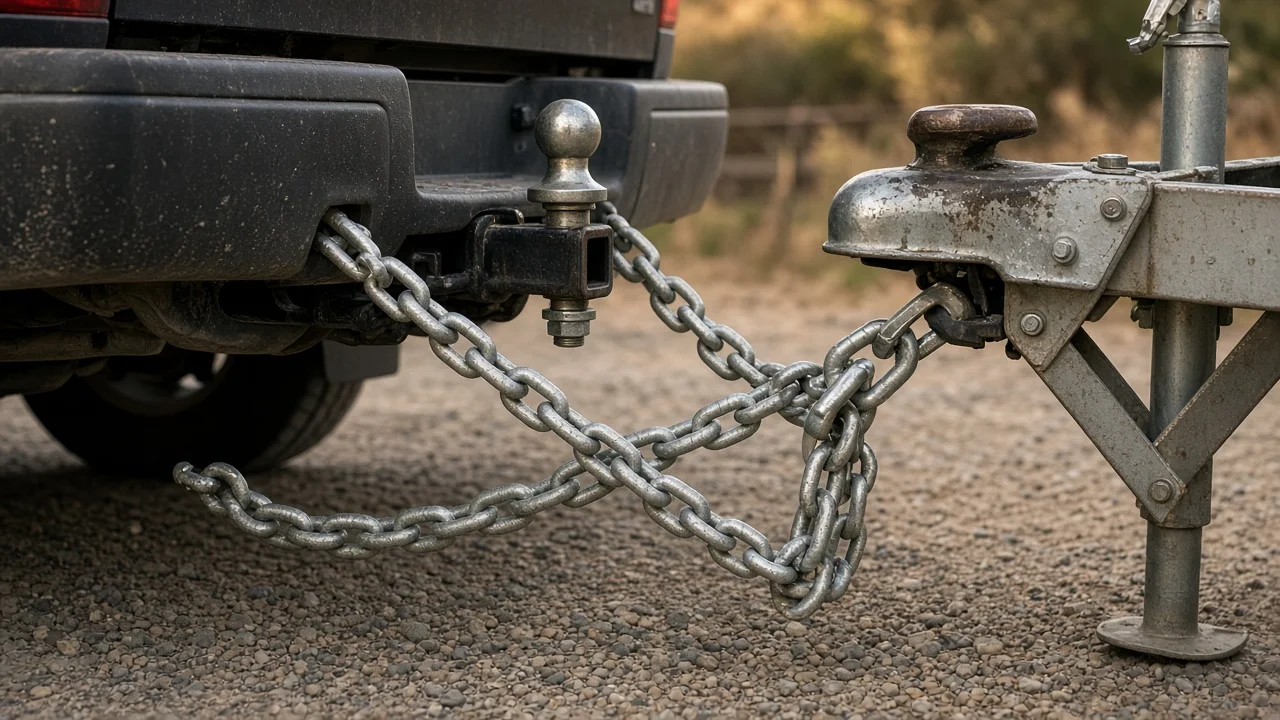
Shortening trailer safety chains is often necessary when a replacement coupler sits farther forward or a new tow vehicle’s hitch receiver places the attachment point closer to the ball. Many owners discover that overly long chains can drag across pavement, catch on road debris, or fail to remain tight if the coupler separates. The practical fix is to remove a measured section near one end and reattach the shortened length with a new hook or a properly rated screw-pin anchor shackle. Weight ratings, tongue load, and the final crossed-chain configuration all influence how the result should look.
Direct answer
You can shorten trailer safety chains by cutting excess links and reattaching the end hardware using a weld rated for the chain grade or a mechanical connector with a working load limit that meets the trailer’s gross vehicle weight rating. Cutting in the middle is not recommended because it creates an open loop that still needs a rated termination. Instead, remove links from the end where the hook or shackle is attached, then secure a replacement hook or a forged clevis with the correct diameter pin.
The amount to remove depends on how the chains hang under the crossed pattern behind the coupler. They should support the tongue if it drops but still allow full turning without binding. A slight sag is acceptable, while dragging is not. Because the chains are a secondary connection system, the repair must preserve enough strength for the trailer’s loaded weight, not simply for the empty trailer’s axle rating.
How to proceed
First, confirm the trailer is parked on level ground with the coupler latched to the hitch ball and the tongue jack lowered enough to take tension off the chains. Mark the link where the hook or shackle pin passes through, then determine how many links must come out before the lower loop hangs just above the pavement. The crossed chains should allow the tongue to drop into the crossed pattern if the coupler separates, so do not remove so much material that the chains become bar-tight in a turn.
Once the link count is marked, cut through the marked link with an angle grinder or bolt cutter, then deburr the cut edge. Attach the new hook or screw-pin shackle through the next intact link and secure the pin according to the connector’s design. After the pin is tightened, pull sharply on both chains and swing the tongue through a full arc with the tow vehicle to verify there is no binding. Inspect every altered termination for cracks or deformation before towing.