How to Seat a Semi Truck Tire Bead
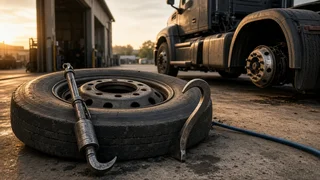
Seating a semi truck tire bead means forcing the tire’s outer edges onto the wheel rim so the casing can hold air and support the load. The problem often appears after tire replacement, a roadside repair, or when a deflated casing has slipped inward toward the drop center. Heavy ply commercial tires are stiff, and the bead may sit a fraction of an inch away from the rim flange while compressed air escapes. The fix requires controlled air volume, proper lubrication, and careful positioning so the expanding casing climbs the rim seat instead of blowing outward.
Direct answer
To get a semi tire back on the bead, first inspect the wheel and casing for damage, then lubricate both bead surfaces and the rim contact area. Position the assembly so the bead is as close to the rim flange as possible, and introduce a high-volume air supply with the valve core removed. The sudden rush of compressed air expands the tire rapidly and pushes each side outward until the bead pops onto the rim seat. On a stiff truck tire, this often requires more airflow than a small shop compressor can deliver.
The result is only reliable when the tire makes an even contact ring around both rim flanges. If one section remains low, deflate gradually, reposition the casing, and repeat the inflation. A manufacturer-dependent wheel design or a damaged bead bundle may prevent seating at normal shop pressure. In that case, stop before exceeding safe pressure and use a controlled seating aid or qualified truck tire service equipment rather than continuing to add air.
How to proceed
Begin with the wheel secured so it cannot roll or fall while the casing moves. Remove the valve core to permit maximum airflow, and verify the tire is centered on the rim. A suitable tire lubricant or mild soap solution on the bead toe and rim shelf reduces friction. Connect a high-volume air line with a locking chuck, stand away from the sidewall, and charge the supply tank. The tire should jump outward quickly as air enters; keep hands and body clear of the rim flange during this expansion.
When the bead contacts the rim seat, reduce pressure, reinstall the valve core, and inflate in stages to the vehicle manufacturer’s recommended operating pressure, not to an arbitrary figure. Watch for an even indicator line around the rim and listen for a sharp seating pop at each side. If the tire seats crooked, deflate it fully before repositioning. A casing that has been run flat or exposed to severe sidewall stress may need replacement or inspection before returning to service.