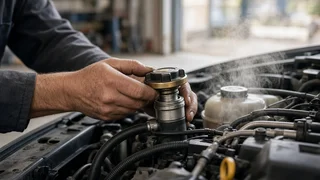
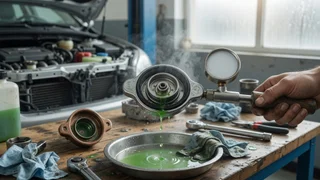
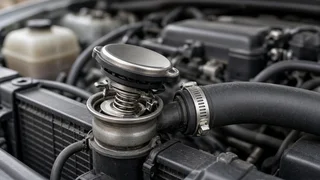
How to Pressure Test a Cooling System Without the Radiator Cap
Pressure testing a cooling system without the radiator cap is a practical way to find leaks, a failing pressure cap, or a weak point in the cooling circuit when the original cap is damaged, missing, or being tested separately. The goal is to pressurize the closed system to its normal operating range and watch for pressure decay or visible coolant loss. This approach helps identify problems such as coolant concentration issues, trapped air pockets, a stuck thermostat, or radiator and hose leaks. Because the fill neck design and cap type vary between vehicles, the test setup must match the specific cooling system rather than borrowing one vehicle’s fitting for another.
Direct answer
The essential answer is that you can pressure test a cooling system without the radiator cap by using a cooling system pressure tester with an adapter that fits the radiator or coolant reservoir fill neck. The tester replaces the cap, allowing you to pump the cooling circuit to a safe test pressure and monitor the gauge. Many testers include multiple adapters for different neck shapes, and the correct adapter must seal tightly against the sealing surface where the pressure cap normally sits. Without that seal, the test only shows pressure escaping around the tester, not the condition of the cooling system.
Before testing, the engine should be cool enough to touch, and the coolant level should be checked at the filler opening when the system is cold. A low level can hide a small leak because there is less liquid to push out, while trapped air pockets compress and make the gauge drop slowly even when no liquid leak exists. The test pressure should remain conservative and should not exceed the range marked on the pressure cap or the service information for the vehicle. The goal is to hold pressure and observe the gauge, the ground beneath the vehicle, and the exterior of hoses, the radiator, and the heater core connections.
How to proceed
Begin by identifying whether the vehicle uses a radiator-mounted cap, a remote coolant reservoir cap, or a sealed radiator with a pressurized reservoir. The adapter must fit the opening that accepts the pressure cap. Remove any residual pressure only when the engine is cold, then attach the tester firmly to the fill neck. Pump the tester slowly until the gauge reaches the specified test pressure. If the specification is unknown, a moderate pressure below the cap’s typical rating is a safer starting point than guessing a high value.
Watch the gauge for several minutes. A slow steady drop often indicates a small external leak or a leak inside the heater core, while a rapid drop may point to a split hose, a cracked radiator tank, or an adapter that is not sealing. Keep hands and clothing away from the fan and hot surfaces, and wipe suspected wet areas dry before pumping again so a fresh leak is easier to spot. If the system will not hold any pressure and no external liquid appears, the leak may be internal, such as into a combustion chamber through a head gasket, which requires further diagnosis.