How to Park Near a High Curb Without Wheel Damage
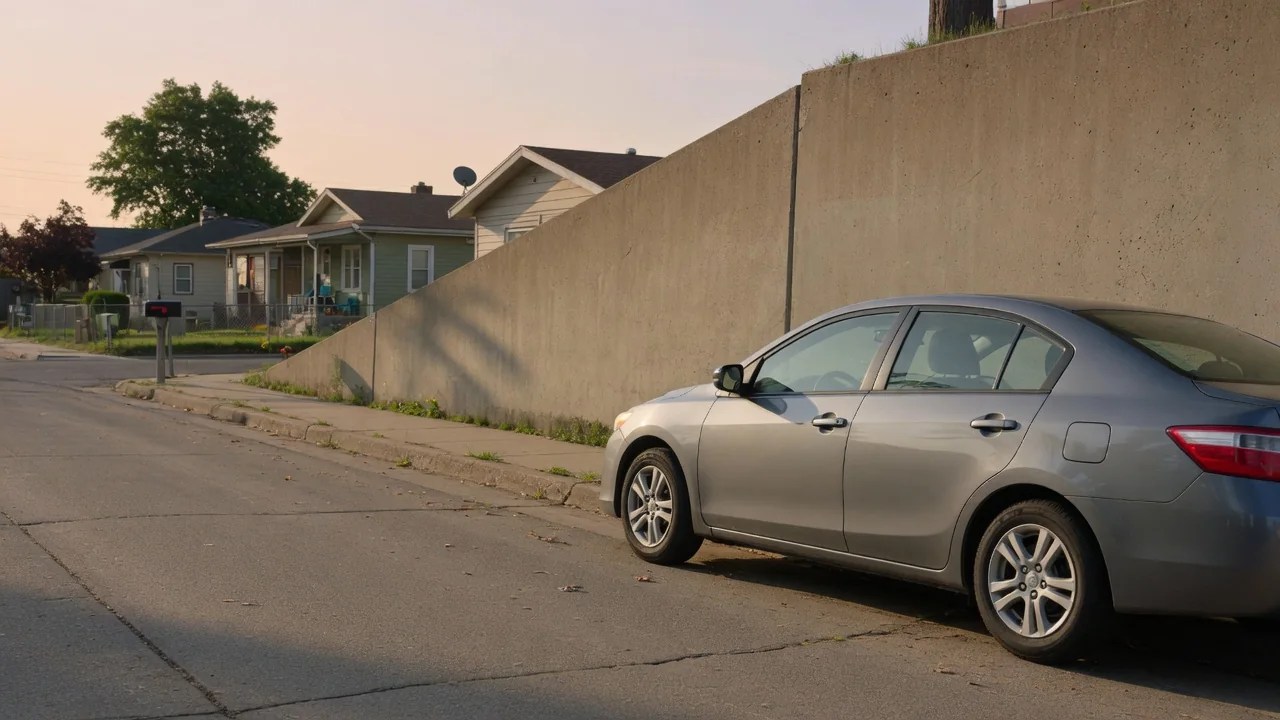
Learning how to park near a high curb without wheel damage comes down to patience and awareness of where the tire sidewall and rim edge sit relative to the concrete. A tall curb can scrape alloy finishes, pinch sidewalls, and even catch low bodywork. Slow positioning, good mirror use, and a deliberate stopping point protect the wheels on nearly any vehicle.
Assess curb
Before pulling in, take a moment to judge the curb itself. A high curb often rises above the tire sidewall and reaches the height of the rim lip, which is where most scraping happens. Look at the face of the curb as you approach: a vertical, square edge is far less forgiving than a sloped or rounded one. Broken concrete, protruding metal edging, and drain grates add risk, because they can catch a sidewall even when the main curb line looks clear.
Vehicle details change how much margin you have. Low-profile tires leave the rim sitting close to the outer edge of the tire, so the wheel can touch concrete before the rubber does. Taller sidewalls bulge outward and offer a small buffer, though they are not immune to pinching. Wheels that sit flush with or beyond the tire, low front bumpers, side skirts, and door bottoms that swing over the curb all deserve a quick look before you commit to the space.
Use mirrors
Mirrors give the clearest view of the gap between tire and curb. Tilting the passenger-side mirror downward lets you see the rear wheel and the curb line together, which makes the remaining distance much easier to judge than guessing from the driver's seat. Some vehicles tilt this mirror automatically in reverse, while others require a manual adjustment each time. Either way, return it to the normal driving position before rejoining traffic so your rearward view of the lane is restored.
Watch how the curb line moves in the mirror as you creep backward. A gap that narrows steadily and evenly suggests the car is coming in parallel, while a gap that closes quickly at the rear wheel means the approach angle is too steep. Cameras and parking sensors help where fitted, but lens distortion, dirt, and sensor blind zones near the ground vary by vehicle. Treat them as a second opinion alongside the mirror rather than a replacement for looking.
Stop before contact
The safest habit is to stop while a visible gap remains instead of using the curb as a touch point. Move at walking pace or slower, covering the brake so the car can halt the instant the gap looks tight. In an automatic, that usually means letting the car creep with light brake pressure; in a manual, it means careful clutch control. Speed matters because even gentle contact at an angle can grind the rim face along the concrete for several inches.
If the gap disappears faster than expected, stop, pull forward, and straighten out rather than forcing the last few inches. Turning the steering wheel while the tire is pressed against a curb can scuff or pinch the sidewall and drag the rim edge across the stone. A space of a few inches from the curb is generally neat enough for most parking situations, though local rules on maximum distance differ, so the goal is close and parallel rather than touching.
Everyday Use and Observations
With regular practice, most drivers develop reference points that make curbside parking repeatable. You might notice where the curb line appears against the lower edge of the door mirror or a point on the hood when the wheels are a comfortable distance away. These references are personal to each vehicle and seating position, so they need to be relearned after switching cars or adjusting the seat. Practicing along a low, forgiving curb builds that sense without putting the rims at risk.
Everyday conditions change what you can see. Rain, darkness, and wet mirrors hide the curb edge, while snow or leaves can disguise its true height and position. A fully loaded car may also sit lower, reducing bumper and sill clearance. After parking, a glance at the wheels while walking away confirms how close you actually ended up, and that feedback sharpens your judgment next time. Opening doors carefully matters too, since a tall curb can catch the lower door edge.
Limits and Next Steps
Careful technique has limits. Some curbs are simply too tall or too irregular for a particular car, especially one with wide wheels, very short sidewalls, or low bodywork. In those cases, leaving a slightly larger gap or choosing a different space is the sensible choice. Rim protector strips and tires with a raised protective bead can reduce cosmetic scuffing, but they do not prevent harm from a firm strike, and their fit and effectiveness depend on the specific wheel and tire combination.
If contact does happen, inspect the wheel and tire before driving on as normal. Light scratches on the rim face are usually cosmetic, but a bulge, cut, or gouge in the sidewall, a bent rim lip, or a tire losing pressure deserves prompt attention from a tire professional. A steering wheel that sits off-center, a new vibration, or the car pulling to one side afterward may point to alignment or suspension concerns, which should be checked by a qualified shop rather than assumed harmless.