How to Lock a Trailer Hitch to the Ball
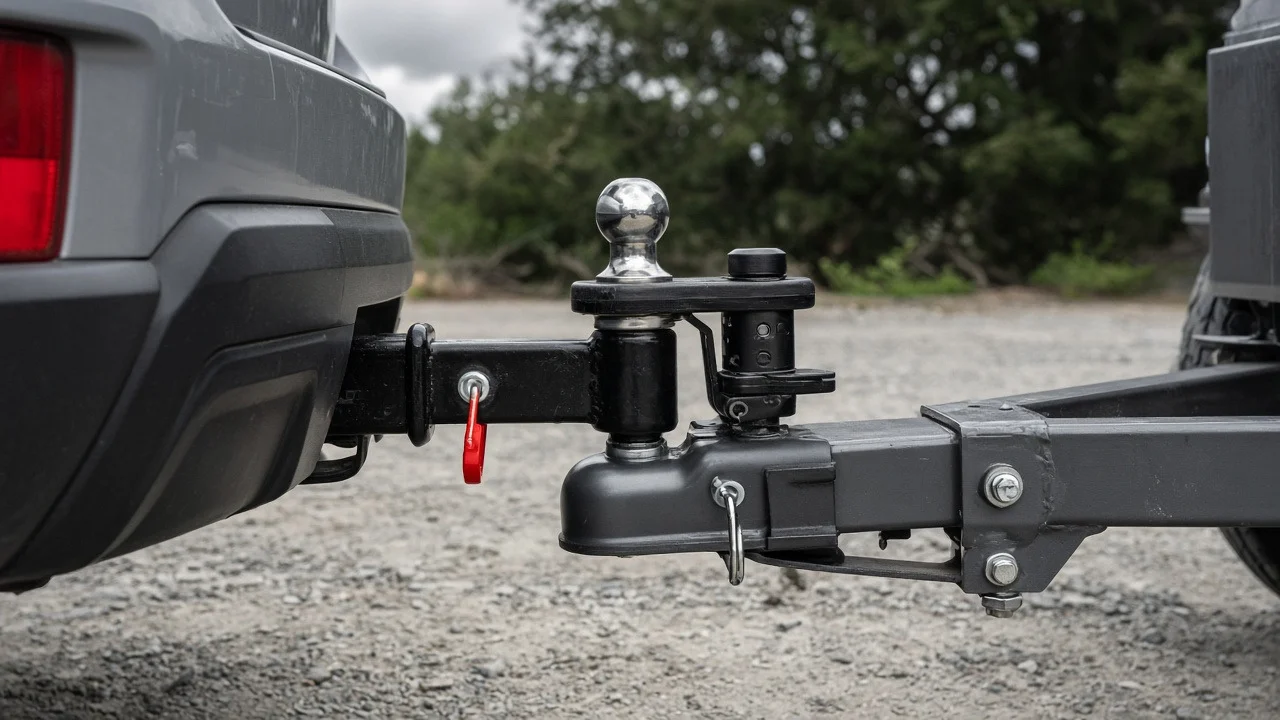
Locking a trailer hitch to the ball prevents the coupler from lifting off while parked or during a quick stop. The core answer is to seat the coupler over the ball, close the latch, and add a locking pin or coupler lock that blocks the release handle. A mechanical deterrent slows theft and tampering, but no inexpensive lock is absolute. This guide explains the correct installation position and the checks that matter before towing.
Direct answer
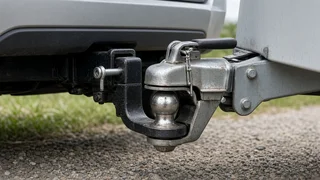
To lock a trailer hitch to the ball, first lower the coupler fully onto a correctly sized trailer ball, close the coupler latch, and insert the locking pin or padlock through the latch's retaining hole. The lock must prevent the release handle from rotating upward, so the ball clamp cannot loosen. This action converts a simple closed coupler into a theft-resistant connection while the trailer is parked or unattended.
A matching lock style matters because some couplers use a small drilled pin hole while others need a U-shaped hasp or a locking lever cap. The ball shank size should match the coupler stamping so the fitted ball cannot rock or bind. Correct vehicle compatibility and installation position keep the mechanical deterrent effective, while a separate electrical isolation arrangement can discourage someone from simply pulling the trailer away with its lights disconnected.
How to proceed
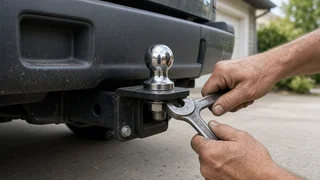
Start on level ground with the tow vehicle in park and the parking brake set. Chock the trailer wheels if there is any slope. Raise the coupler with the trailer jack, align the coupler socket directly over the ball, and lower it until the socket seats fully. If the latch does not close with moderate hand pressure, stop and inspect for rust, a mismatched ball diameter, or a coupler jaw that is not fully open.
Once the latch snaps down, insert the locking pin or padlock through the designated hole and confirm the lock body blocks the handle from lifting. Pull up on the tongue and listen for movement or rattle; a seated coupler should feel snug but not bound. Connect safety chains and test the trailer lights before towing. If electrical isolation is part of the theft-prevention plan, park with the connector unplugged only where doing so is safe and legal.