How to Drive a CVT Car
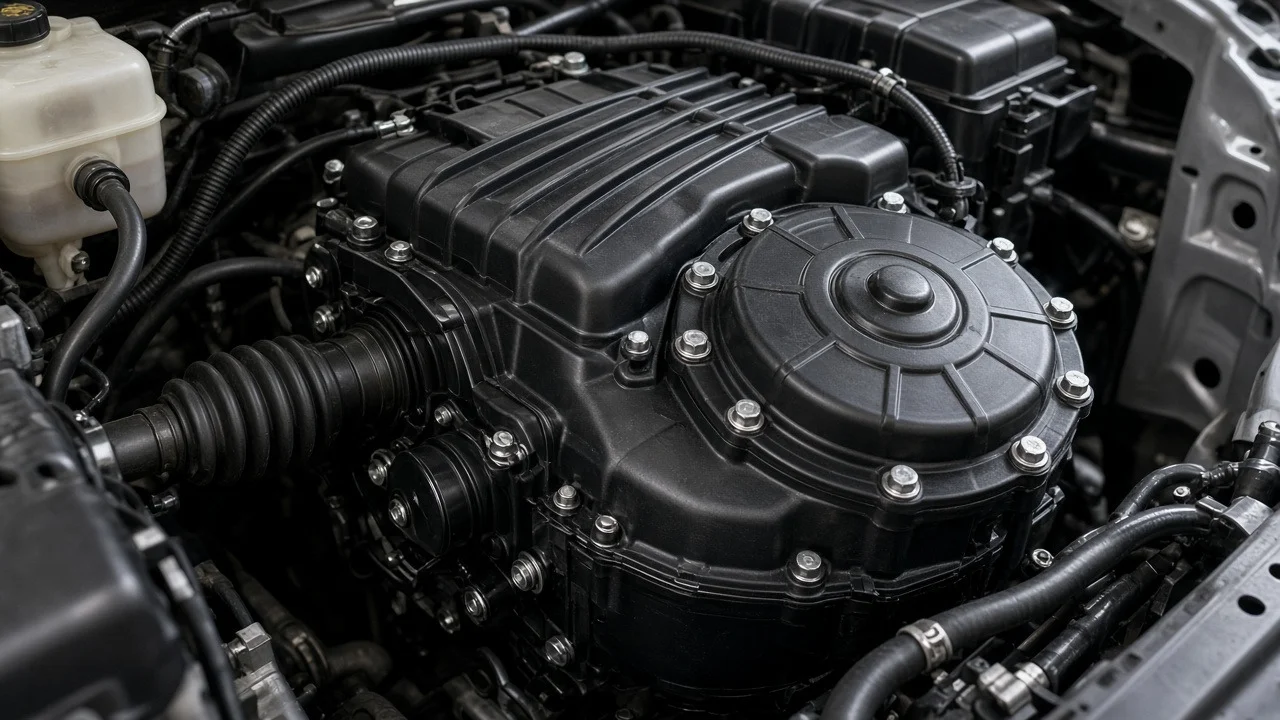
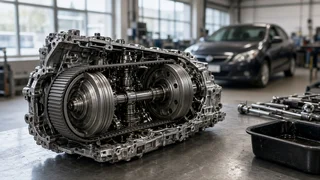
Driving a car with a continuously variable transmission, or CVT, calls for a slightly different touch than operating a conventional automatic or manual gearbox. Instead of stepping through fixed ratios, the transmission constantly adjusts its drive ratio to keep the engine in an efficient operating range. This design can feel smooth and almost seamless once you understand how the accelerator and shifter respond. The essential answer is that you drive a CVT much like any automatic, but you should apply throttle progressively, avoid abrupt or sustained maximum-load launches, and recognize that steady engine rpm during acceleration is normal rather than a sign of slipping.
Direct answer
The core technique for how to drive a car with CVT transmission is to treat the accelerator as a request for road speed rather than as a command for a downshift. With your foot on the brake, move the selector into Drive; the vehicle may creep forward like a traditional automatic. Apply the gas gently and hold a consistent pedal position while the transmission varies its pulley ratios to accelerate the car. You do not need to lift off the throttle to help it change gears. The tachometer may hold near one engine speed while the vehicle gains momentum, which is the CVT selecting an appropriate ratio for the demand.
The same shifter positions you expect are usually present: Park, Reverse, Neutral, and Drive, with some models adding Low or Sport modes. Those extra positions do not create manual gears but may hold a deeper ratio or simulate steps for engine braking on hills. Abrupt stabs at the accelerator can produce a rubber-band feel because the engine revs before road speed catches up. A smoother pedal input helps the control unit match engine output to the desired acceleration, reducing noise and wear. Most normal street driving requires no special procedure beyond smooth, deliberate throttle use.
How to proceed
Begin by starting the engine with the brake firmly applied and the selector in Park or Neutral. Keep the brake pedal pressed while moving the lever into Drive, then release the brake gradually to confirm the creep function engages without harshness. Accelerate by pressing the pedal in one steady motion, avoiding the habit of pulsing the throttle as you might with a geared automatic to prompt a shift. When merging onto a highway, use a continuous increase in pedal pressure; the transmission will hold the engine in its power band while the vehicle builds speed. On long climbs, Low mode can provide better holding power and reduce constant ratio hunting.
During deceleration, lift off the throttle smoothly before braking so the CVT can transition from driving ratio to engine braking predictably. When stopped for more than a brief pause, keep the brake applied and leave the selector in Drive; there is no need to shift to Neutral at traffic lights. For parking, come to a complete stop, hold the brake, engage Park, and apply the parking brake before releasing the foot brake on an incline. If the vehicle shudders, flares excessively, or hesitates to move from a stop, have the transmission inspected because those behaviors can point to fluid condition, software calibration, or wear rather than a normal characteristic.