How to Convert a Ball Trailer Hitch
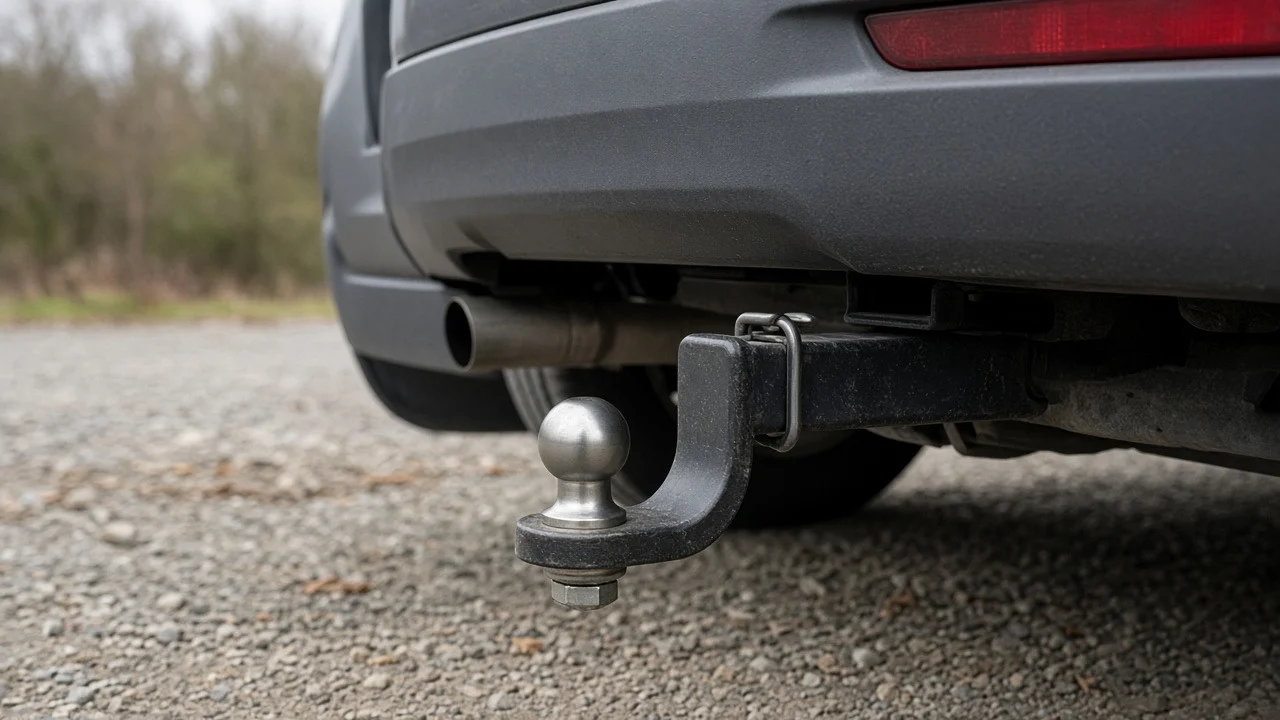
Converting a ball trailer hitch usually means changing the hitch ball size, adjusting the ball mount height, or switching the mount's configuration to match a different trailer coupler. The task is straightforward on most receivers, but the correct method depends on whether you are replacing a worn ball, adapting between 1-7/8-inch and 2-inch couplers, or reorienting a ball mount to level the trailer. Payload, tongue weight, and the combined weight rating remain fixed by the vehicle and receiver, not by the ball itself. A safe conversion starts with confirming that the new components still support the trailer's loaded weight and coupler size.
Direct answer
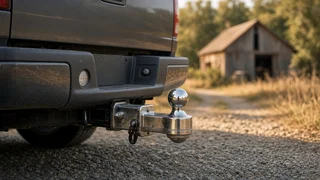
The essential answer is that you convert a ball trailer hitch by removing the existing ball or ball mount from the receiver tube and installing a replacement with the required shank diameter, ball diameter, rise, or drop. Most conversions involve a wrench on the ball nut or a hitch pin and clip on the mount. The condition that materially changes the work is the current setup: a fixed drawbar may only need a new ball, while a multi-ball mount allows switching between sizes without removing the base. If the trailer coupler size changes, the new ball must match that coupler exactly.
A ball mount that is turned over in the receiver changes a drop configuration into a rise configuration, which is one of the most common conversions for leveling a trailer behind a taller or shorter tow vehicle. This does not alter the receiver's structural capacity, gross vehicle weight rating, or axle rating. The hitch ball itself must have a shank that fits the hole in the ball mount and a maximum trailer weight rating that meets or exceeds the trailer's actual loaded weight. Verifying the coupler fit after assembly is the final check.
How to proceed
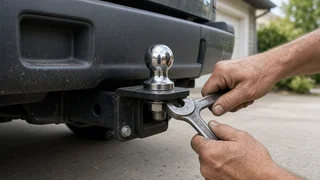
Begin by confirming the trailer's required ball diameter and the vehicle's receiver tube size. Park on a level surface and chock the trailer wheels if it is attached. Remove the hitch pin and clip from the receiver so the ball mount can slide out, or support the mount and loosen the ball nut from the underside. On many installations, the ball shank passes through the mount and is secured by a large nut and lock washer. Apply penetrating lubricant to corroded threads and use a breaker bar with the correct socket to avoid rounding the nut.
Install the replacement ball or mount by sliding the shank into the hole or the drawbar into the receiver. Align the hitch pin hole and insert the pin with the clip fully engaged. Torque the ball nut according to the manufacturer's printed specification on the new ball or packaging; do not guess, because an under-torqued ball can rotate or loosen under load. Check the tongue weight after the conversion by confirming the tow vehicle and trailer sit reasonably level with the coupler latched. If the coupler will not close completely over the ball, stop and select the correct ball diameter before towing.