How to Build Oil Pressure Before Starting an Engine
Building oil pressure before the crankshaft spins at full speed matters after an oil change, dry sump repair, long storage, or rebuilding an engine. Dry bearings and empty oil galleries cannot support load the way a primed lubrication circuit can. Pre-start oiling can be done by cranking with the fuel or ignition disabled, by using a pressure pre-lubricator, or by following a manufacturer priming procedure. The goal is to fill the pump, galleries, and bearing clearances so the first fired start does not begin with metal-to-metal contact. The methods below explain how to build oil pressure without allowing the engine to fire prematurely, and how long to keep cranking while watching the gauge or warning lamp.
Direct answer
To build oil pressure before starting, prevent the engine from firing, then crank it in controlled bursts while the lubrication system pulls oil from the pan and fills the pump and galleries. Disabling the ignition or fuel injection is usually the most practical approach, but it only works if the starter spins the crankshaft fast enough for the oil pump to prime. On many engines, a few 10-to-15-second cranking periods will move the gauge off zero, provided the oil filter and pickup are already wetted or prefilled and the correct fill quantity is in the sump. Cranking without firing should stop if pressure does not rise, because a dry pump may not self-prime under starter speed alone.
When a vehicle has been stored, had its oil cooler drained, or received a new long block, a pressure pre-lubricator is more effective than the starter. This tool pushes oil into a gallery or sensor port under pressure before the crankshaft rotates, which fills bearing clearances and reduces the risk of a dry start. The essential condition is that the lubricant specification and fill quantity match the engine design, and the level check must be completed first. If the pump is air-bound or the pickup screen is uncovered, cranking longer will not build pressure; the system needs priming at the pump or pressurizing at a port.
How to proceed
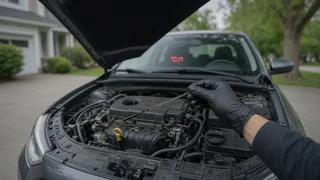
Begin with a level check and confirm the correct fill quantity for the sump, especially if an external cooler or remote filter adds capacity. Next, disable fuel delivery or ignition so the engine cannot start. A common method is removing the fuel pump fuse or relay, or disconnecting the low-voltage ignition coil connector, but the exact step depends on the vehicle equipment identification. Then crank the starter for about 10 to 15 seconds while watching the oil pressure gauge or warning light. Pause between attempts to let the starter cool, and do not repeat endlessly if there is no sign of pressure.
Because oil pressure readings can be delayed by an empty filter canister or air in the galleries, prefill the filter when its mounting angle allows, and consider filling through a pressure sensor port with a clean priming tool. If the engine uses a cartridge-style filter, follow the housing priming procedure in the manufacturer approval and service interval information. Stop cranking if the oil level drops unexpectedly, the battery voltage sags severely, or the starter begins to slow; those conditions indicate a possible hydraulic or electrical problem. Once the gauge shows pressure or the warning lamp goes out after a short delay, restore fuel and ignition and perform the first start with the idle speed kept moderate until pressure stabilizes.