How Many Throttle Bodies Does a Car Have
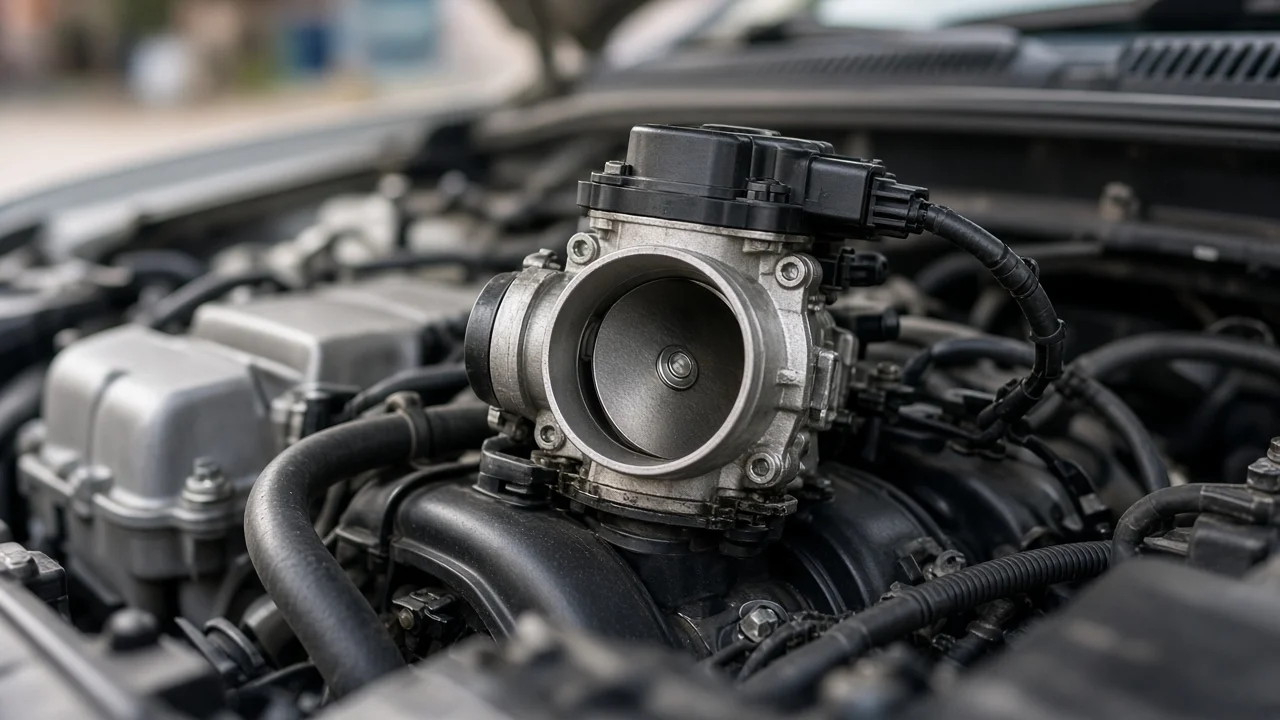
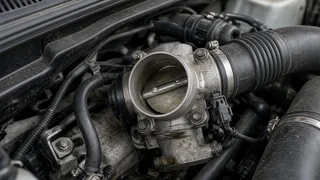
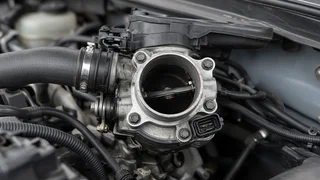
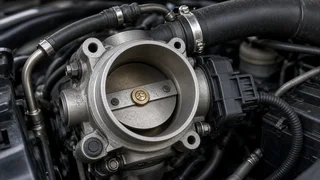
Most gasoline and diesel passenger vehicles use a single throttle body to regulate the air entering the intake passage. When someone asks how many throttle body in a car, the direct answer is usually one, though the full picture depends on engine design. The throttle body sits between the air cleaner and the intake manifold and uses a throttle plate to control airflow. Some performance engines, independent-runner layouts, and certain V-configuration or motorcycle-derived designs use more than one. Understanding this variation helps you interpret idle behavior, accelerator response, and even fault-code clues without assuming a failed part simply because the control signal or position sensor reports an unexpected value.
Essential answer
A typical production car has one throttle body. That single housing contains a pivoting throttle plate, and the powertrain control module adjusts the plate angle based on accelerator position, idle targets, and traction or stability requests. The throttle body is mounted so all intake air passes through the same metered opening before it divides among the cylinders inside the intake manifold. This shared intake passage simplifies idle adaptation because the engine management system needs to learn only one base airflow relationship and one throttle position sensor signal for the primary metering point.
Multiple throttle bodies appear mainly on engines designed for sharper response or individual cylinder airflow control. A V6 or V8 may still use one throttle body feeding a common plenum, but some high-performance or aftermarket systems install one throttle body per cylinder bank or one per cylinder. In those setups, each unit has its own throttle plate and often its own position sensor, and the control signal from the engine computer must coordinate several openings simultaneously. Air leakage, synchronization errors, or a single sensor fault can then affect only one bank or cylinder group rather than the whole engine.