How Many Safety Chains Are Required on a Trailer
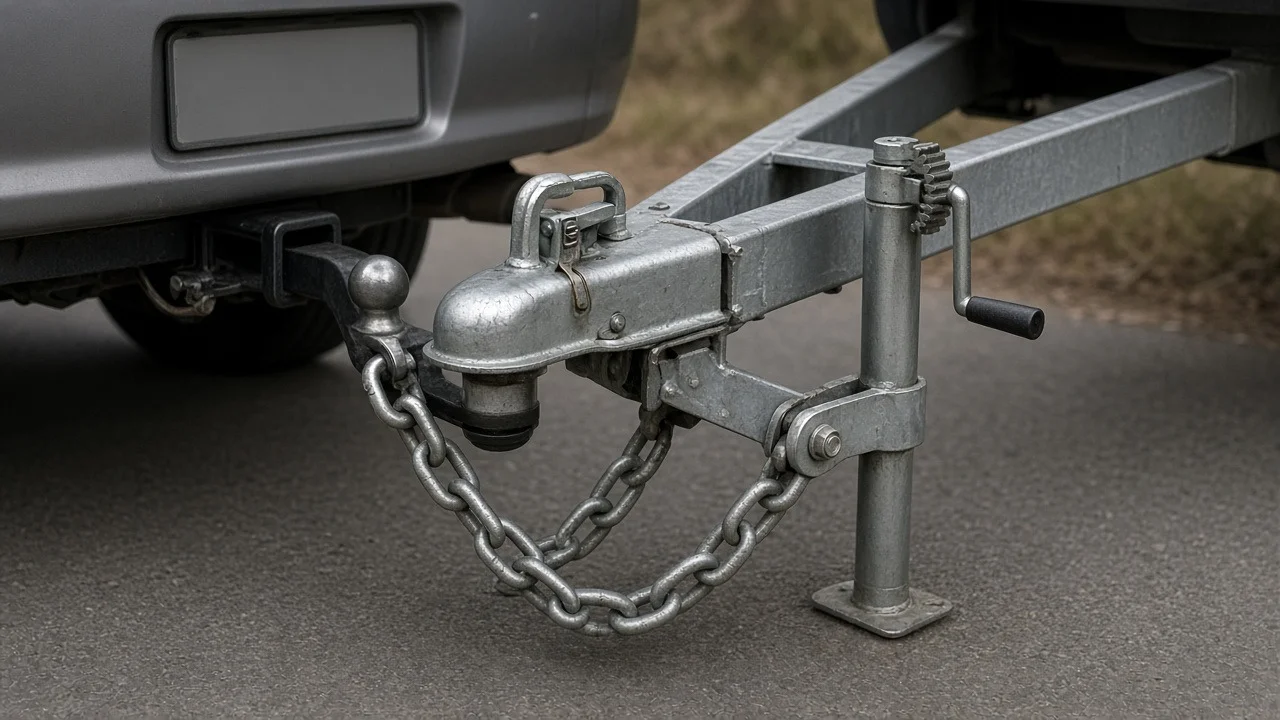
Towing safety depends on a connection that remains secure if the primary trailer coupling separates from the hitch ball. Safety chains are the mechanical backup that keeps the trailer attached to the tow vehicle long enough to slow down and pull over. The question “how many safety chains are required on a trailer” has a practical answer influenced by state rules, trailer configuration, and gross vehicle weight rating. Understanding the role of payload, tongue weight, and the combined weight of the combination helps explain why chain count varies and why proper attachment matters.
Essential answer
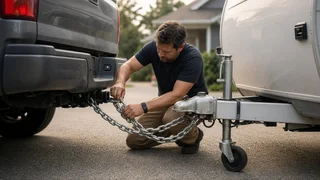
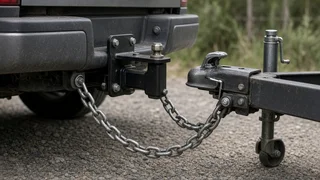
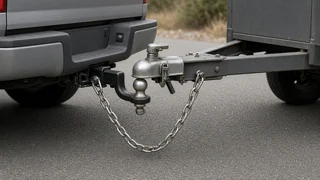
Most light-duty trailers in the United States require two safety chains, crossed beneath the trailer tongue as a cradle. The crossing arrangement helps catch the tongue if the coupler detaches from the ball, supporting it above the road surface instead of letting the tongue drop and dig into the pavement. Two chains also create a more stable connection during an emergency stop, because they distribute pulling force across both sides of the tow vehicle hitch structure instead of concentrating stress at a single anchor point.
A single chain is generally used only for specialized agricultural or industrial equipment where the trailer does not have a typical A-frame tongue or where the design connects to a drawbar in a way that a pair would interfere. Trailers built with a gross vehicle weight rating high enough to require a breakaway system still rely on two safety chains as the physical connection, while the breakaway switch applies trailer brakes if separation occurs. Axle rating, combined weight rating, and actual loaded tongue weight all influence the necessary chain strength, but the standard count for a conventional recreational or utility trailer remains two.