How Long Does It Take to Charge an Electric Car?
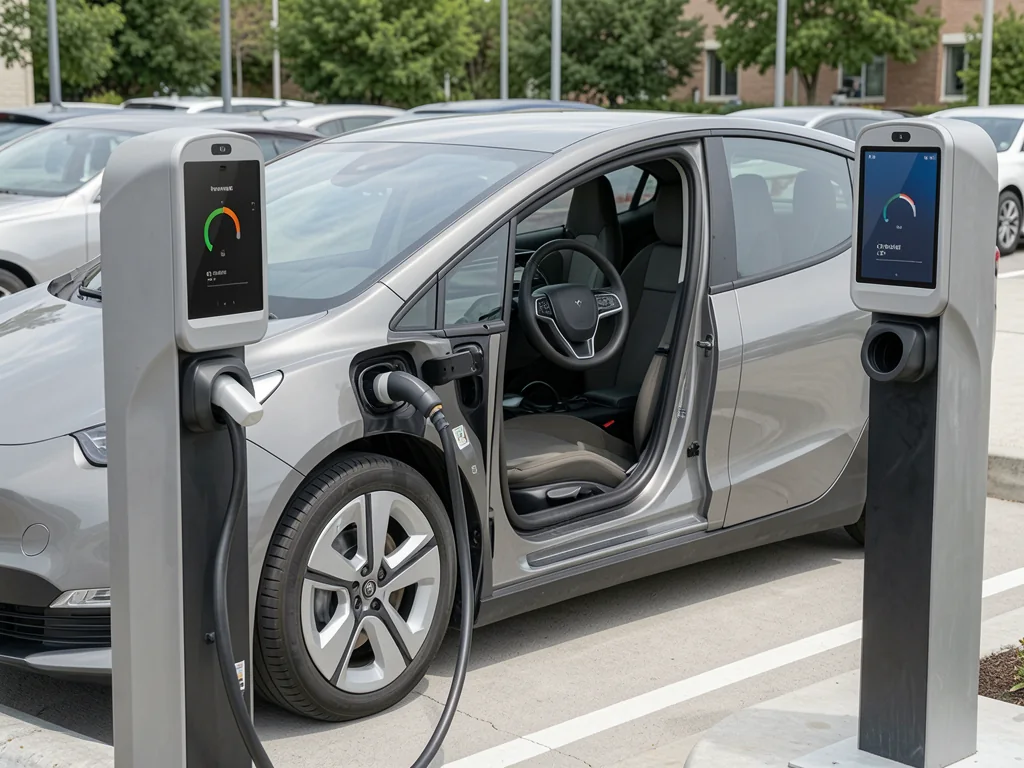
How long charging an electric car takes depends on the battery, the charger, and how much energy you need. Electric car charging duration at a public charging station can be a short DC stop or a multi-hour Level 2 session. There is no single average charging time for an electric car that covers every vehicle and refill. Planning around energy needed, charging power, and station conditions gives a more useful estimate than a one-size figure.
Typical Charging Times Depend on the Session
A substantial battery refill does not have one clock time. Level 1 charging from a typical household outlet can take one to several days for a large refill because delivered power is modest. Level 2 charging often takes roughly four to twelve hours for a similar jump in state of charge, though battery size and available power can push a session outside that window. Those ranges assume a meaningful refill, not a brief top-up, and they describe plug-in time rather than the whole station visit.
A compatible DC fast charging session from about 10 percent to 80 percent state of charge may take roughly 20 to 60 minutes under suitable conditions, with substantial variation by vehicle and station. Starting charge, target charge, and charging conditions all change the result, so a 10-to-80 session is not the same as a full charge. That is why there is no single meaningful average covering all EVs, charging levels, and refill amounts. Asking how long to charge an electric car at a charging station only makes sense once those session details are known.
Estimate Your Charging Time From the Energy Needed
Usable battery capacity is the kilowatt-hours the car can actually store for driving, which can be less than the pack's total size. Charging power is the rate energy is added, measured in kilowatts. Energy needed for a session is roughly usable capacity multiplied by the desired increase in state of charge. Adding 50 percentage points to a 60-kilowatt-hour usable battery requires about 30 kilowatt-hours. That energy figure, not the clock on the charger, is the starting point for estimating electric car charging duration.
At an average 7 kilowatts delivered to the battery, that 30 kilowatt-hour example is about 4.3 hours of charging. The arithmetic is a planning estimate, not a promise, because charger-rated power is not necessarily the average power the battery receives. Conversion losses, a warm or cold pack, and a changing charging curve all reduce or vary delivered power. In this example, the average charging time for an electric car is that energy divided by the actual average kilowatts reaching the pack, which can be lower than the stall's advertised rating.
What Determines the Charging Power Your Car Receives
The charging power your car receives is the lowest of several limits: the station's output, the vehicle's charging hardware, and the electrical supply feeding the stall. During AC charging, the onboard charger converts incoming current and sets how much the car can accept from a Level 1 or Level 2 source. DC fast charging bypasses that onboard charger and uses a separate vehicle charging limit. A high-rated public stall still cannot exceed what the car and the site supply allow, so two vehicles at the same station can charge at very different rates.
Battery temperature also changes charging power. A cold or hot pack may accept less current until it returns to a preferred range, which lengthens the session. Vehicles that support battery preconditioning can warm or cool the pack on the way to a DC station, helping the car start closer to its intended rate. Some sites share power among stalls, so occupancy reduces what each car gets. As state of charge rises, charging taper on the charging curve cuts power. Doubling the stall's rated kilowatts therefore does not guarantee half the session time.
Plan the Full Stop at a Public Charging Station
Before arrival, confirm the station's charging type, connector compatibility, and available power so the stall matches the car. How long to charge an electric car at a charging station is only part of the stop. Waiting for a stall, parking, payment or authentication, connecting the cable, and starting the session all add minutes. After charging begins, check the vehicle or station display for current power, state of charge, and estimated completion time. Those live numbers are more useful than a generic average charging time for an electric car.
A public Level 2 destination session may last hours while you shop, work, or stay overnight. A DC fast-charging stop usually targets the energy needed for the next leg rather than a full battery. If a session fails to start, try another compatible connector when one is available, or contact station support rather than forcing the handle. Avoid visibly damaged charging equipment. How long does charging an electric car take at a public site then becomes plug-in time plus those extra steps, which is why dwell time and charging duration are not identical.
Understand Advertised Fast-Charging Times
The fastest charging time for an electric car is an advertised figure that applies to specified vehicles, charging windows, station capabilities, and battery conditions. It is not a universal clock for every public stall. Any charging-time claim should identify its starting and ending state of charge. A 10-to-80 percent window is a partial refill, not a full charge, and treating it as one will understate a trip to 100 percent. Without those endpoints, a headline minute count cannot be compared with another vehicle or another session.
A brief peak charging rate is also not the average rate sustained throughout the session. The charging curve often starts high, then tapers as the battery fills. Charging toward 100 percent can add substantial time because power drops sharply in the last portion. Select a target based on the remaining trip and the vehicle's own guidance rather than habitually filling to the top at a busy DC site. That choice, more than the stall's peak kilowatt number, often decides whether the stop stays in the 20-to-60-minute planning band.
Set a Realistic Departure Time and Recognize Problems
Use the vehicle's live completion estimate after charging power has stabilized, then add a practical buffer for changing conditions. Scheduled charging, a configured charge limit, or cabin climate use can delay when the battery reaches the intended target even if the cable is connected. A limit set below 100 percent will finish earlier; preconditioning the cabin while plugged in uses energy that might otherwise stay in the pack. Departure time should follow that live estimate, not a remembered average charging time for an electric car from a different day or stall.
If a session is unexpectedly slow, note displayed power, battery percentage, ambient conditions, and any station status message before assuming a failed part. Low power on a shared stall, a cold pack, or a high state of charge can all look like a problem when they are normal charging-curve behavior. Contact station support for equipment errors. For persistent charging faults across suitable working stations, seek professional vehicle diagnosis. Charging speed alone cannot establish battery health, and a warning or fault message is evidence to interpret, not proof that a specific component has failed.