How Long Does a Serpentine Belt Last and When Should You Replace It?
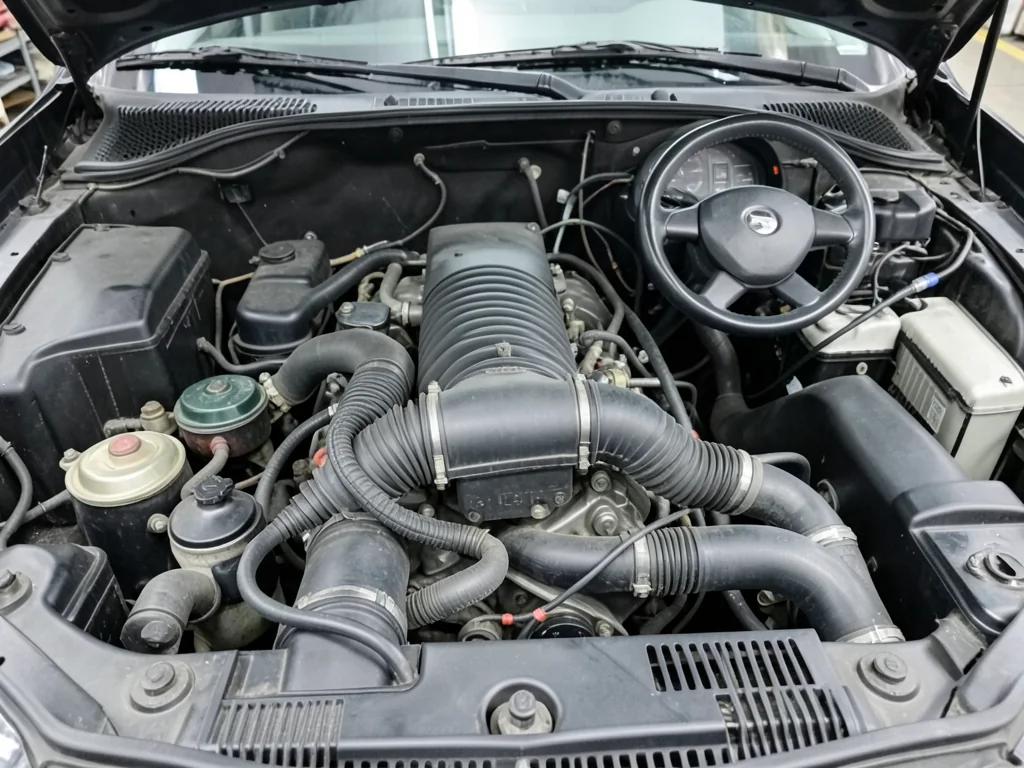
A serpentine belt, also called an accessory drive belt, does not last a fixed number of miles or years on every vehicle. How long a serpentine belt lasts depends on design, heat, rubber aging, and the condition of the rest of the accessory drive. Knowing when to replace a serpentine belt means combining the maintenance schedule with what the belt actually looks like, not a single universal deadline.
What determines how long a serpentine belt lasts?
The lifespan of a serpentine belt is shaped by how the accessory drive is laid out, how the belt is tensioned, and the environment it works in. Repeated flexing around pulleys, engine heat, and gradual rubber aging all reduce the belt's ability to grip and stay intact. Accessory drive belt life also tracks the health of related parts: a weak belt tensioner, a worn idler pulley, or misalignment can shorten service far sooner than calendar age would suggest.
An expected serpentine belt lifespan is a planning range, not a guaranteed replacement deadline. How long a serpentine belt should last on a given car still depends on that vehicle's belt design and operating conditions, so a belt can need attention before any scheduled service point. How often a serpentine belt needs to be replaced is therefore not a universal mileage or year limit. Treat interval guidance as a starting point, then confirm condition rather than assuming the accessory drive belt is still sound because a date has not arrived.
Find the mileage and time guidance for your vehicle
The place to find serpentine belt replacement interval information is the vehicle's maintenance schedule, not a generic rule of thumb. That schedule may call for accessory drive belt inspection, replacement, or both, and it may list mileage, months, or years. An inspection interval does not automatically mean it is time to change the serpentine belt at that mileage. How often you should replace a serpentine belt on your vehicle is the interval the manufacturer wrote for that model, applied to the belt actually installed.
When the manufacturer specifies both a mileage and a calendar limit, apply both and use whichever comes first if that is the instruction in the book. How often to replace the serpentine belt then follows that dual limit rather than mileage alone. Where the schedule asks only for inspection without a fixed replacement interval, documented condition decides when you should change a serpentine belt. Service history notes, prior inspection findings, and what a technician sees on the ribs and edges matter more than picking a round mileage number.
Why age and driving conditions matter between service visits
Low annual mileage does not prove an older accessory drive belt remains serviceable. Rubber aging continues even when the car sits, and engine heat during short trips can still dry and harden the belt. How long a serpentine belt lasts in years can be shorter than the odometer suggests if the vehicle idles a lot, works in high heat, or sees harsh environmental exposure. Mileage does not capture operating hours, so an older belt can need inspection even when the car has not reached a typical replacement mileage.
Fluid contamination from oil, coolant, or power steering leaks can attack the belt surface and accelerate rib wear between visits. Driving habits and climate affect condition, but they do not let you calculate remaining life from age or mileage alone. When you should replace your serpentine belt between scheduled services depends on what those conditions have done to the rubber, belt ribs, and related pulleys. Connect heat, hours, and contamination to a condition assessment rather than assuming the belt will last until the next printed date.
Wear signs that warrant an earlier inspection
Visible fraying, missing rib material, splitting, and abnormal edge wear are reasons to have the accessory drive inspected promptly rather than waiting for the next routine interval. Frayed edges and rib wear show the belt is no longer transferring load evenly. Modern EPDM belts can shed rib material without the obvious cracking people expect on older rubber, so an uncracked surface does not establish that the belt is in good condition. When to change the serpentine belt can arrive as soon as those visible defects appear, even if the calendar still looks early.
Squealing or chirping can involve the belt, the belt tensioner, an idler pulley, or fluid contamination, so sound alone cannot identify the cause or prove it is time to replace a serpentine belt. Limit owner checks to easily visible areas with the engine off and cool, following the vehicle's safety precautions. Leave concealed spans, pulley backsides, and wear measurements to a technician. How often you should change your serpentine belt after a noise complaint still depends on that inspection, not on treating every chirp as a failed belt.
Deciding what to do when the belt’s history is unknown
Dated replacement receipts and recorded mileage establish how long the currently installed belt has actually been in service. Vehicle mileage alone does not reveal when that belt was fitted, so a high-odometer car can have a recent belt and a lower-mileage car can still be running an original or long-overdue one. How often serpentine belt replacement should have occurred is a question the service history answers. Without those records, you cannot infer remaining life from the odometer.
When records are missing, a baseline inspection is the practical next step. Use the applicable maintenance schedule together with observed condition to decide when you should replace the serpentine belt, rather than guessing an age. If wear looks abnormal or returns soon after a new belt is installed, a technician should assess tensioner operation, pulley alignment, and leaks. Those related faults can destroy a fresh accessory drive belt quickly, which is why how often you should change a serpentine belt after a recent replacement still depends on finding the cause.
When to schedule replacement and when to stop driving
Plan replacement when the manufacturer requires it or when inspection finds the belt is no longer serviceable. That is when a serpentine belt should be replaced on a scheduled basis: a documented requirement or a condition finding, not a rumor about a round mileage figure. How often to change a serpentine belt in normal use still follows that pairing of schedule and inspection. Visible severe damage, a belt that has jumped or displaced, or a broken belt needs urgent attention; do not treat remaining miles as a safe allowance after that kind of finding.
Belt failure may affect charging, cooling, or steering assistance depending on which accessories that vehicle's belt drives. If the engine overheats, steering assistance disappears suddenly, or you suspect the belt has failed, pull over safely and arrange assistance rather than continuing. A warning light alone does not prove the serpentine belt is responsible, because charging and cooling faults have other causes. When you should replace a serpentine belt after a failure is immediately, because the drive is already lost; until then, replacement timing still rests on inspection and the maintenance schedule.