How Long Does a Clutch Last in a Manual Transmission
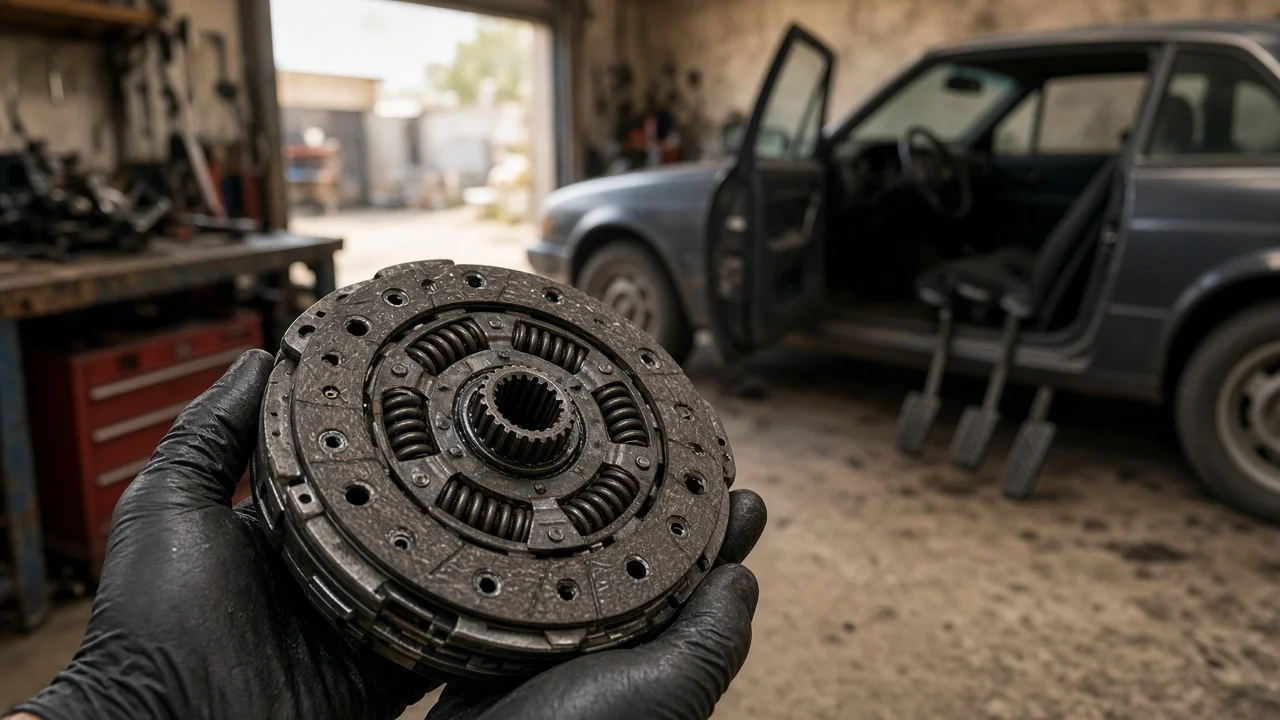
How long a clutch lasts in a manual transmission depends less on a universal mileage figure and more on how the vehicle is driven, where it operates, and how the clutch is loaded. Heavy stop-and-go traffic, repeated hill starts, aggressive launches, and riding the pedal can shorten service life considerably, while steady highway driving typically extends it. Because no confirmed subject evidence supplies an exact interval for every model, owners should use the overall condition, shift behavior, and service history as practical guides. Transmission type, fluid specification, diagnostic codes, and repair options all help interpret wear before a clutch stops engaging predictably.
Essential answer
There is no single guaranteed lifespan for a clutch in a manual transmission. Operation can range from tens of thousands of miles under punishing urban use to well beyond one hundred thousand miles with gentle highway driving and careful pedal technique. The direct answer is that a clutch lasts until friction material wear, pressure plate fatigue, hydraulic trouble, or release bearing deterioration changes engagement enough to require attention. Because the clutch is a wear component rather than a sealed-for-life part, its service window should always be qualified by vehicle load, driver habits, terrain, and maintenance.
Relevant evidence comes from shift behavior and service history rather than an odometer reading alone. A slipping clutch under load, a high engagement point, shudder on release, or difficulty selecting gears may indicate the friction disc is reaching its limit, but those observations do not prove a specific part has failed. Manufacturer-dependent diagnostic codes may also point toward hydraulic switch or position sensor concerns, so they require vehicle-specific confirmation. Transmission type, fluid specification, and fitment affect repair options, yet the practical message stays simple: evaluate the clutch as an assembly and interpret symptoms in context.