Hotshot Trucking Insurance: What Coverage You Need and What to Check Before You Buy
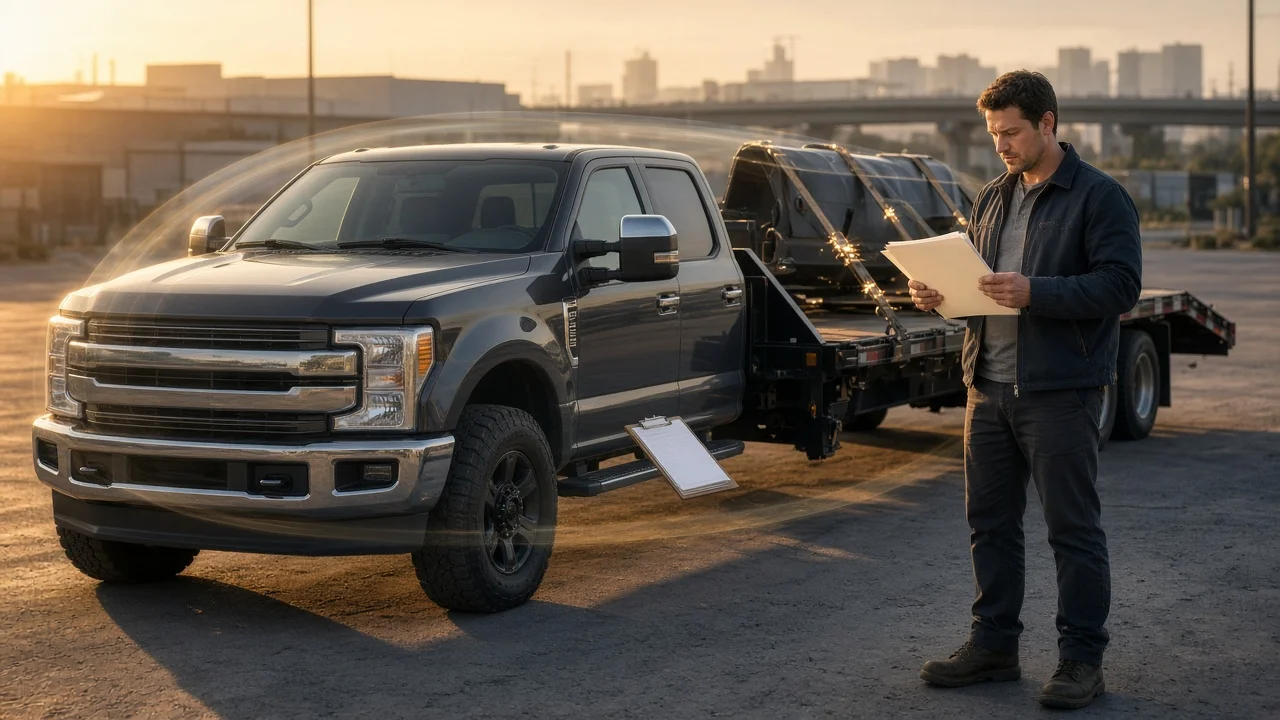
Hotshot trucking insurance is a commercial truck policy for drivers who haul loads for pay, usually with a heavy-duty pickup or medium-duty truck pulling a flatbed or gooseneck trailer. If you haul freight for hire, a personal auto policy will not cover you. You need commercial auto liability at minimum. Most operators also carry cargo and physical damage coverage. Which policies are required, and which are only recommended, depends mainly on two things: whether you run under your own operating authority or are leased to a motor carrier, and whether you cross state lines.
Why a personal auto policy does not work for hotshot hauling
Personal auto policies generally exclude vehicles used to carry goods for a fee. If you have a crash while hauling a paid load on a personal policy, the claim may be denied. That would leave you personally responsible for the damage, the injuries and your own equipment. Brokers and shippers also usually ask for proof of commercial coverage before they will tender a load, so the right policy is a practical requirement for getting work as well as a legal one.
How your operating setup changes the coverage you need
Operating setup | Who typically provides primary liability | What you usually still need to arrange; Own authority (your own MC/USDOT numbers) | You | Primary auto liability with required federal or state filings, plus cargo, physical damage and any coverages your brokers require; Leased on to a motor carrier | Usually the carrier, while you are under dispatch | Non-trucking liability (bobtail coverage) for when you are not under dispatch, physical damage on your own truck and trailer, and occupational accident coverage if you are not covered by workers' compensation; Intrastate only (one state) | You, if under your own authority | Coverage and filings set by that state's rules, which differ from state to state
Get it in writing which coverages a carrier provides before you sign a lease agreement. Some carriers charge back insurance costs to the driver. Some require you to buy specific coverages yourself. The lease terms determine where the gaps are.
Core coverages to understand
Primary auto liability: pays for injuries and property damage you cause to others. This is the coverage federal and state rules require for for-hire carriers. Motor truck cargo: covers the freight you are hauling if it is damaged or lost. Brokers and shippers often set their own minimum cargo limit, so check that limit against the loads you plan to haul. Physical damage (comprehensive and collision): covers your own truck and trailer. It is optional by law, but lenders and lessors usually require it if the equipment is financed. Non-trucking liability or bobtail: covers liability when a leased driver is using the truck outside of dispatch. These two terms are sometimes used loosely. Confirm what the policy actually covers. General liability: covers non-driving incidents, such as damage at a customer's site. Some brokers and facilities ask for it. Trailer interchange: covers a trailer owned by someone else while it is in your possession under an interchange agreement. Occupational accident or workers' compensation: covers your own injuries on the job. Which one applies depends on your employment status and your state. Uninsured or underinsured motorist: covers you when the at-fault driver has no insurance or too little.
Federal and state filing requirements
An interstate for-hire carrier operating under its own authority must show proof of insurance to the Federal Motor Carrier Safety Administration (FMCSA). The insurer submits this proof as a filing, commonly the BMC-91 or BMC-91X form. The policy also typically includes the MCS-90 endorsement, which guarantees payment to injured members of the public up to the federal minimum, even if the policy would otherwise exclude the claim. Required minimum liability limits depend on the cargo type and the vehicle's weight rating, and hazardous materials carry higher requirements. Confirm the current federal minimums for your exact operation with FMCSA or your agent. Many brokers and shippers require more than the legal minimum. Intrastate carriers follow their state's filing and limit rules instead.
What affects the premium
No pricing data was available for this guide, so no rate figures are given here. The factors below are the ones insurers generally weigh when they quote commercial truck coverage:
Time in business and how long you have held your operating authority. New authorities are commonly rated as higher risk. Your commercial driving experience and your motor vehicle record. Cargo type and its value. Operating radius: local, regional or long haul. The states you operate in and where the truck is garaged. The value, age and weight rating of the truck and trailer. The liability, cargo and deductible amounts you choose. Your safety record and inspection history in FMCSA data.
Checklist before you buy
Confirm whether you will run under your own authority or leased to a carrier, and which coverages each party provides. Check the liability and cargo limits your target brokers and shippers require. Do not rely on the legal minimum alone. Ask whether the insurer can make the federal or state filings your authority needs, and how quickly it can do so. Read the cargo exclusions. Some policies exclude certain commodities, unattended vehicles or specific theft situations. Make sure the policy lists the exact truck and trailer you use, with the correct values and VINs. Check whether the policy covers any driver, or only the drivers named on it. Compare quotes from agents who write commercial trucking policies, so that coverages and limits line up across quotes. Ask how claims are reported and handled, including after-hours reporting for incidents on the road. Ask whether paying in full or monthly changes the total cost, and what happens to your filings if a payment is missed.
Gaps to verify on your own
This guide does not include current premium ranges, specific insurer comparisons or the current dollar amounts of federal minimum liability limits, because no confirmed figures were available. Verify required limits with FMCSA or your state's motor carrier agency. Get written quotes for your truck, trailer, cargo and operating area before committing.