Horse Trailer Brake Controller
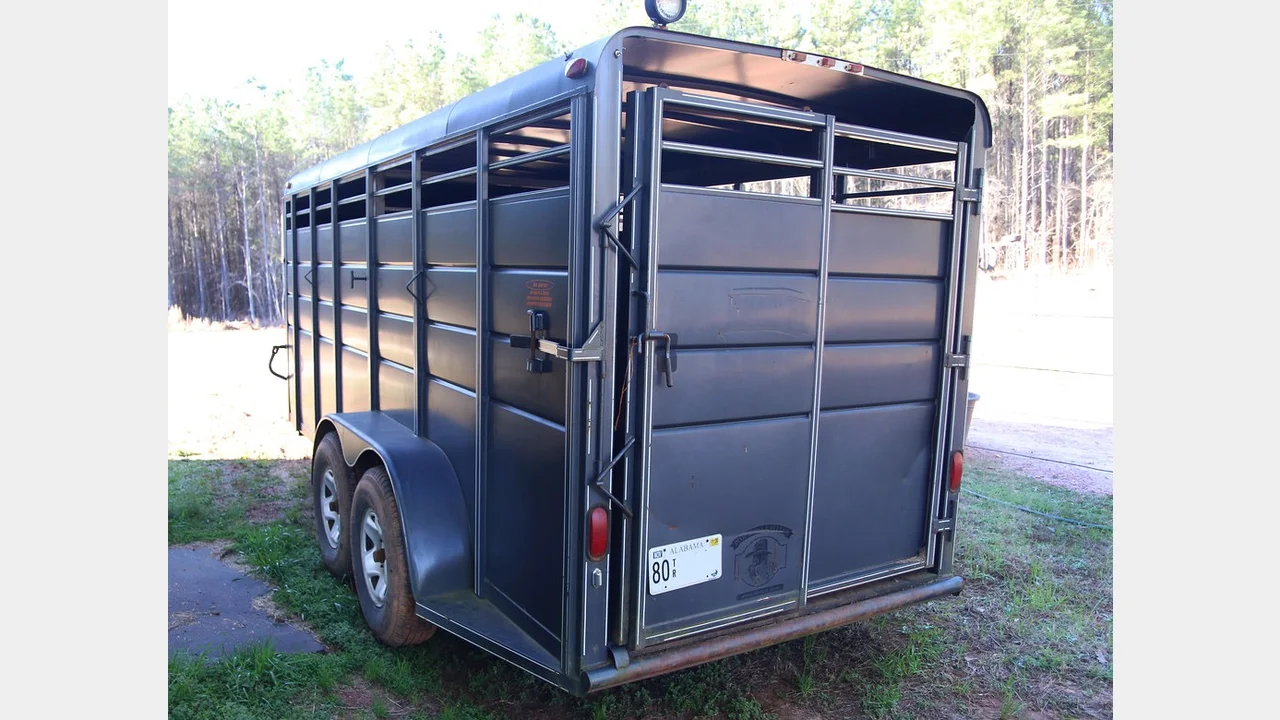
Choosing a horse trailer brake controller means matching the tow vehicle's electrical setup, the trailer's brake type, and the driver's need for predictable stopping power. A controller interprets brake pedal input and sends a proportional or time-based signal to the trailer brakes, preventing the trailer from pushing the truck during downhill grades or sudden stops. The right unit also considers mounting space, manual override capability, and compatibility with electric or electric-over-hydraulic systems. Understanding these factors helps buyers avoid weak braking, harsh lockup, or premature wear on brake pads and rotors.
The direct answer
For most horse trailers with electric drum brakes, a proportional controller is the best starting point because it uses an internal sensor to mirror the tow vehicle's deceleration and apply trailer braking force at a similar rate. This reduces jerking and keeps the trailer aligned behind the truck. The approach works well with common brake fluid and caliper systems on the tow vehicle, because the controller only manages the trailer side rather than changing the truck's hydraulic circuit.
If the trailer uses electric-over-hydraulic brakes, the controller still sends an electrical signal, but the trailer's own actuator converts it into hydraulic pressure. In that case, verify the controller is configured for electric-over-hydraulic output rather than a direct electric signal. Time-delay controllers are a budget alternative, but they apply braking at a preset rate after the brake pedal is pressed, which can feel less smooth with a loaded horse trailer and may increase friction material wear during stop-and-go driving.