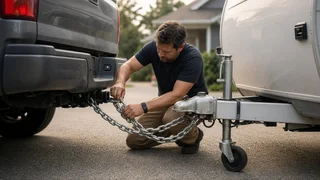
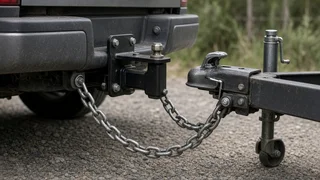
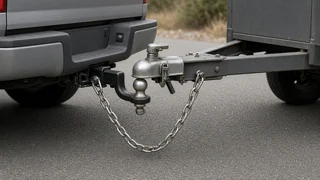
Horse Trailer Safety Chains
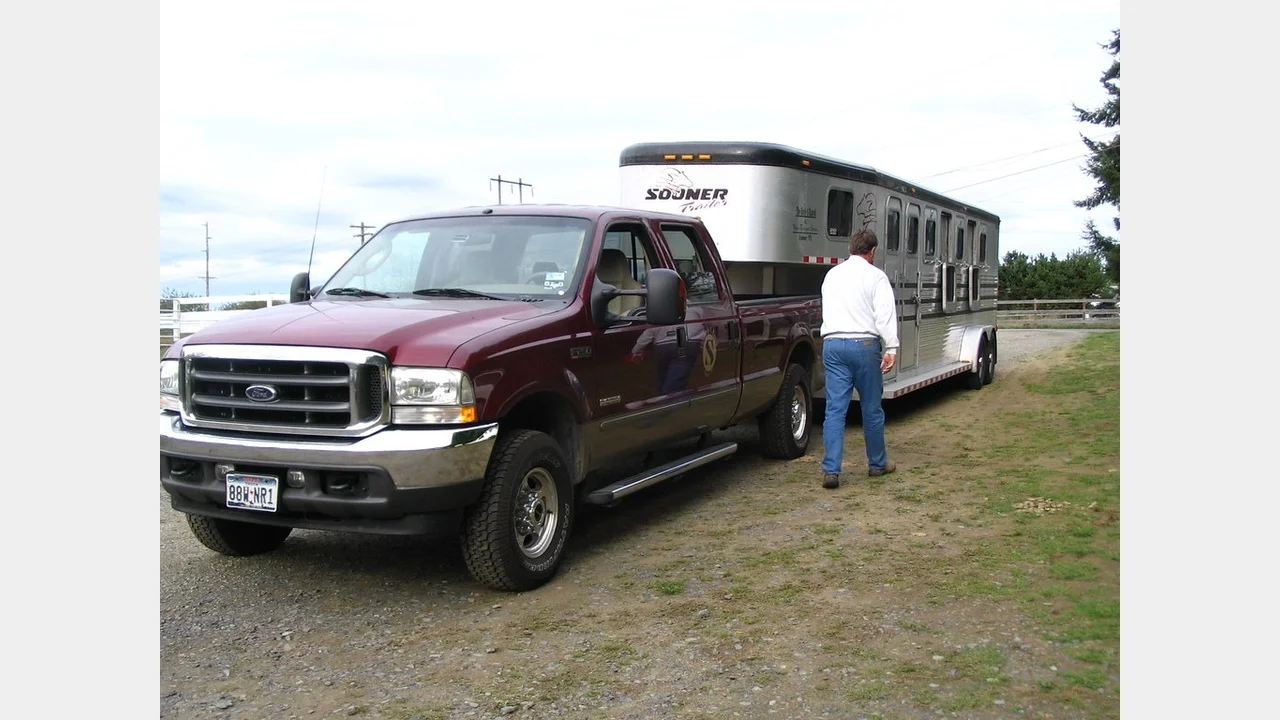
Choosing horse trailer safety chains means matching emergency retention hardware to the way the hitch, coupler, and tow vehicle interact under load. A chain that looks heavy enough may still pull loose if its rating, length, or attachment method does not fit the trailer tongue and receiver arrangement. Buyers should compare cross-chain configuration, hook style, and working load limits against the loaded trailer weight before purchase. This guide explains what to check so the connection remains secure if the primary coupler separates.
The direct answer
The immediate answer is that horse trailer safety chains must be rated for the fully loaded trailer weight and attached in a crossed pattern beneath the tongue. Crossing the chains creates a cradle that can catch the trailer tongue if the coupler comes off the ball, reducing the chance of the tongue digging into the road. The chain rating and every hook, clevis, or quick link in the assembly should meet or exceed the trailer's gross vehicle weight rating, not just the empty weight of the trailer.
The required configuration changes with the hitch and trailer design. Two separate chains with strong hooks are typical for a bumper-pull horse trailer, while some gooseneck setups use a different retention method. Chain length also matters because overly long chains can drag or allow the tongue to drop too far, while short chains may bind during tight turns. Confirm the working load limit marked on the chain and the capacity of the attachment points before relying on the setup.