Honda Trailer Brake Controller
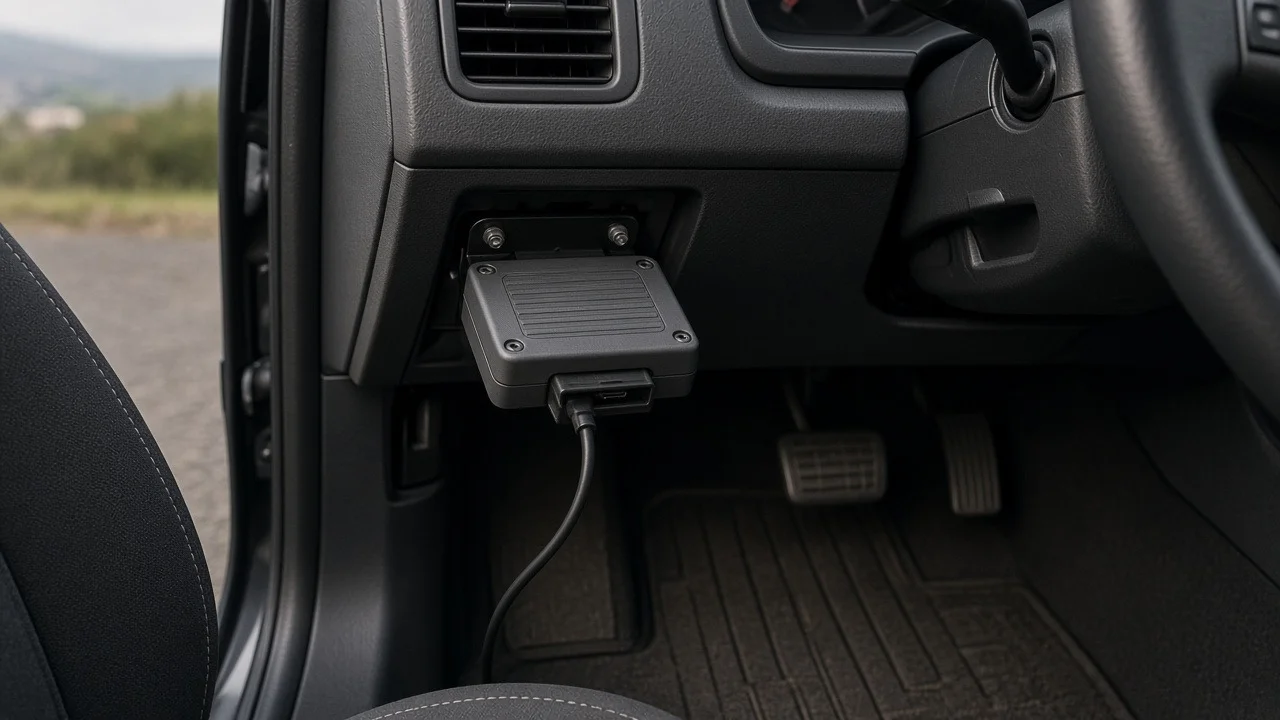
Choosing a Honda trailer brake controller means matching the towing setup to the trailer’s braking system and the vehicle’s electrical architecture. Many Honda trucks and SUVs are prewired for a controller, but the correct harness, mounting location, and brake type still require confirmation for the specific model year and trim. A controller that reads vehicle deceleration or brake pressure can improve trailer response, but only when the connection point and programming match the equipment already installed. The goal is to identify what your Honda can support before buying a plug-in or hardwired unit.
The direct answer
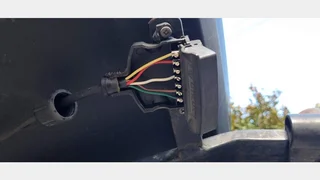
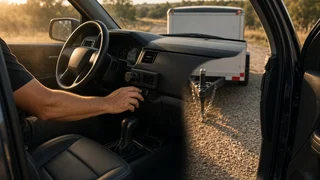
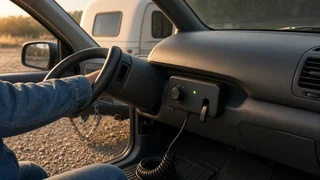
For most Honda tow vehicles, a proportional trailer brake controller is the preferred choice because it applies trailer braking in relation to how hard the tow vehicle is slowing. The practical condition is whether your Honda has a factory trailer brake connector under the dash, commonly a four-pin or six-pin port on recent Ridgeline, Pilot, and Passport models with towing packages. If that port exists, an adapter harness matching the controller brand removes most under-dash splicing. If it does not exist, a hardwired installation using a brake light signal, battery feed, ground, and trailer brake output is still possible, but the work is more involved.
When shopping, the immediate decision should be based on the number of axles and whether the trailer uses electric drum brakes or electric-over-hydraulic brakes. A time-delayed controller is less expensive and works with basic electric brakes, while a proportional unit with an inertial sensor or a brake pressure input responds more smoothly to changing stops. Honda vehicles without an integrated factory brake controller do not have a single automatic setting; gain and boost still need adjustment after installation. Confirming whether your model has a prewired port materially changes the parts list, so check that first rather than assuming every year is the same.