Honda Tire Valve Stem Caps

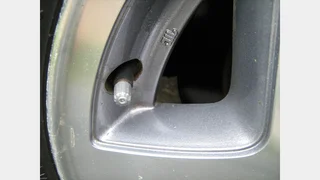
Choosing replacement Honda tire valve stem caps involves more than matching a thread. The caps form the last seal against moisture, grit, and slow pressure loss at each wheel. A loose, cracked, or missing cap can allow debris to collect around the Schrader valve and make future inflation-pressure checks unreliable. Because many Honda vehicles use similar stems, buyers should confirm the correct diameter and thread pitch, inspect the existing stem condition, and consider whether a metal or plastic cap better suits the climate and wheel environment. Small differences in material and seal design affect how easily the cap removes later and how well it protects the valve core from corrosion and road contaminants.
The direct answer
For most Honda cars, trucks, and SUVs, a standard threaded valve stem cap with the common automotive Schrader diameter fits the factory tire valve. The practical first step is to check the existing stem for thread damage, corrosion, or a missing O-ring before buying a full set. A cap that threads on smoothly and seats against the stem shoulder is usually correct. If the original cap is present, compare its internal thread depth and diameter with the replacement rather than relying on appearance alone. Vehicles with aftermarket metal stems or tire-pressure sensors may accept the same cap, but a damaged stem can make any new cap feel loose.
The main condition that changes the answer is the condition of the valve stem itself. Dirt packed into the end of the stem can cause a new cap to cross-thread or bind, especially with aluminum caps that have finer internal threads. Buyers should clean the exposed stem carefully and avoid forcing a cap that does not start squarely. If the stem is cracked, bent, or leaking around its base, a new cap will not fix the slow leak. In that case, the correct next step is stem service rather than simply replacing the cap. Choosing a cap with an internal sealing ring adds a useful barrier when the stem is otherwise healthy.