Honda Spare Tire Pressure by Model
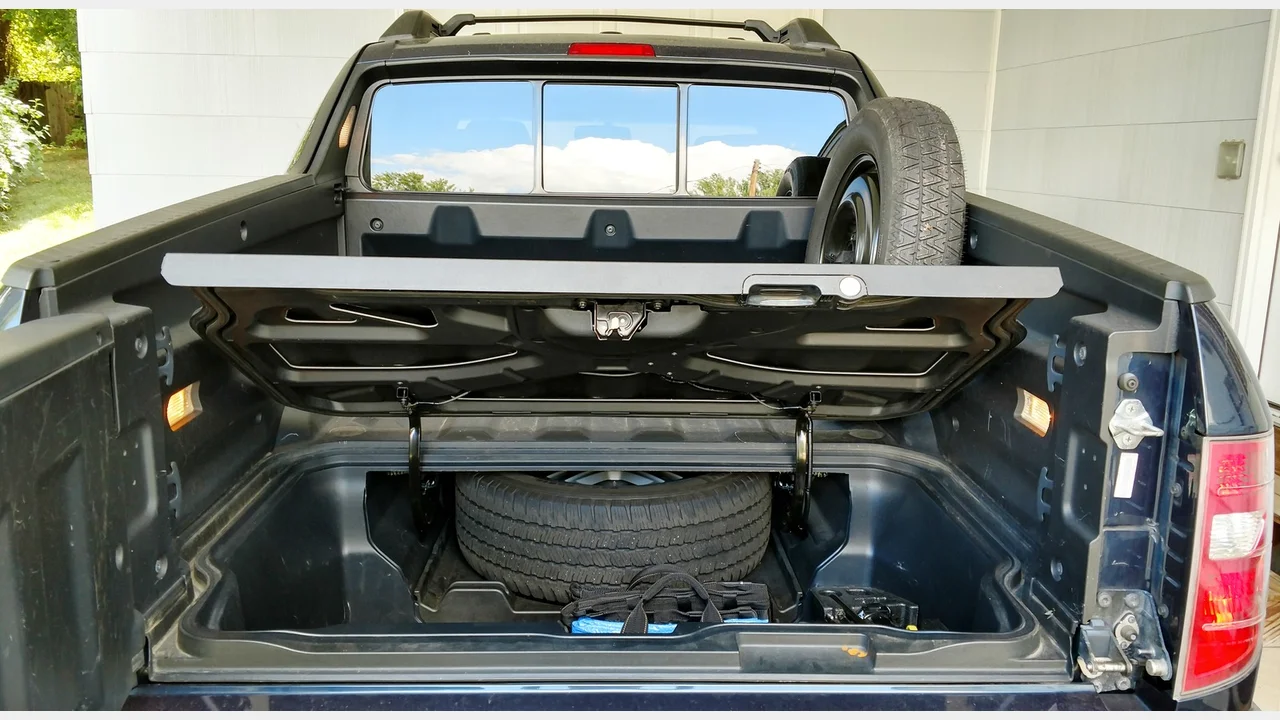
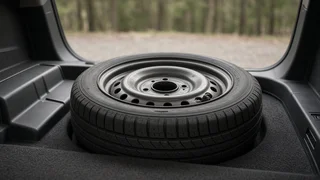
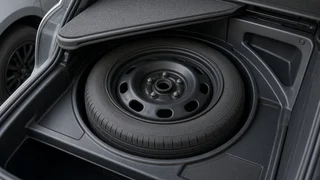
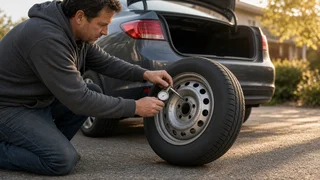
A temporary spare tire is often ignored until a roadside flat makes it the only thing between a driver and a long delay. Like full-size tires, a compact or donut spare must carry the correct inflation pressure to support the vehicle safely at reduced speed and distance. Owners researching Honda Accord, Civic, CR-V, or Odyssey spare tire pressure usually find that the number differs from the pressures on the door placard. The required setting depends on the temporary tire's physical size, construction, and maximum pressure marking rather than the vehicle's normal tire specification.
Essential answer
Honda models that carry a compact temporary spare generally require a higher cold inflation pressure than the regular road tires. Where a typical passenger tire may call for 32 to 35 psi, many temporary spares use a significantly higher value because their narrow casing and smaller internal air volume must support a similar portion of the vehicle's weight. The correct number is normally printed on the sidewall of the spare itself or on the tire information placard, and checking that label before inflating avoids relying on memory from another Honda model.
The answer is not universal across the Accord, Civic, CR-V, and Odyssey because temporary spare tire size, load index, and speed rating can vary by generation and equipment. A compact spare is intended only for limited-speed, short-distance operation, and its inflation pressure supports that constrained mission. Since the regular tire's inflation pressure is tuned for handling, tread wear, and ride comfort over long distances, applying that lower figure to a temporary spare can leave the spare underinflated and less stable. Always confirm the exact tire sidewall instruction for the specific vehicle and spare assembly.