Honda Prelude: Generations, Technology and How the Coupe Differs From Other Hondas
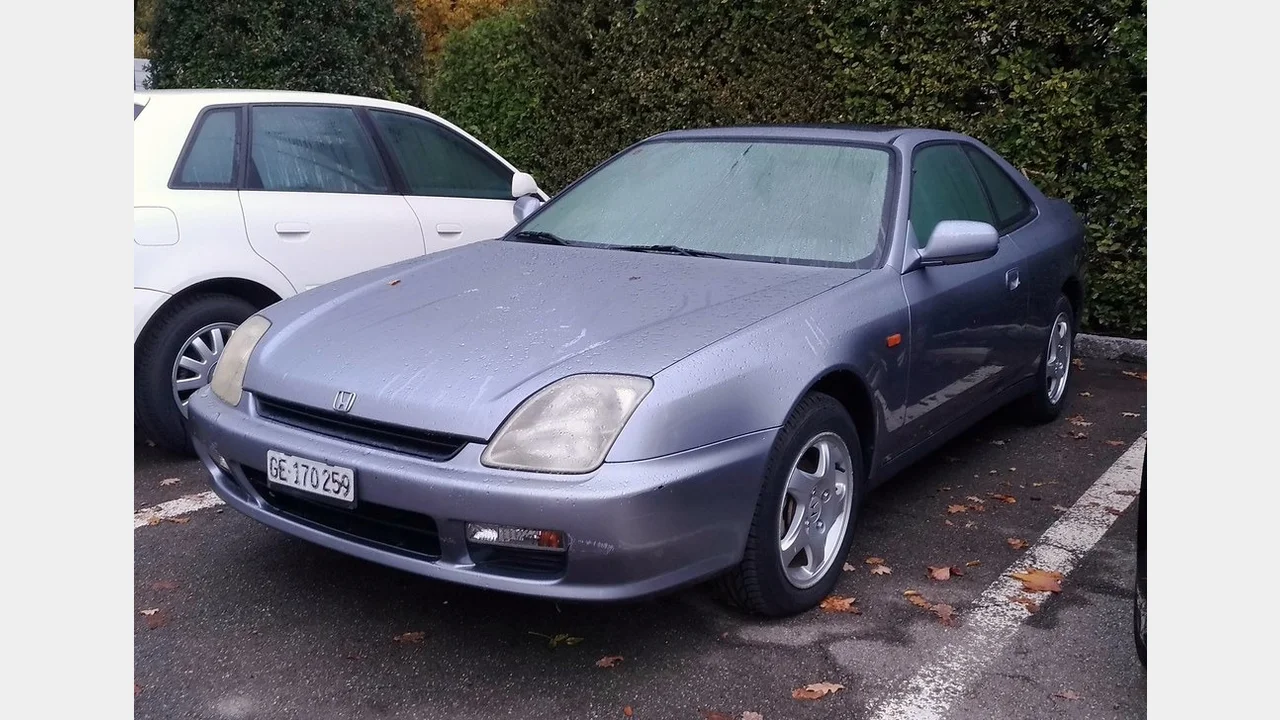
The Honda Prelude is a two-door, front-engine, front-wheel-drive sport coupe. Honda built it across five generations from the late 1970s until 2001, then revived the name for a hybrid coupe in the mid-2020s. If you are searching for the Prelude car, the answer depends on which era you mean. The original Prelude was a gasoline coupe, sold for many years as one of Honda's technology showcases. The revived Prelude is a modern hybrid that shares the name and the two-door coupe concept but little else. This guide explains what separates each model generation and how the Prelude differs from Honda's more familiar sedans and hatchbacks.
What the Honda Prelude Is
The Prelude sat above the Civic in Honda's lineup and was aimed at buyers who wanted a sportier, more stylish car than a family sedan. It was not built as a raw sports car. Its job was to deliver sharp handling, a low driving position and features Honda often introduced on the Prelude before using them on other models. Across its original run, the Prelude kept the same basic recipe: a coupe body style, a front-mounted four-cylinder engine driving the front wheels, and seating that is best treated as two adults plus occasional rear passengers.
Two facts matter most for researchers. First, US model years usually trail Japanese launch dates, so a generation introduced in Japan late in one year may be sold in the US as the following model year. Second, equipment, engines and trim level names varied between market specifications, so a feature found on a Japanese or European Prelude may not have been offered on the US version, and the reverse is also true.
Honda Prelude Generations at a Glance
The year ranges below are approximate production periods. US model years can differ by about a year. Engine and feature availability depended on trim and market, so treat the notes as general characteristics, not a complete specification sheet.
Generation | Approximate production period | Defining characteristics; First | Late 1970s to early 1980s | Compact coupe built on Civic-era engineering; established the Prelude as Honda's upscale small coupe; Second | Early to mid-1980s | Low, wedge-shaped body with pop-up headlights; carbureted engines at first, with fuel injection added on some versions; Third | Late 1980s to early 1990s | Refined, low-hood styling with pop-up headlights; optional mechanical four-wheel steering; Fourth | Early to mid-1990s | Rounder styling with fixed headlights and a wide, wraparound dashboard; VTEC engine versions; four-wheel steering still offered on certain trims; Fifth | Late 1990s to 2001 | More conservative, upright coupe styling; VTEC engines; Type SH trim with an active torque-distribution front differential; Revived model | Mid-2020s onward | Two-door hybrid coupe using Honda's two-motor hybrid system; a new design rather than a continuation of the original line
Technologies Associated With the Prelude
Much of the Prelude's reputation comes from the engineering Honda put into it. These are the technologies most often linked to the name.
Four-wheel steering (4WS)
Four-wheel steering lets the rear wheels steer slightly along with the fronts. At small steering inputs, such as lane changes at speed, the rear wheels turn in the same direction as the fronts to improve stability. At large inputs, such as parking maneuvers, they turn the opposite way to tighten the turning circle. The third-generation Prelude offered a mechanical version of this system, and the fourth generation offered it on specific trims. It was an option rather than standard equipment, so a given car may or may not have it.
VTEC
VTEC is Honda's variable valve timing and lift system. It switches between camshaft profiles depending on engine speed, giving the engine reasonable low-speed manners and stronger output at high rpm. VTEC-equipped engines appeared in the fourth and fifth generations, though not every trim had one. The high-revving character of these engines is a large part of why enthusiasts seek out later original Preludes.
Active Torque Transfer System (ATTS)
The fifth-generation Type SH used ATTS, a system that varies how much torque goes to each front wheel while cornering. Sending more drive to the outside wheel helps the car turn in and reduces the tendency of front-wheel-drive cars to push wide, a behavior known as understeer. It was an unusual feature for a front-wheel-drive car at the time. It also adds mechanical complexity, which matters when buying a used example.
Two-motor hybrid powertrain
The revived Prelude uses Honda's two-motor hybrid system, which pairs a gasoline engine with electric motors and relies heavily on electric drive. This powertrain configuration is very different from the earlier cars, which used conventional gasoline engines with manual or automatic transmissions. Honda markets the new coupe as sporty and has given it a simulated gear-shift mode, but it is a hybrid with no traditional manual gearbox. Buyers should confirm the current model year's equipment and specifications directly, because details can change between years and markets.
How the Prelude Differs From the Civic, Accord and Integra
Body style: The Prelude was a dedicated two-door coupe. The Civic and Accord were offered mainly as sedans and hatchbacks, with coupe versions in some years, but those were derived from family-car designs. Positioning: The Prelude was positioned as a premium sporty model, usually priced above comparable Civics and carrying more standard features. Technology focus: Features such as four-wheel steering and ATTS appeared on the Prelude rather than on mainstream models, which made it a showcase for Honda engineering. Practicality: The rear seat and cargo space are tighter than in a sedan or hatchback, so the Prelude suits buyers who rarely carry passengers. Acura Integra comparison: The Integra, sold in the US under the Acura brand, was another sporty compact Honda product. It was offered in hatchback and sedan forms and is often cross-shopped with the Prelude, but the two cars had different platforms, engines and characters.
Which Prelude Fits Your Goal?
Your choice depends on what you want from the car. The guidance below is an editorial summary based on each generation's general character, not test results.
Classic styling and simplicity: Second- and third-generation cars appeal to buyers who like pop-up headlights and 1980s design. They are older, and parts availability can be a challenge. High-revving engines: Fourth- and fifth-generation VTEC models are the usual choice for drivers who want the strongest performance from an original Prelude. Handling technology: Third- and fourth-generation 4WS cars and the fifth-generation Type SH attract buyers interested in Honda's chassis engineering. A new car with warranty coverage: The revived hybrid Prelude is the only option for buyers who want a current-production Honda coupe, modern safety equipment and hybrid efficiency.
What to Check Before Buying a Used Prelude
Even the newest original Prelude is now more than two decades old, so the condition of an individual car matters more than its generation or trim. Focus on these areas when evaluating one.
Rust: Inspect wheel arches, rocker panels, floor pans and the areas around the rear suspension, especially on cars from regions that salt their roads in winter. Modifications: Later Preludes were popular with tuners. Engine swaps, lowered suspension and aftermarket parts can affect reliability, insurance and resale value. Confirm the original powertrain if originality matters to you. Maintenance records: Look for evidence of timing belt service and regular fluid changes, as well as cooling system care. Special systems: On 4WS cars and Type SH models, have a mechanic familiar with these systems confirm they work properly, since repairs can be harder to source than on standard components. Transmission: Check manual gearboxes for smooth shifting and automatics for harsh or delayed engagement. Verify the variant: Use the VIN and documentation to confirm the model year, trim and market specification, because misidentified or imported cars are common in the enthusiast market.
The Bottom Line
The Honda Prelude is best understood as Honda's sporty two-door coupe: a car that, over five original generations, combined a front-wheel-drive layout with technology such as four-wheel steering, VTEC engines and active torque distribution. The revived Prelude keeps the coupe idea but moves to a hybrid powertrain. Choose a generation based on whether you value classic design, engine character, handling technology or modern ownership, and judge any used example on its condition and history rather than its badge.