Honda Pilot Spare Tire: Location, Type, and How to Access It
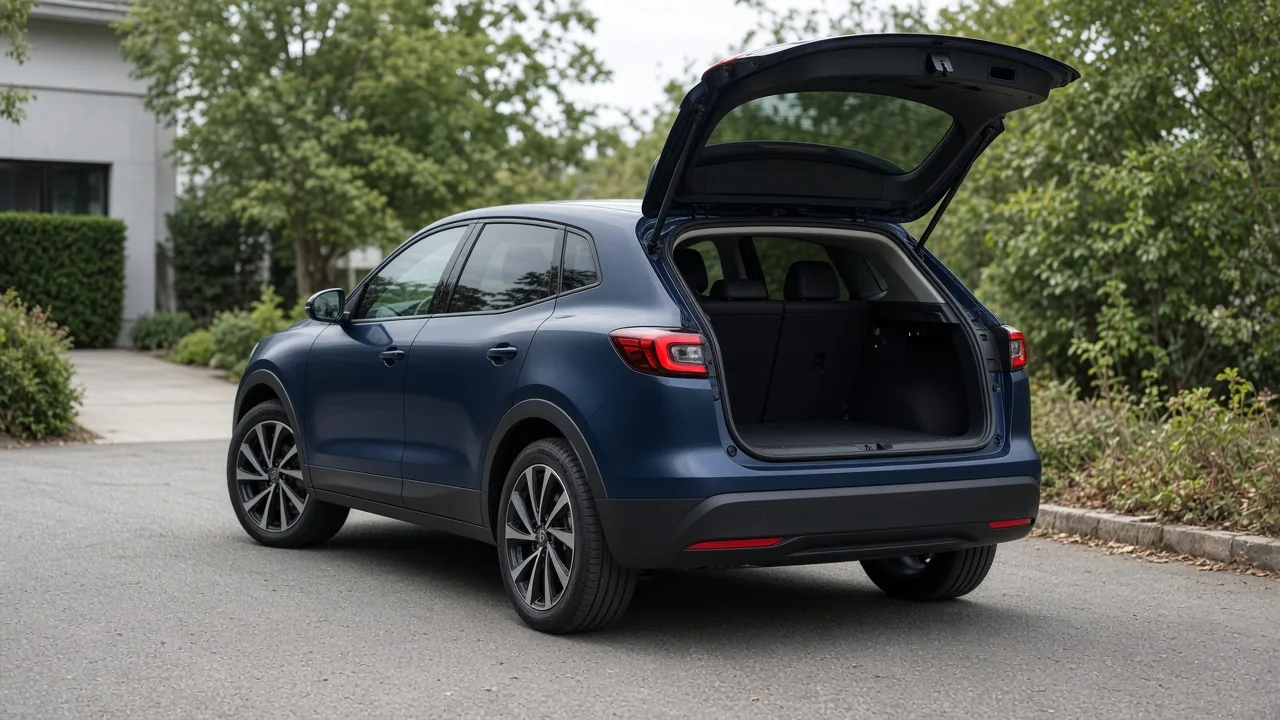
Finding a Honda Pilot spare tire starts with the right model year and equipment package, because storage and access are not identical across every Pilot. The spare tire on Honda Pilot models is often carried under the vehicle or, on some arrangements, associated with cargo-area hardware rather than sitting in plain view. Before you assume the factory spare is still there, confirm the layout in the owner's manual for that vehicle.
Locate the Spare Tire on Your Honda Pilot
Start by identifying the model year, trim, and any dealer or prior-owner equipment that could change storage for the spare tire Honda Pilot you are working on. Honda has used more than one arrangement over the Pilot's production run, so a description that fits one generation can mislead you on another. The applicable owner's manual is the document that matches the spare tire location to that vehicle's underbody tire carrier, cargo floor storage, or related hardware. Check the index for spare, jack, and tools rather than relying on a generic walkthrough.
Look for the spare itself separately from the control that lowers or unlocks it. On many Pilots the tire hangs from an underbody tire carrier, while hoist access may sit in the cargo area or under a floor panel the manual identifies. Opening cargo floor storage does not always reveal the tire. On a used Honda Pilot, the spare may have been removed, relocated, or never replaced after a puncture. If the carrier is empty or the hardware looks non-factory, treat the original layout as unconfirmed until you inspect the vehicle.
Identify the Spare Tire Type and Its Limits
Do not assume every spare tire on Honda Pilot vehicles is the same type, size, or construction. Some Pilots carry a temporary spare tire; others may be equipped differently depending on year, package, and what a previous owner installed. Identification starts on the spare's sidewall, where size, load, and temporary-use language typically appear, then with the owner's manual pages that describe the original equipment. Matching those two sources is more reliable than guessing from the road wheels or from another Pilot parked nearby.
Inflation, speed, and distance limits belong to that spare and that vehicle, not to a generic compact-spare rule. Spare tire pressure is printed on the spare, on a vehicle placard, or in the owner's manual, and those sources can differ if the spare is not original. A temporary spare tire is usually intended only until a road tire can be repaired or replaced, and its markings may restrict speed or travel. If the sidewall is unreadable or the spare does not match the documentation, treat it as unverified before you rely on it.
Find the Access Point and Required Tools
Once the year and equipment are confirmed, find the spare-release access point and the tool storage the owner's manual shows for that Pilot. The hoist for an underbody tire carrier is often operated from inside the cargo area, but the exact panel, plug, or floor cover varies. Wheel tools may be stored with the jack under cargo floor storage, in a side compartment, or in another location the manual diagrams. Treat those diagrams as vehicle-specific. A layout from a different year can send you to the wrong panel and make a straightforward retrieval look like a missing spare.
Use only the factory tools specified for that release, typically an extension, wrench, or hoist driver stored with the jack kit. Do not assume every Honda Pilot spare tire uses the same socket, rotation, or tool length. Missing wheel tools, cargo blocking the access panel, rusted fittings, or a stripped hoist nut can stop retrieval even when the spare is present. If the designated tool is gone or the fitting will not accept it without force, roadside assistance is the safer option. Forcing a damaged hoist can drop the carrier or leave the spare stuck.
Access and Retrieve the Spare Safely
Retrieval starts with the vehicle, not the hoist. Park on firm, level ground away from moving traffic, apply the parking brake, and secure the Pilot as the owner's manual directs for a roadside stop. Do not mix spare retrieval with jacking or wheel replacement; those are later, separate jobs. Keep the work at the access point the manual describes. Do not crawl beneath the vehicle to reach an underbody tire carrier, and do not stand in a travel lane to operate the spare tire hoist.
Follow the retrieval sequence in that year's manual: expose the access point, engage the designated tool, lower the carrier with the spare tire hoist, and release the retaining hardware only after the tire is accessible from a safe standing position. Stop if the mechanism jams, the cable feels damaged, resistance is excessive, or the tire will not come down where you can reach it without going under the vehicle. A seized spare tire hoist is a professional job. Roadside assistance or a tire service can retrieve the spare without forcing hardware that may fail.
Check the Retrieved Spare and Secure the Carrier
Once the spare is free of the carrier, inspect it before you consider installation. Look for cuts, bulges, dry cracking, embedded objects, and a rim that is bent or heavily corroded. Then check inflation against the vehicle-specific spare tire pressure in the owner's manual or on the spare's markings. Appearance alone cannot prove the tire is usable; a cracked or underinflated temporary spare can look intact and still be unsafe. Confirm the spare is the correct type and size for that Honda Pilot, especially if a previous owner may have substituted a different wheel.
After inspection, secure the empty underbody tire carrier and return wheel tools to their stored positions as the manual requires, so nothing hangs loose or rattles free in transit. A removed road wheel often will not fit the spare's carrier and may need a different approved storage arrangement inside the cargo area. If the spare is damaged, incorrectly sized, or of uncertain origin, do not install it. Call roadside assistance or a tire professional to confirm suitability or to move the vehicle without relying on an unverified Honda Pilot spare tire.