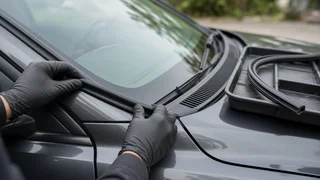
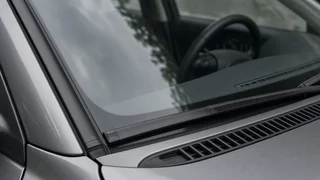
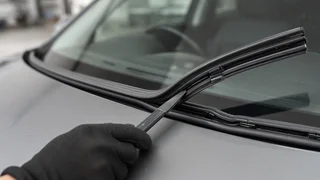
Honda Odyssey 2011–2017 Windshield Molding
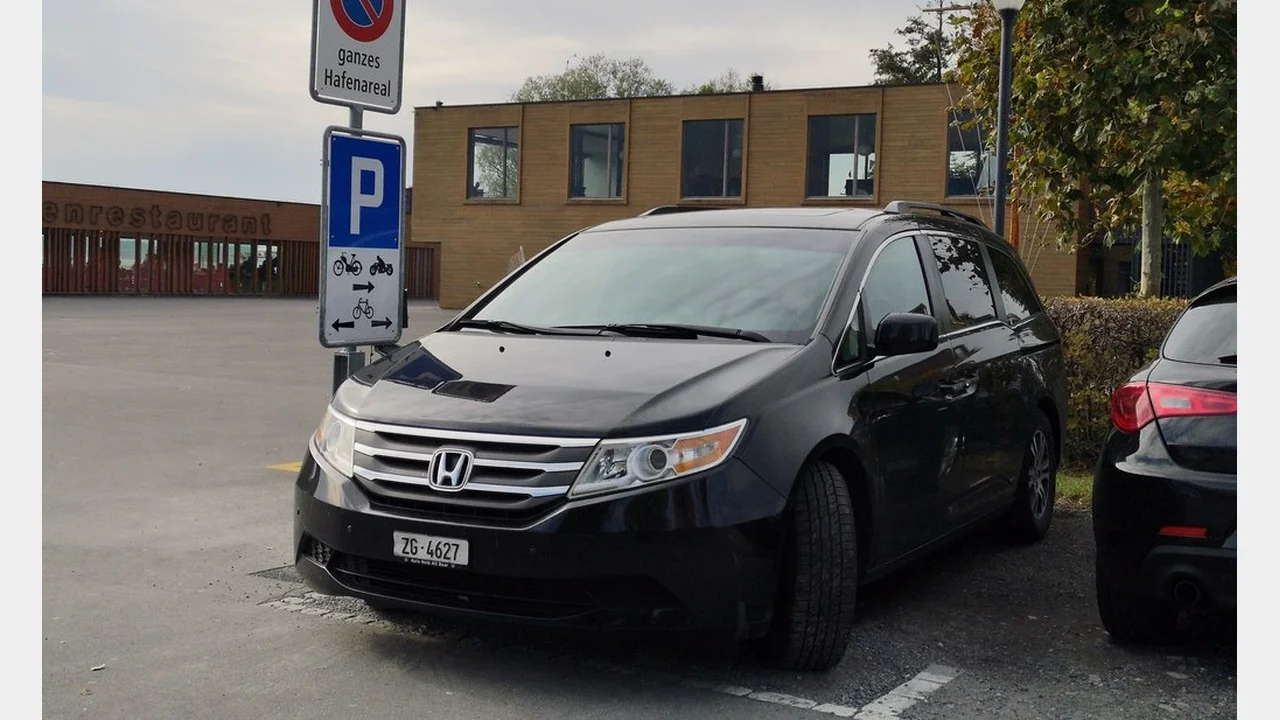
Windshield molding on a 2011–2017 Honda Odyssey is more than a cosmetic trim piece. It bridges the glass edge, body pinch weld, and cowl area while managing water runoff and wind noise. When this flexible strip loosens, shrinks, or lifts, owners often notice a new whistle at highway speed, dampness near the A-pillar, or an uneven gap along the glass. The 2011 and 2012 model years share this concern, so understanding how the molding works helps distinguish normal aging from a seal condition that invites water ingress.
Essential answer
The windshield molding on these minivans is primarily a trim and water-management component, not the main adhesive bond holding the glass in place. Urethane adhesive secures the windshield structurally, while the outer molding covers that bond line and guides water toward the roof channels or cowl drains. A cracked, lifted, or missing section therefore may not cause an immediate leak, but it can expose the adhesive to UV light and allow debris to collect, gradually weakening the surrounding seal condition and changing wiper contact near the glass edge.
Owners researching a 2011 or 2012 Odyssey windshield molding often describe a loose flap at the top corners or a shrunken end near the cowl. This is a known aging pattern because the plastic or rubber strip expands and contracts with temperature cycles and sun exposure. The relevant question is not simply whether the molding looks worn, but whether the underlying glass fitment remains clean and dry. A visual gap is one clue; a damp headliner, wet carpet, or corrosion along the pinch weld is a stronger sign that water ingress has already begun.