Honda Mobilio service schedule
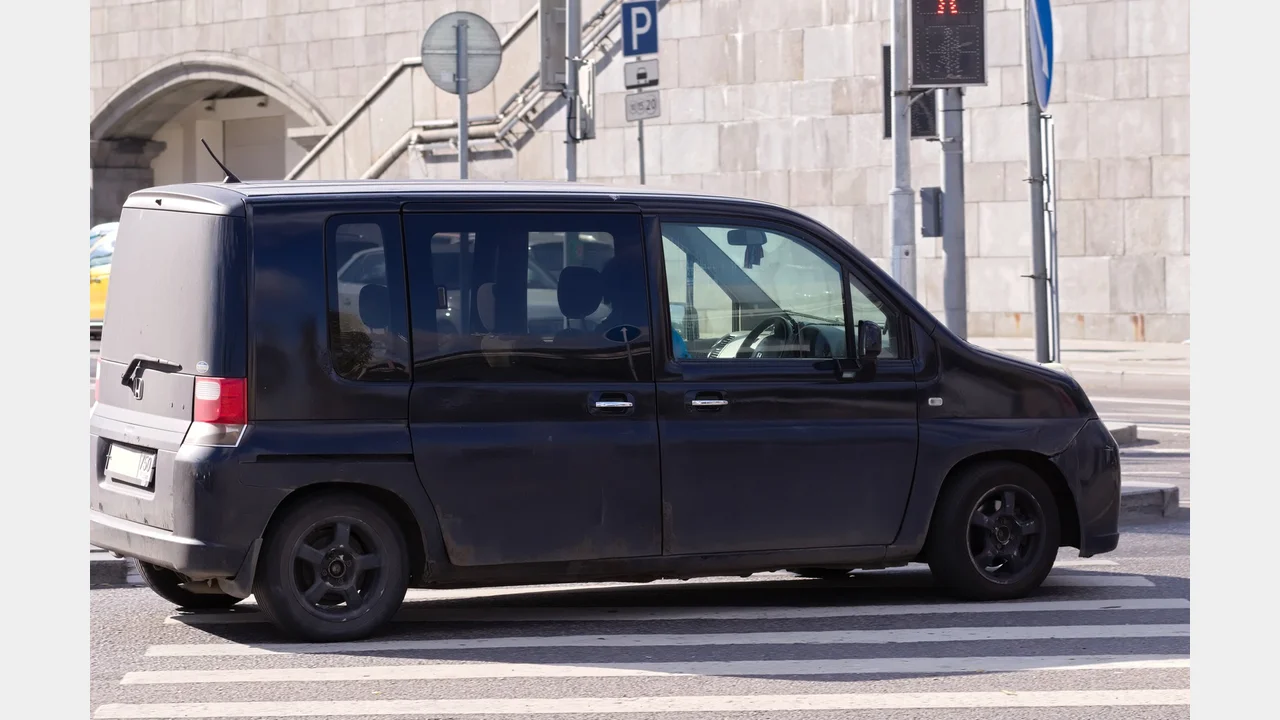
A Honda Mobilio service schedule maps routine work to the vehicle’s time and mileage so owners can separate normal upkeep from avoidable wear. Because no single interval fits every driver, the schedule is best understood as a baseline that changes with climate, traffic, load, and trip length. This overview explains how scheduled service items are organized, why operating conditions influence them, and how a maintenance record supports the next service decision.
Essential answer
The essential answer is that a Honda Mobilio service schedule is a structured plan of inspections, fluid changes, and wear-item replacements tied to recurring time and mileage intervals. It is not a fixed promise of component life. Instead, the schedule helps an owner anticipate what should be checked at a given point and what may be deferred only after confirming actual condition.
Because the Mobilio has been sold in different markets with different equipment, a single universal service interval should not be assumed. The useful approach is to treat the manufacturer schedule for the specific model year and engine as the starting point, then adjust for how the vehicle is actually driven. A maintenance record makes those adjustments easier to track.
Time and mileage intervals usually work together, with service due when either limit arrives first. A vehicle driven short distances may reach a time-based interval before accumulating many miles, while sustained highway use can reach the mileage threshold sooner. This dual structure matters because oil, coolant, rubber, and seals age even when the vehicle sits.
Scheduled service items generally include engine oil and filter replacement, air and cabin filter inspection, brake wear checks, tire rotation, and fluid condition reviews. Some items repeat often, while others appear only at longer intervals. Tracking each item separately prevents a low-mileage car from missing time-sensitive work or a high-mileage car from assuming everything is covered by one recent visit.
Operating conditions have a direct effect on how aggressively a Mobilio should be serviced. Repeated short trips, dusty roads, mountainous driving, heavy passenger loads, and prolonged idling can degrade oil and stress brakes, cooling, and transmission fluid faster than light highway use. In those cases, owners often follow a more frequent schedule than the basic interval suggests.
A maintenance record helps here because it captures not only the date and odometer reading but also the type of driving between visits. If a year includes unusually harsh conditions, the next service can prioritize extra inspections without guessing. The record turns the schedule from a generic checklist into a vehicle-specific history.
The manufacturer schedule identifies what the automaker expects for the vehicle under defined normal use, but it is not a diagnostic tool. A worn brake pad, a leaking seal, or contaminated fluid can appear before or after a listed interval. When an item is inspected, its measured condition should decide whether action is needed, not the calendar alone.
A fault code or warning light can also change the priority of scheduled service. Such evidence suggests an area that needs diagnosis, but it does not by itself prove which part has failed. Manufacturer-dependent codes require confirmation for the specific vehicle, so the schedule should remain the preventive baseline while symptoms are investigated separately.
Interpreting a schedule requires reading both interval labels and the notes that qualify them. Items marked for inspection may result in replacement, adjustment, or no action depending on wear. Fluid changes may be mileage-based, time-based, or both. Understanding this distinction prevents unnecessary work and helps an owner ask the right questions before approval.
For the Mobilio, the schedule should be paired with the owner’s actual service environment. A vehicle used for frequent cold starts or loaded family travel will not age the same way as one driven steadily in mild conditions. The practical next step is to record current mileage, recent driving pattern, and the last completed items before selecting the coming interval.
A practical ownership approach is to keep a simple maintenance record with date, mileage, work performed, parts or fluids used, and notes on unusual conditions. This record is more useful than relying on memory or a dealer sticker because it shows whether past service was early, on time, or late. It also reveals patterns such as rapid tire wear or frequent fluid top-offs.
When preparing for the next service, compare the record with the manufacturer schedule and the vehicle’s recent use. If the Mobilio has been driven harder than normal, earlier attention to oil, brakes, and cooling may be justified. If it has been lightly used, time-based items still deserve review because seals and fluids do not improve with age.