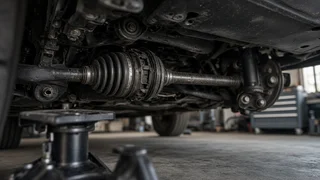
Honda Fit Inner CV Joint
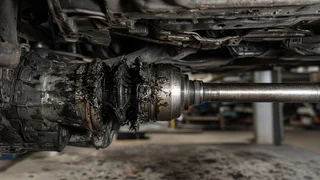
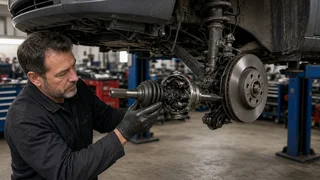
A worn Honda Fit inner CV joint can turn a smooth commute into a noisy, vibrating mystery. The inner joint sits where the axle shaft meets the transaxle, handling drivetrain loading while the suspension moves. When it develops play or loses grease through a damaged protective boot, acceleration and cruising behavior change. This guide explains what to inspect and how to interpret common symptoms, so your next parts or repair decision is grounded in how the joint actually behaves rather than guesswork.
The direct answer
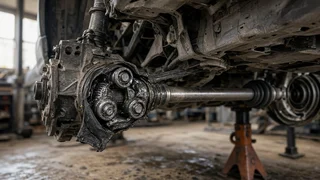
A Honda Fit inner CV joint is the inboard constant-velocity joint on the axle shaft, connecting it to the transaxle. Its job is to transmit engine torque smoothly while allowing the suspension and steering to move through normal joint articulation. The inner joint typically uses a tripod or plunging design that accommodates changes in axle length as the control arms travel, which is different from the outer joint’s main steering angle duty.
When a shopper searches for this part, the immediate issue is usually a suspect joint rather than a routine upgrade. The practical answer is that you are likely replacing a complete remanufactured or new axle shaft, not servicing the inner joint alone, because the retaining clip, spline fit, and boot condition are all evaluated as a unit. Before buying, confirm whether the noise, vibration, or grease leak actually traces to the inboard joint and not to an outer joint, intermediate shaft, or worn engine mount that mimics the same feel.