Honda CR-V Spare Tire: Location, Hybrid Models and Covers
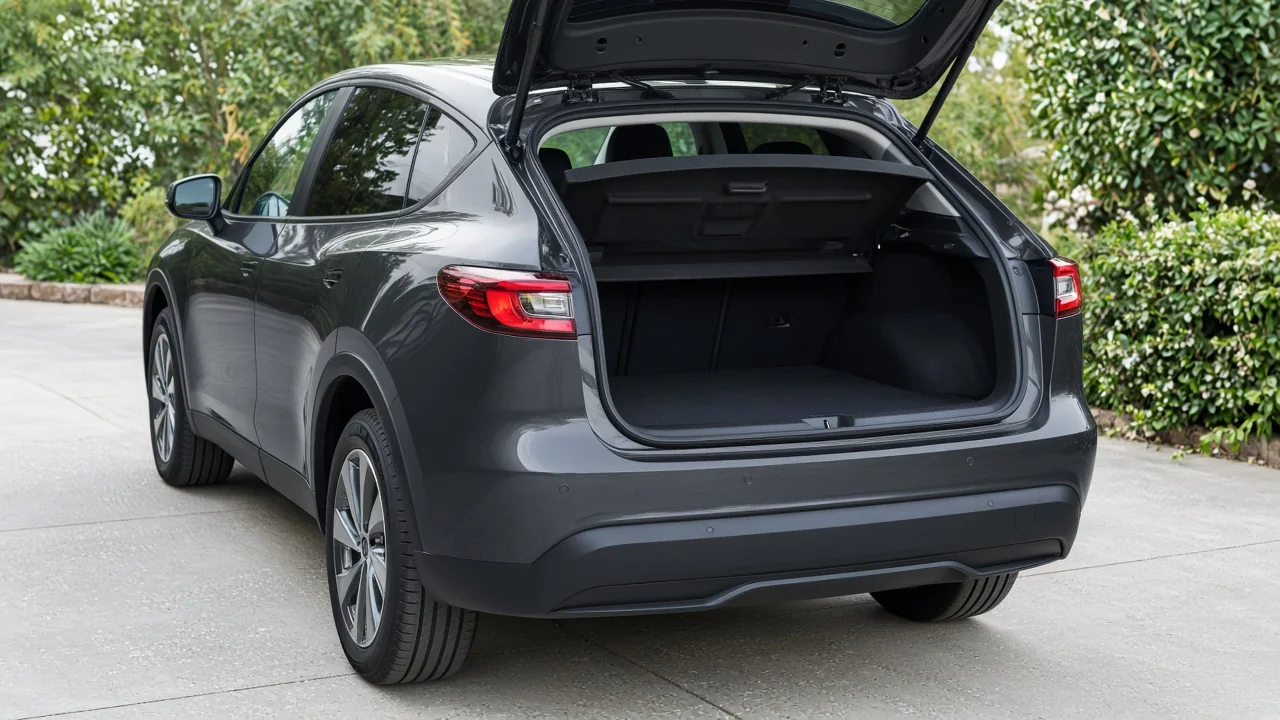
Whether a Honda CR-V spare tire is on board depends on the year, powertrain, and market, not on the badge alone. Some CR-Vs carry a temporary spare; others ship with a tire repair kit instead. Hybrid models and a 2026 Honda CR-V need the same verification. Confirm what you have, where it is stored, and how a cover fits only if the vehicle uses a rear-mounted spare.
Confirm Whether Your CR-V Has a Spare Tire
A spare tire for a Honda CR-V is original equipment on some configurations and omitted on others. Whether a Honda CR-V has a spare tire, including a Honda CRV with a gasoline engine, depends on more than the model name. You need the model year, powertrain, and the market in which the vehicle was sold. Those details establish the factory spare tire equipment. Treat any claim that a particular CR-V includes a spare as unconfirmed until those facts are verified for that vehicle.
Start with the owner's manual and a physical inspection of the designated storage area. A used Honda CRV spare tire setup may have been removed, replaced with a tire repair kit, or never installed. Distinguish a spare wheel and tire from an inflator and tire sealant. A compact temporary spare looks like a wheel and tire, often with a different size marking than the road tires. An inflator bottle and compressor are a kit, not a spare. Do not conclude the vehicle has a spare until you have seen the actual equipment.
Locate the Spare and Check What Is Present
For the CR-V you own, the owner's manual maps spare tire and tool storage to that body style. On many vehicles the designated well sits beneath the cargo floor in the luggage area. Older equipped CR-Vs used a rear-mounted spare on the tailgate or rear body, which is a different arrangement and should not be assumed for every generation. Use the diagrams to find the cargo well, any underfloor tray, or the external carrier. Confirm the location by sight before treating any wheel you find as the factory spare.
Identify the tire, wheel, spare tire restraint, and associated tools without attempting a roadside change. Note the tire size marking on the sidewall, the wheel type, and whether a bolt, nut, or strap holds the assembly in place. Missing restraints, a loose carrier, visible cuts, dry rot, or a missing jack leave the CRV spare tire unreliable. If equipment is absent or damaged, seek a replacement assessment before depending on it. An empty well or an inflator-only tray means the vehicle currently has no spare wheel.
Verify Spare Tire Equipment on CR-V Hybrid Models
A Honda CR-V Hybrid spare tire is not guaranteed by the Hybrid badge. Confirm the exact hybrid model year and market before stating whether a spare or a tire repair kit was supplied. Some hybrid CR-Vs are delivered with an inflator and sealant rather than a wheel. Open the cargo area and compare what you find with the hybrid supplement in the owner's manual. Until that configuration is documented for your vehicle, do not assume a temporary spare sits under the cargo floor.
If an inflator and tire sealant kit is present, read its instructions and check the sealant expiration marking on the canister. Those kits have limits defined by their instructions and cannot repair every puncture, sidewall cut, or damaged wheel. Carrying an additional spare is a separate decision. Confirm wheel fitment, a suitable storage location, and a secure spare tire restraint first. Do not assume space beneath the cargo floor is available on a hybrid, because that well may be occupied or omitted on the delivered vehicle.
Check the Spare Tire Provision on a 2026 CR-V
A 2026 Honda CRV spare tire claim must rest on verified documentation for that vehicle's powertrain, trim, and market. Earlier CR-V equipment does not carry forward automatically. Read the applicable owner's manual, inspect the cargo floor and any labeled kit compartment, and request a VIN-specific equipment inquiry from a Honda dealer or the original window sticker if it is still available. Until those sources agree, treat the 2026 spare provision as unconfirmed rather than inferred from a prior model year.
Before buying accessories, establish three facts: whether a spare is included, its designated location, and what tools or repair equipment are supplied. A spare tire kit listing for a 2026 Honda CR-V may describe an inflator and sealant, a compact temporary spare, or aftermarket add-on hardware. Match the listing to the delivered vehicle rather than to a brochure photo. If the 2026 CR-V has no factory well, plan storage and restraint before ordering a wheel. If a kit is already on board, learn its limits from the included instructions.
Assess a Replacement Spare or Complete Spare Tire Kit
A Honda CRV spare tire kit listing should identify the wheel and tire, any tools, and how the assembly is stored and restrained. Not every kit contains the same items. Some include only a compact tire and wheel; others add a jack, lug wrench, or inflator. Ask a qualified supplier to confirm vehicle-specific wheel fitment, brake clearance, tire specifications, and any drivetrain restrictions for that CR-V. A matching bolt pattern alone does not establish compatibility. Do not buy an unverified donor wheel or a part number that has not been checked against your vehicle.
Confirm storage and restraint before purchase, especially when the vehicle lacks a designated spare compartment. A loose wheel in the cargo area is not a safe spare tire restraint. After you have a matching spare, read the spare's labeling and the vehicle manual for inflation pressure and operating restrictions; many temporary spares are speed- and distance-limited. If you cannot complete a safe roadside response, use roadside assistance rather than improvising. An added spare for a Honda CR-V is useful only if it fits, stays secured, and is kept serviceable.
Choose a Cover for an Older Rear-Mounted CR-V Spare
Spare tire covers for a Honda CR-V apply only to vehicles that actually carry an external rear-mounted spare. Confirm that arrangement before shopping. A spare tire cover for a Honda CR-V will not fit a vehicle whose spare lives under the cargo floor or that has no spare at all. Use the tire size marking, the actual mounted diameter and width, and the cover maker's sizing guidance together. Measure the installed tire rather than guessing from a catalog size, because a cover that is too tight or too loose will not stay put.
Check fit on the vehicle. A flexible cover should close fully around the tire without leaving the tread exposed, and its straps or zipper should stay clear of the existing mounting hardware. A rigid cover needs even clearance around the carrier and a latch that stays closed in motion. Inspect the cover for tears, loose closures, trapped moisture, and rubbing marks; those findings describe the cover, not the tire. Still inspect the tire itself and verify its pressure according to the vehicle's instructions, even when a CR-V spare tire cover remains in place.