Honda Civic 8th Gen (2006–2011) Windshield Molding Replacement

A weathered or lifted windshield molding on a 2006–2011 Honda Civic is more than a cosmetic annoyance. The thin trim channels water away from the glass edges and hides the bonded joint where the urethane adhesive secures the windshield. When original material shrinks, cracks, or separates, owners often notice wind noise, visible gaps, or dampness near the A-pillars. Replacement decisions require knowing whether the failing piece is the outer cosmetic trim, the side drip molding, or a body-side rubber seal. Matching the part to the correct model year and body style prevents leaks and poor fitment.
Essential answer
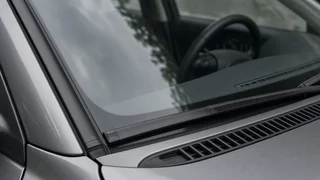
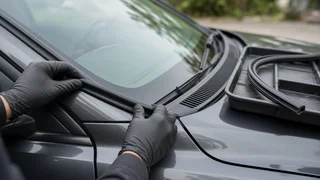
Windshield molding on this Civic generation is primarily a perimeter finish piece rather than the waterproof barrier itself. The glass is bonded to the pinch weld with urethane adhesive, and the outer trim covers that seam while directing water toward the roof channels and cowl drains. When the molding lifts, the windshield can remain structurally retained, but the exposed adhesive and trapped moisture can accelerate corrosion and eventually compromise seal condition. A replacement should therefore be treated as a protective repair, not only an appearance upgrade.
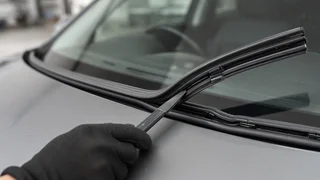
Several terms describe related parts, including windshield drip molding, side molding, and rubber trim. The upper molding often runs across the roof line, while side pieces cover the left and right glass edges and influence wiper contact and water routing. Before buying a replacement for an eighth-generation Civic, checking the year and whether the car is a sedan, coupe, or Si variant matters because windshield contours and clip placements can differ. Confirming the original part style helps prevent ordering a molding that looks similar but does not seat properly.