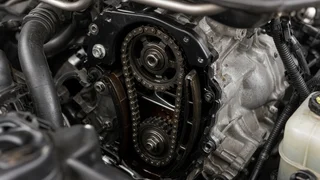
Honda 2.2 Diesel Timing Chain

Diesel timing chains seem simple until a rattle appears at idle or, worse, after a cold start. The question is usually whether the Honda 2.2 diesel engine timing chain is a durable asset or a scheduled worry. This engine family relies on a chain rather than a belt, which changes oil-change priorities, noise diagnosis, and long-term ownership math. Understanding how the chain, guides, tensioner, and fuel system interact helps an owner separate normal clatter from wear that deserves immediate attention.
Essential answer
The Honda 2.2 diesel timing chain synchronizes the crankshaft and camshafts so the valves open at the right moments while the high-pressure injector delivers fuel on schedule. Because the chain is inside the engine and lubricated by engine oil, it generally has no fixed replacement interval in the same sense as an external rubber belt. However, that does not mean it is immune to wear. The realistic scope is that the chain, its guides, and especially the tensioner should be inspected when unusual diesel clatter, starting delays, or timing-related diagnostic faults appear.
Fuel pressure, fuel trim, and injector behavior can sometimes mimic or mask chain wear during diagnosis. A weak high-pressure fuel pump or a partly blocked fuel filter may produce hesitation, while a stretched chain may produce a slightly late valve event. The distinction matters because replacing a chain without confirming the fault can be expensive and unnecessary. A manufacturer-dependent diagnostic code or a leak check result is evidence to interpret, not proof that the chain has failed. Vehicle-specific confirmation is essential before opening the timing cover, since oil condition, tensioner design, and engine configuration all affect how this chain ages.