Hitch-Mounted Cargo Carrier with Towing Option
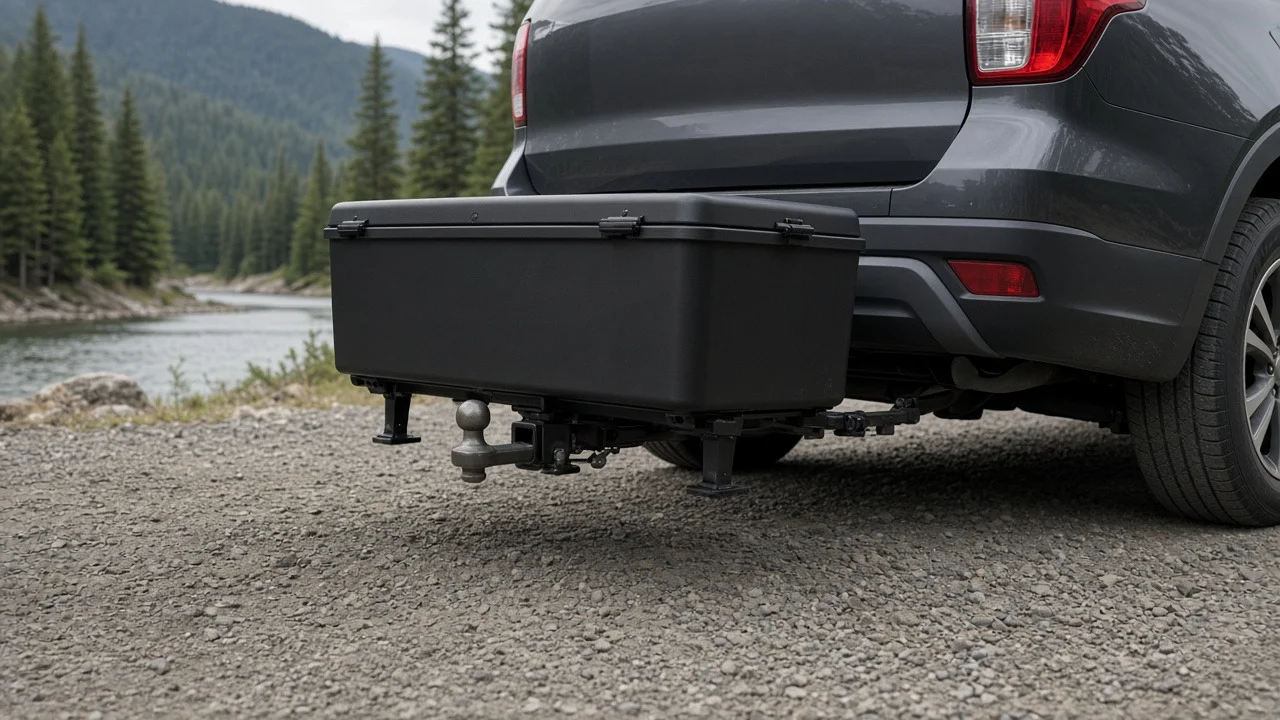
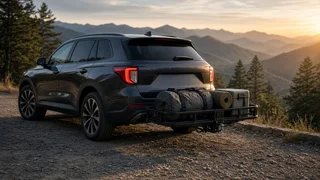
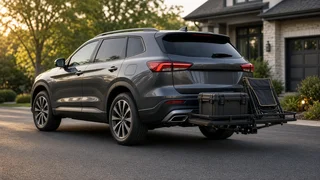
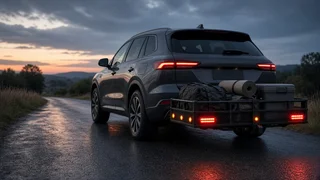
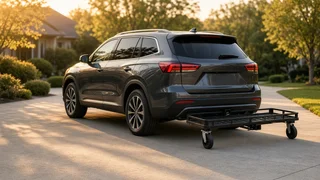
A hitch mounted cargo carrier with towing option solves a practical conflict: you need extra storage outside the vehicle, but you do not want to permanently surrender the receiver. Some designs place a load platform above a secondary receiver opening, while others use a folding or pass-through structure that preserves access for a tow ball or light trailer coupler. The trade-off is always physical. Added leverage, altered tongue geometry, and limited departure clearance change how the loaded vehicle steers, brakes, and rides. Choosing correctly means reading the platform rating, receiver class, and towing requirement as one connected load case rather than as a rack purchase and a hitch purchase made separately.
The direct answer
You can carry cargo and retain a limited towing option when the carrier is engineered with a pass-through receiver or a built-in secondary hitch opening. This arrangement puts the basket or tray bracket on the main shank while leaving an accessible receiver tube behind it. The carrier must still be matched to the vehicle receiver size, typically two inches for meaningful loads, and the total tongue mass must remain within the lower of the vehicle hitch rating, the carrier rating, and the trailer tongue rating.
The realistic limit is geometry and balance. A cargo platform extended behind the receiver pushes loaded weight farther from the axle, increasing rear squat and lightening steering feel. A small utility trailer or bike rack may clear the platform, but the deeper drop or rise required by the accessory can concentrate stress at the ball mount. Check clearance from the cargo tray to the coupler latch, safety chain loops, and trailer jack before driving. If those clearances cannot be preserved, treat the setup as cargo-only and load the platform conservatively.