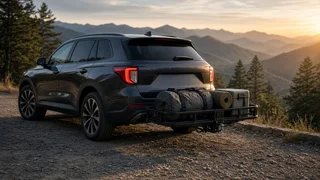
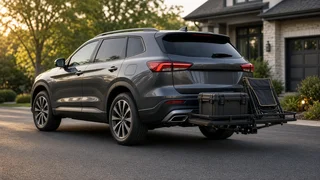
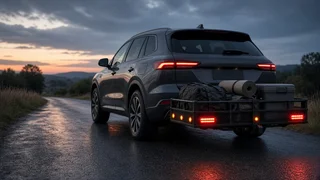
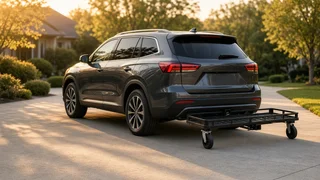
Hitch mounted cargo carrier for snowblower
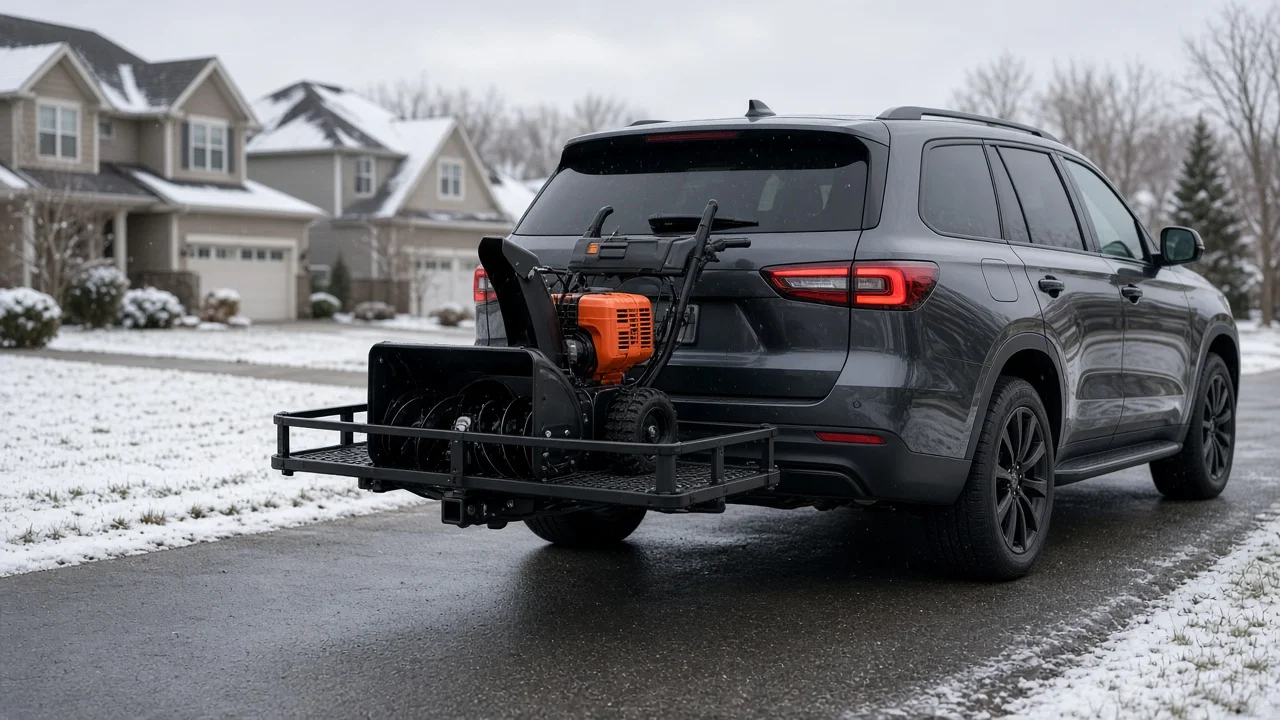
Moving a snowblower with a vehicle creates loading, clearance, and weight-distribution challenges that a hitch mounted cargo carrier can simplify. A receiver-mounted platform keeps the machine accessible without lifting it into a truck bed, but the setup only works well when the carrier, hitch class, and snowblower dimensions are matched. Buyers researching a hitch mounted cargo carrier for snowblower should first confirm tongue-weight capacity, platform size, wheel fit, ramp angle, and tie-down placement. A poorly matched carrier can stress the receiver, drag on driveways, or make the snowblower difficult to secure during transport.
The direct answer
A hitch mounted cargo carrier can haul many walk-behind and compact snowblowers when the carrier’s weight rating exceeds the machine’s fueled weight and the receiver is rated for the combined carrier plus cargo load. The practical answer is yes, provided the snowblower fits the platform, the loading ramp allows controlled movement, and the vehicle’s hitch tongue capacity handles the concentrated load. Material choices such as steel or aluminum affect carrier weight, corrosion resistance, and how much payload remains before the vehicle or receiver becomes the limiting factor.
The single biggest condition is tongue weight, not just the carrier’s advertised cargo rating. Because a snowblower sits behind the receiver, its mass creates leverage that can exceed the vehicle’s stated hitch limit even when the machine weighs less than the platform capacity. Confirm the snowblower’s wet weight, track or wheel width, and tire spacing against the carrier deck. A high-lift carrier may also reduce departure clearance, so measure the rise from the receiver opening to the platform surface before committing to a particular model.