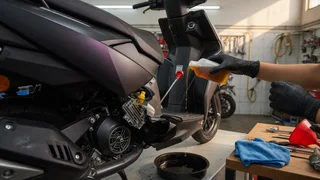
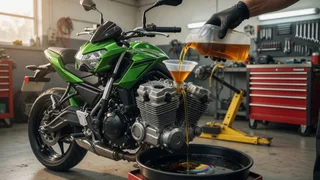
Hero Xpulse 200 Engine Oil Capacity: What to Know Before an Oil Change
The Short Answer
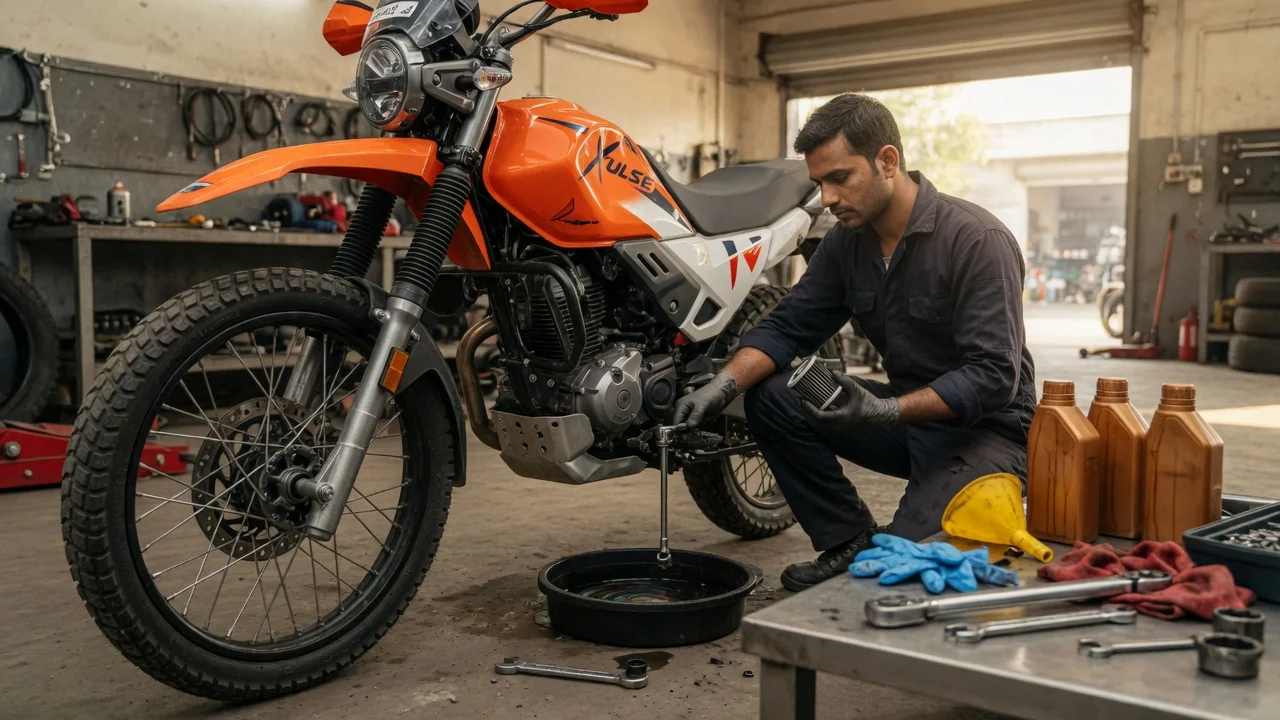
The Xpulse 200 does not have one engine oil figure that fits every bike and every job. The amount depends on which version you own and what kind of service you are doing. The exact litre figures for each variant were not available in the material used for this guide. For that reason, this article does not give a number. Check the owner's manual for your specific bike, or ask an authorised Hero service centre, before you buy oil or refill the engine.
Why the Variant Matters
Hero has sold the Xpulse 200 in several versions, and their engines differ. The first model used a two-valve engine with a carburettor. A fuel-injected version (FI) followed. Later, Hero introduced the Xpulse 200 4V, which has a four-valve cylinder head and oil cooling. Oil cooling means the engine oil also carries heat to a small radiator-like cooler. A road-focused sibling, the Xpulse 200T, has also been sold. Changes like an oil cooler and its lines can change how much oil the system holds. A figure for one version should not be assumed to apply to another. Confirm the model and model year on your registration papers or in your owner's manual before relying on any capacity figure.
Drain-and-Refill Versus Total Capacity
Manufacturers often list more than one oil quantity, and mixing them up is a common cause of overfilling or underfilling. Each figure applies to a different job:
Routine oil change: the amount needed after draining the old oil, with the oil filter or strainer left in place. Oil change with filter replacement: usually a little more, because the new filter and its housing must also fill with oil. Total or dry capacity: the amount for a fully rebuilt or completely dry engine. This is larger than a routine refill and does not apply to normal servicing.
Some oil always stays in the engine after draining. Pouring in the total capacity during a routine change can therefore overfill the engine. Use the figure in the manual that matches the work being done.
Confirming the Correct Level
The listed capacity is a starting point. The final check is the bike's own level indicator. Follow the procedure in your owner's manual, which normally involves these steps:
Hold the bike upright on level ground, not leaning on the side stand. After refilling, run the engine briefly, switch it off, and wait for the oil to settle. Read the level on the dipstick or sight window, and make sure it sits between the minimum and maximum marks. Add small amounts if needed, and recheck rather than topping up all at once.
Oil Grade and Specification
Capacity is only half of the answer. The manual also specifies an oil grade, written as a viscosity rating such as 10W-30, and a performance standard. The JASO MA standard matters for motorcycles with a wet clutch, where the clutch runs in the engine oil. The recommended grade and standard for each Xpulse 200 variant were not available in the material used for this guide. Take both from the owner's manual or from Hero service guidance, not from general advice.
What This Guide Could Not Confirm
The source material for this guide did not include the following details, so they are not stated here:
Exact oil capacities in litres for the two-valve carburettor, FI, 4V and 200T versions. Separate figures for an oil change with and without filter replacement, and for total capacity. The recommended oil grade and specification for each variant. Any changes to these figures across model years or markets.
Before servicing the bike, get these details from your owner's manual or an authorised Hero dealer.